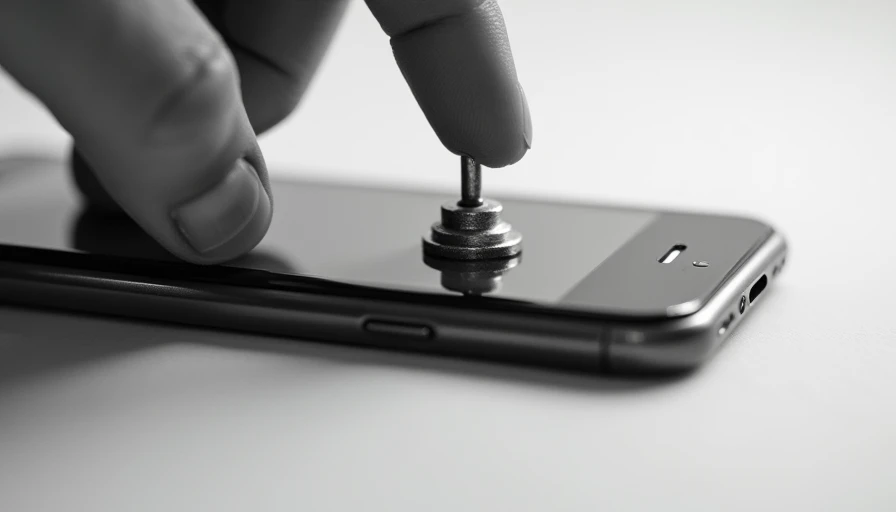
You know the motion. Thumb and index finger pinch the top of the screen, pull down, hold for a fraction of a second, then release. A spinner appears. Content reloads. Sometimes there’s something new. Often there isn’t.
It feels almost automatic now—so automatic that most people no longer register it as a deliberate action. It’s just what the hand does when the feed looks quiet.
I helped design versions of this gesture for years. We called it “pull-to-refresh.” Internally we knew it was something closer to a slot machine.
The Mechanics
A slot machine works because the reward is variable and the cost of playing is almost zero. You pull the lever (or press the button). Most of the time nothing meaningful happens. Occasionally something does. The brain learns to keep pulling because the next one might be the good one.
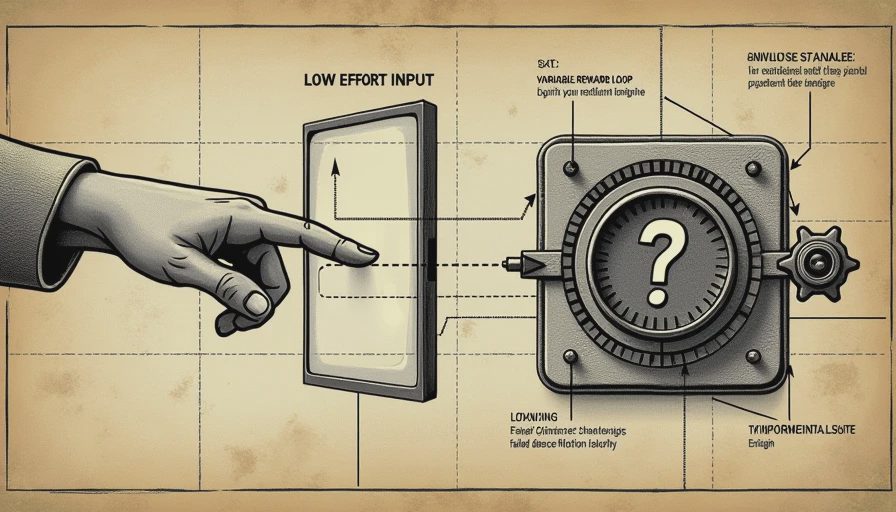
Pull-to-refresh is the same structure translated into a phone interface.
The action is cheap: a single, low-effort gesture.
The outcome is uncertain: new content may or may not appear.
The feedback is immediate: the spinner, the bounce, the slight haptic if the phone has it.
The environment is endless: there is always more potential content waiting above the fold.
Designers didn’t invent variable reward. We just made it frictionless and put it in people’s pockets. The gesture is elegant. The psychology underneath it is older and more reliable than any particular app.
Why the Thumb Keeps Moving
Once the association is formed, the gesture becomes self-reinforcing. A quiet feed creates a mild itch. The itch is resolved by pulling. Sometimes the pull delivers a notification, a new post, a message, a like count that moved. Sometimes it delivers nothing. Both outcomes strengthen the habit. Success rewards the action. Failure simply resets the desire to try again.
I used to sit in research sessions and watch people do this without realizing they were doing it. They would open an app, glance at the screen, pull, wait, scroll a little, pull again. When I asked why they refreshed, most of them couldn’t give a clear reason. “Just checking,” was the usual answer. Checking for what, exactly, was rarely defined.
That vagueness is part of the design. A specific goal can be satisfied. An open-ended “maybe something new” cannot.
What I Noticed When I Stopped
A few years ago I turned off pull-to-refresh on the apps that still allowed it, and removed the ones that didn’t. The first week felt slightly broken. My thumb kept reaching for a motion that was no longer there. The absence was more noticeable than the presence had ever been.
After the initial adjustment, two things became clearer.
First, the amount of genuinely new and useful information I was missing was small. Most of what arrived through compulsive refreshing was noise I would have seen later anyway, or content that didn’t need to be seen at all.
Second, the quiet moments in the feed stopped feeling like a problem that required fixing. A static screen became acceptable. Sometimes it even became preferable.
I still use apps that update. I still check them. I just no longer outsource the decision of when to check to a gesture that was engineered to keep me checking.
The Small Experiment
If you want to see the mechanism at work, try this for a few days:
Notice every time your hand moves to pull down on a feed.
Pause before the gesture completes.
Ask whether you are looking for something specific, or simply responding to the absence of novelty.
You don’t have to stop. You only have to observe the impulse. Most people are surprised by how often the pull happens without a clear purpose attached to it.
The slot machine doesn’t need you to believe in it. It only needs you to keep pulling the lever.
You need less than you think. Sometimes the least useful motion is the one that feels most automatic.