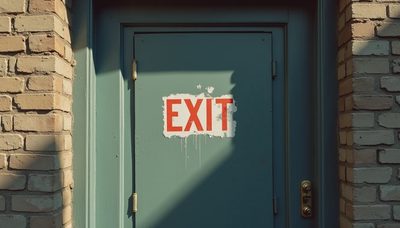
A product designer confesses the three dark patterns he personally shipped—fake scarcity, a six‑step cancellation maze, and a deceptive free‑trial default. He explains how he justified them, what made him stop, and why you're not "bad with tech" when you can't find the cancel button.
The defaults on your phone aren't neutral—they're business decisions optimized for engagement, not your well-being. A former product designer reveals why notifications, auto-play, and email pings are set against you—and how to change them.
A San Francisco product designer runs a simple 30-day experiment on his own digital life: keep only what still earns its place after the novelty fades. No detox sermons, no aesthetic minimalism—just a practical reset that asks one quiet question over and over: Do you actually need this?
Pull-to-refresh looks like a simple gesture. Underneath it is a classic variable-reward loop—the same structure that keeps people pulling a slot-machine lever. A former product designer explains why your thumb keeps moving, and what happens when you finally notice the impulse.
Infinite scroll was never an accident. It was a deliberate decision to remove natural stopping points so people would keep going. A former product designer explains how the feature works, why teams chose it, and what changes when you finally notice the missing end.
Every notification is a request for your attention—yet most arrive under terms you never consciously accepted. A former product designer explains the one-sided contract, the metrics that favor the sender, and how to quietly rewrite the terms.