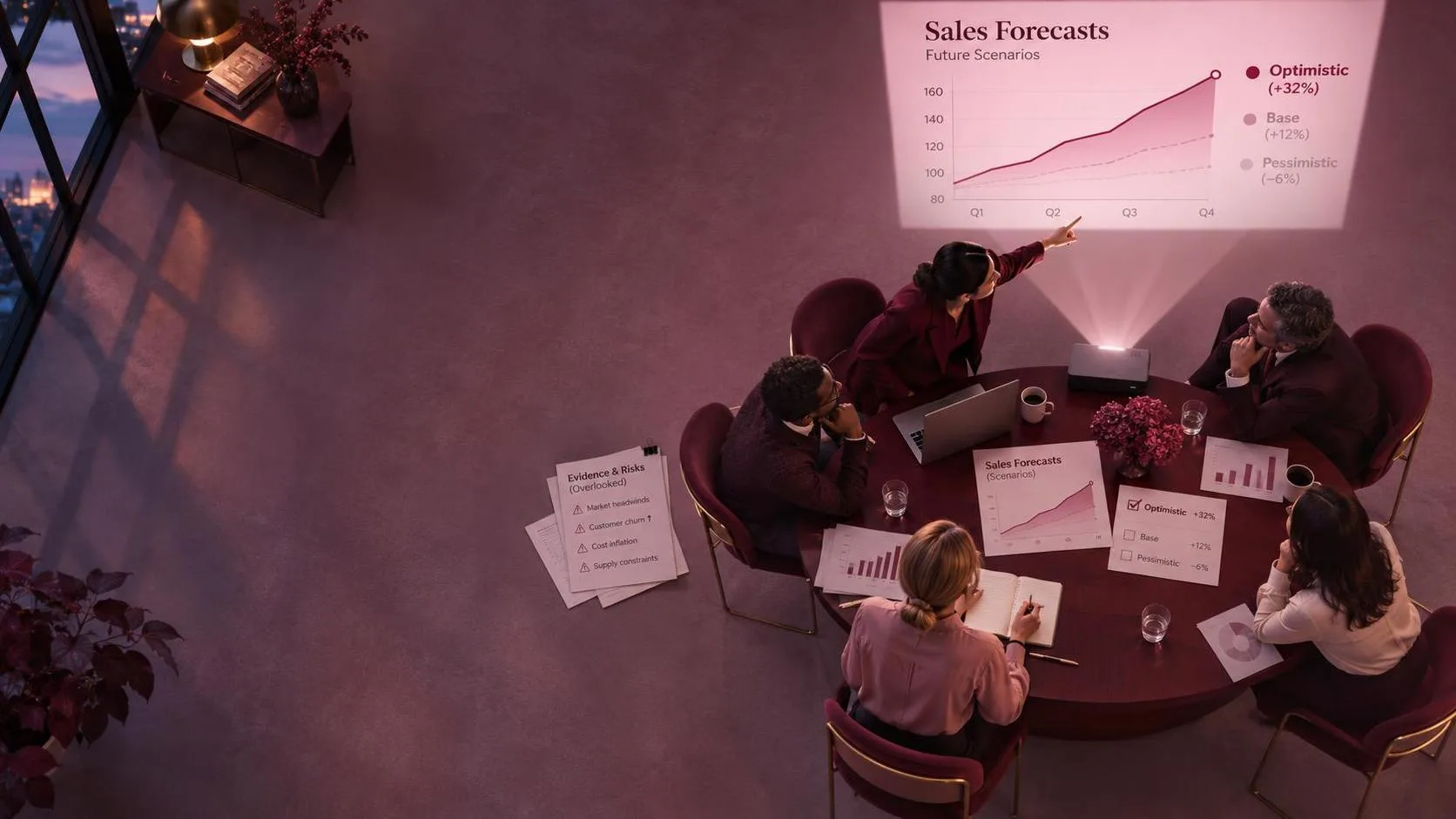
Projection bias is the tendency to assume your future preferences will resemble how you feel right now, even when you know your mood, needs, or circumstances could change. It helps explain why a productivity app looks indispensable during a chaotic workweek, only to gather dust when things settle down. The useful response isn't to stop making plans. It's to give your future self room to feel differently.
What projection bias looks like on a screen
Imagine it's Sunday evening and your inbox is overflowing. A service promises to sort messages, summarize threads, and help you start Monday with a clean slate. In that moment, paying for a year can feel sensible: if email is this stressful now, surely you'll want the help every day.
But your future inbox might be quieter. You might discover that a simple filter handles the recurring problem, or that the service's summaries need so much checking that they don't save you time. The purchase wasn't necessarily irrational; it was made from a narrow view of what the next few months would feel like.
Projection bias can work in the other direction, too. After a peaceful weekend away from your phone, you might decide to remove every messaging app. On Monday, coordinating with colleagues and friends becomes harder than you expected. The Sunday feeling was real. It just wasn't the whole forecast.
This isn't the same as saying people can't predict their preferences at all. Often we know a feeling will pass; we just don't adjust enough for how much that change may matter. A tired person can understand that tomorrow will feel different and still make an overly ambitious plan for tomorrow night.
How app design amplifies projection bias
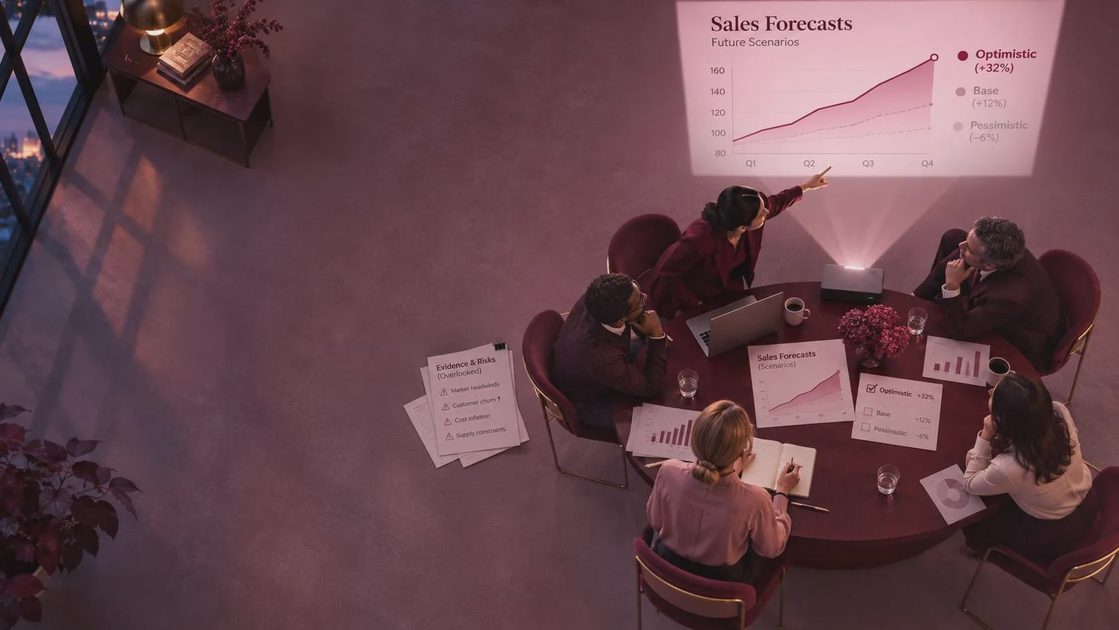
An app doesn't have to trick you to benefit from a decision made in a heightened moment. The timing and presentation can be enough.
Take an upgrade screen that appears just after you hit a storage limit. It puts the inconvenience and the paid solution side by side. That's useful information, but it also asks you to estimate a year's worth of storage needs at the exact moment you're most annoyed by running out. An annual discount can make the longer commitment look like the obvious responsible choice, even if a month would give you a better sense of your needs.
Or consider a focus app that asks you to build an elaborate routine immediately after installation. Choosing blocked sites, work hours, streak goals, and reminders can feel like progress. But the setup captures the intentions of your most motivated self. A Wednesday with a client emergency may require a different arrangement.
I look for the distance between the feeling a screen creates and the commitment it requests. A reminder that a free trial ends tomorrow is useful. A countdown that makes a purchase feel irreversible or urgent deserves a pause. Neither proves the product is bad; the question is whether the interface gives you enough space to decide on your own terms.
A better way to predict what you'll use
Projection bias is easiest to manage before the annual charge or the sweeping reset. Start by describing the problem without naming the product: “I miss messages from two important senders,” for example, rather than “I need an AI inbox.” That distinction gives you more than one possible solution, including a filter or a conversation about response times.
Next, check the decision against an ordinary day. Would you open the tool when you're not unusually stressed or excited? What happens when you're busy, traveling, or simply don't feel like maintaining another system? A good tool can survive imperfect use; it shouldn't require a daily ceremony just to remain useful.

For a subscription, try the shortest practical commitment first. A free trial or monthly plan may cost more per month than an annual rate, but it buys information. Before starting a trial, note its end date and cancellation terms. Use it on the actual task you want to improve, not just the demo workflow. If you only need occasional access, a recurring plan may not make sense at any price.
For a device, write down the job it needs to do and when your existing setup falls short. Want an e-reader because reading on your phone turns into checking messages? That's a concrete problem. Before buying, try reading with notifications silenced or using a book you already have. If those options don't fit your life, a dedicated device may still be worthwhile. The point is to compare the job, not the excitement of a new object.
Separate a temporary feeling from a lasting need
Not every purchase made while frustrated is a mistake. Sometimes the frustration reveals a real, recurring problem. The distinction is whether the need persists after the immediate feeling fades.
Give the decision a second look in a different state: after lunch instead of when you're hungry, on a normal workday instead of during a deadline, or a day after watching a persuasive product video. You don't need a mandatory waiting period for every small expense. Use the pause where money, attention, or a long commitment is at stake.
It's also worth distinguishing this bias from present bias. Present bias is the pull toward immediate rewards or relief over later consequences. Projection bias is about misjudging how much your future preferences will change. Buying an app for immediate relief can involve both, but they aren't interchangeable.
If I could keep one practice, it would be a short note beside a purchase decision: “What problem am I solving, and will it still be here next week?” Revisit the answer when the pressure has passed. You need less than you think, but the only person who can decide what stays is the one who has to live with it.