I used to take photos for an audience of strangers.
Not consciously. But when you've spent eight years designing apps—including one with a camera filter feature—you internalise a certain logic: a photo isn't complete until it's shared. Until it's seen. Until it's liked.
I'd frame shots thinking about what would work on Instagram. I'd edit for the grid. I'd crop for the square. I'd post, then check, then refresh, then wonder why a photo I liked didn't get more attention.
I wasn't taking photos. I was producing content.
Then I started printing.
The Experiment
90 days. Every photo I took that I actually wanted to keep—I printed it.
Not on a fancy home photo printer. I used an online service: upload, pay a few dollars, wait for the envelope. Small prints. 4x6 inches. No editing beyond what the camera captured. No filters. No presets. No "does this fit my aesthetic?"
Just the photo. On paper.
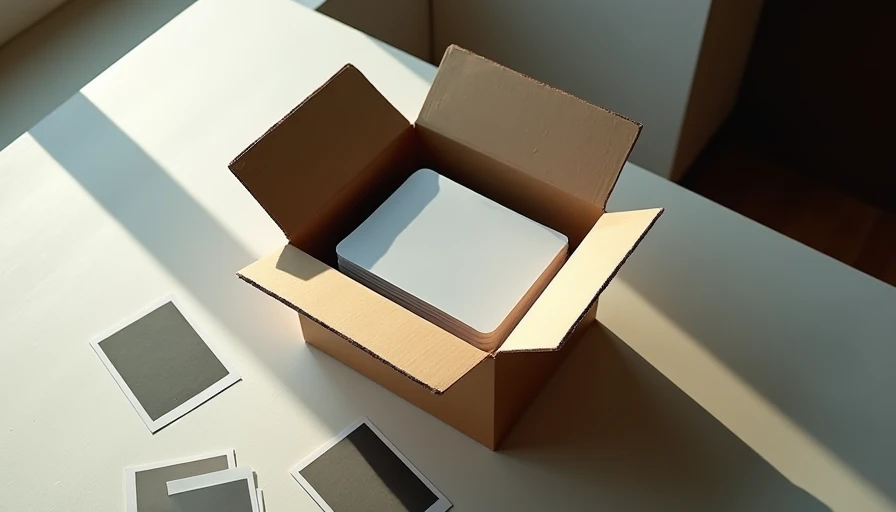
At the end of each week, I'd put the prints in a simple cardboard box. No album. No organisation. Just a growing stack of moments that I'd decided were worth keeping.
Week 1–2: The Discomfort
The first week was harder than I expected.
I'd take a photo I was excited about—a good one, I thought. Then I'd look at it in my camera roll and feel the familiar urge: post it. Share it. Get feedback.
I didn't.
I uploaded it to the printing service and waited.
When the print arrived, I looked at it. It was fine. But I had no idea if anyone else would think it was good. And that uncertainty was uncomfortable. I realised how much I relied on external validation to tell me if my photos were worth taking.
I'd been outsourcing my taste to strangers. And I didn't even notice.
Week 3–6: The Shift
Around week three, something started to change.
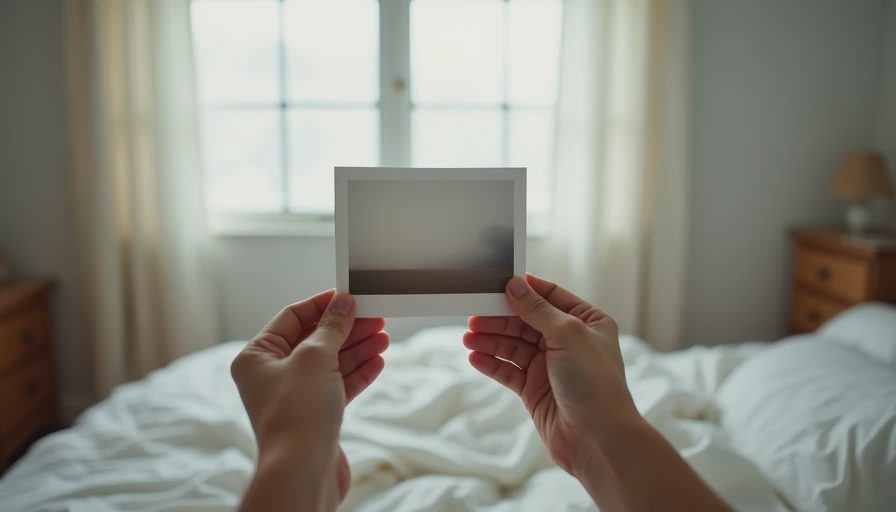
I stopped thinking about what would look good on a feed. I started thinking about what I'd actually want to hold in my hand.
A photo of a friend laughing—slightly blurry, poorly composed—became more appealing than a perfectly lit portrait. A shot of fog rolling over a hill, which I knew wouldn't "perform" well online, became something I wanted to see on paper.
I was no longer taking photos for the audience. I was taking them for the box.
The prints stacked up. I'd flip through them sometimes, just to remember. There was no likes. No comments. No algorithm. Just the image and the memory it carried.
Week 7–12: The Letting Go
By the third month, I stopped posting entirely.
Not because I made a rule. I just... didn't want to.
The urge to share had faded. The photos were doing their job—they were preserving moments, not performing for attention. The box was full. I could flip through it and be transported back to a hike, a dinner, a quiet evening. I didn't need anyone else to validate that.
I also noticed something else: I started remembering things more vividly.
Without the reflex to post, I was more present when I took the photo. I wasn't thinking about the caption. I wasn't thinking about the engagement. I was just... there. Taking a picture because I wanted to remember, not because I wanted to be seen.
What Posting Was Really Doing
Let me be honest about what posting was doing for me.
It wasn't about "sharing moments with friends." Not really. Most of my "friends" on social media were people I hadn't spoken to in years. It was about validation. It was about feeling like my experiences mattered because someone saw them.
That's an exhausting way to live.
Every photo became a performance. Every moment became content. I wasn't experiencing life—I was curating it for an audience that didn't actually care.
Printing broke that loop. The photo became private. Intimate. For me and the people who were actually there. It didn't need to be seen by anyone else to have value.
What I Kept
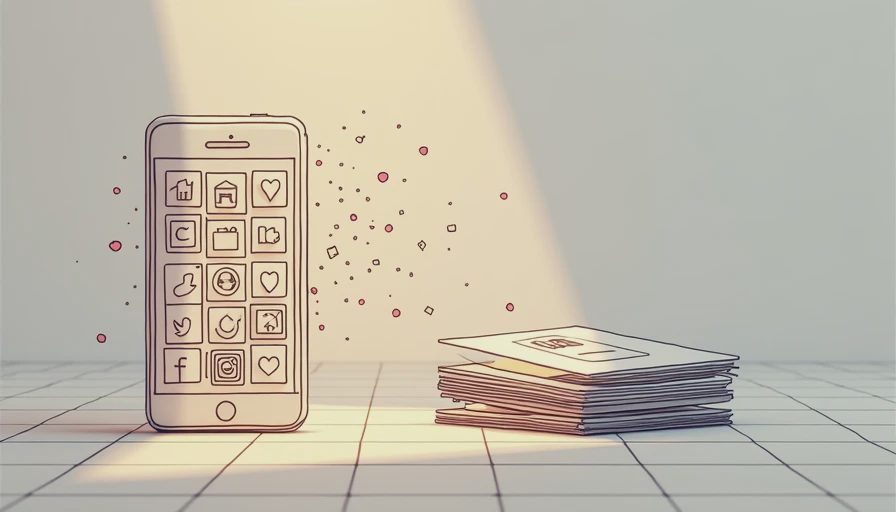
The box is now full. Maybe 300 prints. Some good, some mediocre, some that I can barely remember taking.
But they're all mine.
I don't post photos anymore. I don't miss it. I still take pictures—lots of them. But I take them differently. Slower. More intentionally. I'm not trying to capture something impressive. I'm trying to capture something real.
And when I want to share a photo with someone, I show them the print. Or I send it directly, in a message, to a person who actually cares.
That feels better than a hundred likes ever did.
A Note on Memory
There's research on this: when you take a photo with the intention of sharing it, you remember less of the moment. Your brain outsources the memory to the camera—and to the audience. You're not encoding it as deeply because you know you can always look at the picture later.
When you take a photo with no intention of sharing—just for yourself—the memory stays with you. The print is a reminder, not a replacement.
I found that to be true. The photos I printed feel more connected to the actual experience. The ones I posted feel like... content. Something I produced, not something I lived.
You need less than you think. Sometimes the best place for a photo is in your hand, not in a feed.