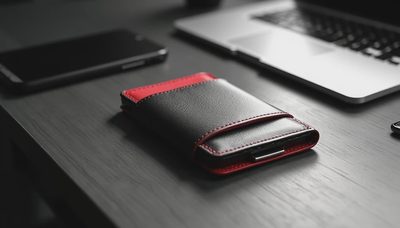

Do you actually need this? That is the question behind this ekster wallet review. The Ekster Parliament and related smart wallets promise a cleaner pocket, quicker card access, and optional tracking without turning your everyday carry into a gadget drawer. I spent time looking at the wallet as a product designer, not just as a piece of leather and aluminum. The short answer is that Ekster gets the physical interaction unusually right, but its smartest features are not essential for everyone.
What the Ekster wallet is trying to fix
A conventional bifold wallet asks you to open it, spread several cards apart, and search by touch. That process is familiar, but it is not especially calm. You carry old membership cards, receipts, a second payment card, and an expired license because removing them feels like a small administrative task. The result is a thick rectangle that disappears into a back pocket.
Ekster takes a different approach. Its cardholder uses a vertical card-access mechanism: press the button at the bottom, and a fan of cards rises from the body. The motion is quick and satisfying. You can see the cards instead of pulling them out one at a time. The wallet also has a cash strap or money clip, depending on the model, and some versions include a slot for an optional tracker card.
In this ekster wallet review, the important detail is not that the mechanism looks futuristic. It is that the mechanism reduces a tiny daily friction point. A good interaction has a clear starting action, visible feedback, and a predictable result. Ekster has all three. Press, lift, choose. After a week, reaching for the bottom button becomes automatic.

Ekster wallet review: materials, capacity, and comfort
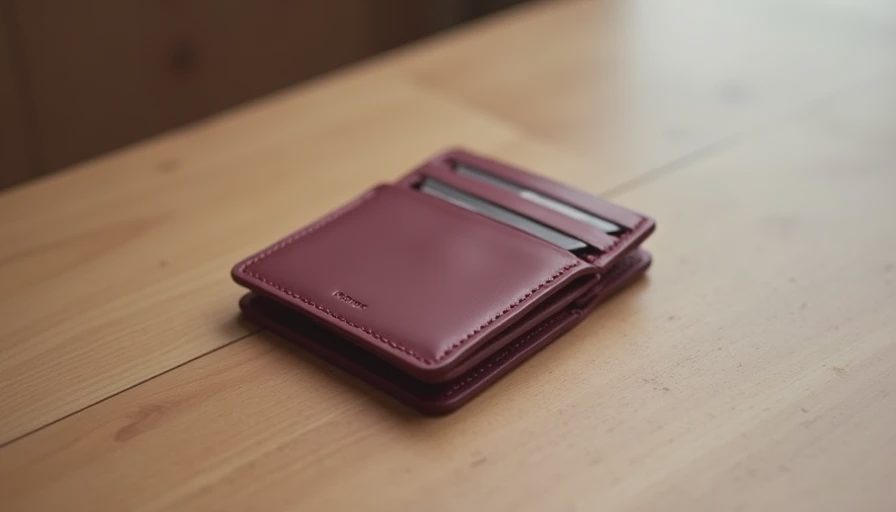
The exact materials depend on the model and finish. Ekster sells leather wallets as well as metal cardholders, with variations in texture, color, and construction. The leather options feel more traditional, while the metal versions look more technical and tend to create a sharper silhouette in a pocket. Neither feels like an invisible wallet, but both are more compact than a stuffed bifold.
Capacity is where discipline matters. Ekster typically works best with a small group of frequently used cards rather than every card you own. Think driver license, primary credit card, debit card, health insurance card, and one backup. If you regularly carry eight or more cards, the fan can become crowded, and selecting a single card loses some of its elegance. A minimalist wallet still requires you to make minimalist choices.
My ekster wallet review conclusion on comfort is favorable, with one qualification: avoid sitting directly on it for long periods if you are sensitive to back-pocket pressure. A front pocket, jacket pocket, or small sling is a better home. The wallet feels especially sensible for someone who has already moved keys and loose receipts out of their jeans.
The cash strap is useful for a few folded bills, but it is not a replacement for a full bill compartment. That is fine for most city errands. It is less convenient if you routinely carry cash for parking, trailhead fees, or small businesses.
The smart features are optional, not magic
The tracker feature is the part most likely to make someone search for an ekster wallet review. Depending on the setup, the wallet can hold a compatible tracker card designed to work with a phone-finding network or app. This can help locate a misplaced wallet at home or identify its last known location. It does not turn the wallet into a theft-proof device, and it cannot guarantee recovery after someone takes it.
That distinction matters. A tracker is useful because wallets are easy to leave beside a coffee machine, on a desk, or in a jacket from yesterday. It is less useful if you expect a live cinematic map of every movement. You also have to charge some tracker cards, keep the companion app working, and remember that battery life is another maintenance task.
In this ekster wallet review, I would treat tracking as a bonus for forgetful people, frequent travelers, and anyone who has already lost a wallet. If you never misplace personal items and dislike charging accessories, buy the wallet for its physical design and skip the tracker. You need less than you think.
Privacy is another reasonable consideration. A wallet tracker is not the same as a cellular GPS beacon, and its capabilities depend on the product and network. Still, any connected accessory introduces an app, permissions, and account management. That is a tradeoff, not a moral failure.
Everyday use: where it works and where it does not
The best part of the Ekster experience is the repeatable card reveal. At a checkout counter, the motion is faster than opening a bifold and slower only if the wallet is overfilled. The cards remain organized, so you do not need to fan through a stack with your thumb. This is a small improvement, but daily objects earn their value through small improvements repeated hundreds of times.
The weakest situation is a crowded wallet. If you add hotel key cards, receipts, business cards, and gift cards, the clean interaction becomes a jammed one. The mechanism is not an excuse to carry more. It is a reason to carry fewer things visibly and deliberately.
An honest ekster wallet review also needs to mention durability. Moving parts create more potential wear than a simple leather sleeve. The button, internal spring, card plates, and strap deserve normal care. Do not force oversized cards into the slot, and do not treat the wallet like a multitool. A basic sleeve has almost nothing to break; Ekster gives you convenience by adding complexity.
Value, alternatives, and who should buy it
Prices change by model, material, and promotions, but Ekster generally sits above a basic leather wallet and below luxury designer accessories. You can find simple cardholders for $20 to $50, while an Ekster setup can cost noticeably more once you include a tracker. The premium is paying for the access mechanism, not just the logo.
A slim leather sleeve from Bellroy or a metal cardholder from Secrid can be a better fit if you want fewer moving parts. A traditional bifold remains the most flexible choice for cash and many cards. A phone wallet case can reduce what you carry further, although relying on one object for payment and identification creates its own failure mode.
This ekster wallet review recommends the product for a driver who wants a compact wallet, enjoys tactile industrial design, and carries roughly three to six important cards. It is less compelling for someone who carries cash daily, needs a dozen cards, or wants a completely maintenance-free object.
Before buying, empty your current wallet onto a table. Remove receipts, expired cards, duplicate payment cards, and loyalty cards you can store digitally. Count what remains. If the list fits the Ekster format, the upgrade will feel intentional instead of merely expensive.
Final verdict: keep the mechanism, question the gadget
My final ekster wallet review is simple: the physical wallet is more useful than the smart branding. The card-eject system solves a real, repeated annoyance, and the compact shape encourages a lighter everyday carry. The tracker can be genuinely helpful, but it should not be the reason you buy an otherwise unsuitable wallet.
Would I keep one? Yes, if I had already decided to carry fewer cards and wanted a faster way to access them. I would start without the tracker, then add one only after proving that losing the wallet is a real problem in my routine. That order prevents a small accessory from becoming another device to charge and manage.
You need less than you think. If your current wallet is thick because of forgotten contents, edit it first. If the remaining cards still feel awkward in a sleeve, Ekster offers a thoughtful mechanical answer. Buy the interaction, not the fantasy of a smarter life.