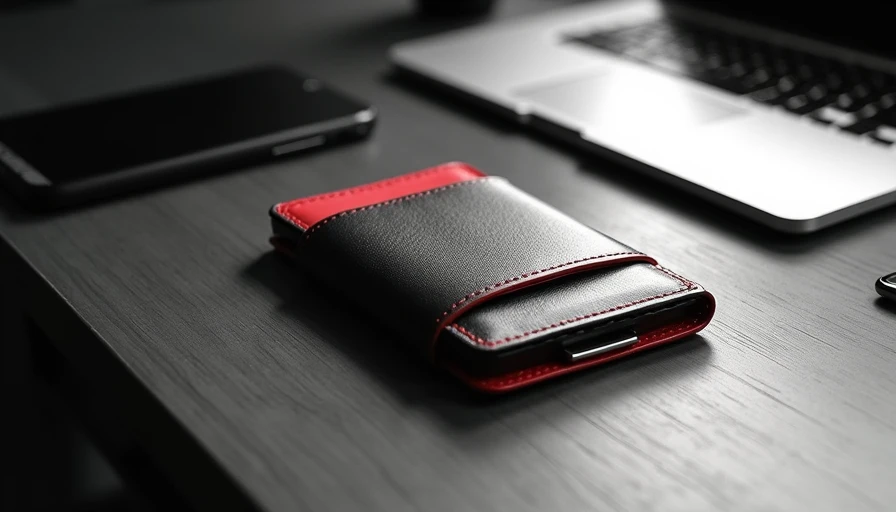
Do you actually need the Ekster parliament wallet, or is it another clever object that solves a problem your old wallet already handled? I carried one through ordinary San Francisco days to find out. The Ekster parliament wallet is a compact leather wallet built around a pop-up card mechanism, RFID blocking, and an optional tracker card. Its pitch is easy to understand: fewer loose cards, faster access, and less time digging through a folded billfold.
That pitch matters because wallets are quietly becoming another category of overstuffed personal technology. A typical professional might carry three payment cards, a driver's license, an insurance card, an office badge, receipts, and a small stack of emergency cash. The result is not just bulk. It is friction every time you pay for coffee or show identification.
The Parliament tries to remove that friction without turning your wallet into a phone accessory. A lever or button mechanism fans cards upward so you can see what you are carrying. You choose the card you need instead of pulling out the entire stack. That is a small interaction, but it is the kind of small interaction designers notice: fewer actions, less searching, and a clear physical response.
What the Ekster Parliament Wallet is designed to do
The central feature is the card-ejection system. Insert your main cards into the internal slot, press the mechanism, and the cards rise in a staggered stack. The motion feels more deliberate than opening a traditional wallet, but it is substantially quicker when you use the same two or three cards every day. The design also discourages the habit of carrying every loyalty card you have collected since 2018.
The Ekster parliament wallet usually makes the most sense for someone carrying a handful of daily cards rather than a full family paper trail. A driver might keep a primary credit card, debit card, driver's license, and transit card in the pop-up section, then use the outside slots for a backup card or folded bills. The exact capacity depends on card thickness and how comfortably you want the mechanism to operate.
Its RFID-blocking layer is useful in a narrow, practical way. It can help prevent compatible contactless readers from communicating with cards while they are inside the wallet. It is not a security force field, and it does not protect your identity from every form of theft. Think of it as passive protection for stored cards, not a replacement for account alerts, strong passwords, or sensible banking habits.
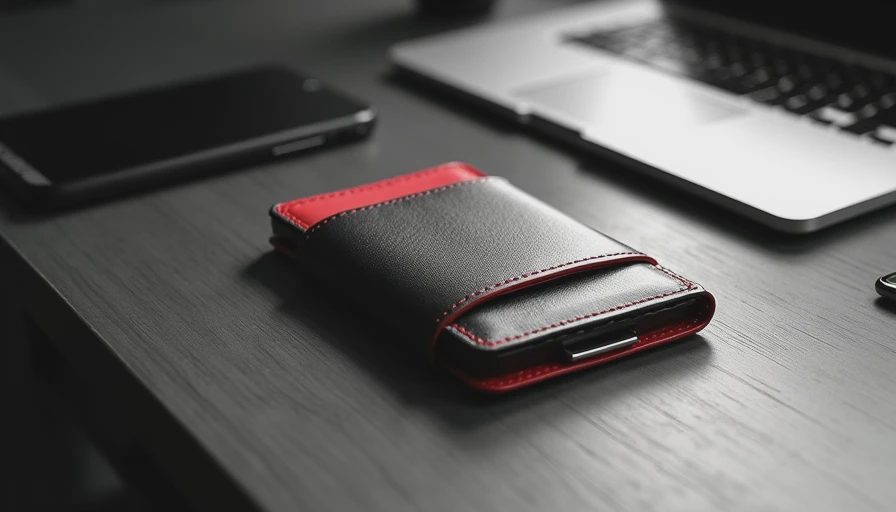
The wallet also supports an optional tracker card, including Ekster's own tracking accessory. This is the more interesting feature for people who regularly leave a wallet in a rideshare, conference room, or jacket pocket. A tracker can help you locate the wallet through a phone app, but it adds another device to charge or maintain. If you already use Apple Find My or another tracker ecosystem, compare compatibility before buying.
How it feels in daily use
The first thing you notice is the change in thickness. A traditional leather wallet spreads outward as you add cards. The Parliament keeps its main stack vertical and relatively contained. It is not invisible in a front pocket, but it is easier to control. Sitting at a desk or driving, the difference is modest. Pulling it from a tight pocket, the difference is more noticeable.
The card mechanism is best when your wallet has a stable routine. My preferred setup would be a primary payment card at the front, a backup card behind it, identification in an exterior slot, and a small folded bill under the cash strap. That arrangement creates a predictable physical sequence. I do not have to think about where a card went after a grocery run.
There is a tradeoff. Pop-up mechanisms contain moving parts, while a simple leather sleeve does not. You may need to adjust the card count if the stack becomes too tight or too loose. Embossed cards and thick metal cards can also change how smoothly the cards move. That is not a reason to reject the design, but it is a reason to avoid treating capacity numbers as a target.
The Ekster parliament wallet is also less suited to people who carry receipts, coins, multiple IDs, gift cards, and a large amount of cash. The compact shape encourages editing. That can feel refreshing if you want a smaller everyday carry. It can feel restrictive if your wallet doubles as a miniature filing cabinet.
Leather, style, and the object itself
The Parliament looks more considered than a generic minimalist card sleeve, but it does not disappear into the background. The leather gives it a traditional surface, while the card mechanism makes it visibly engineered. In a meeting, restaurant, or airport security line, it feels like a functional product rather than a novelty gadget.
That distinction matters to me. I have reviewed enough “smart” accessories to know that an extra feature is not automatically an improvement. A wallet should not require an account, notifications, or a weekly ritual unless that feature genuinely solves a recurring problem. The tracker option is valuable for forgetful owners; everyone else can leave it out and keep the object simpler.
The finish will change with use. Leather picks up scratches, softened edges, and marks from pockets. Some owners like that patina, while others want a wallet to look untouched for years. Cleaning products, moisture, and heavy heat can affect leather, so basic care is better than aggressive polishing. Store it away from loose keys when you want to preserve the surface.
Who should buy the Ekster Parliament Wallet?
Buy the Ekster parliament wallet if you want faster access to a small, intentional card setup and appreciate a tactile mechanism. It is especially sensible for someone moving from a bulky bifold to a more controlled everyday carry. The optional tracker adds a reasonable layer of reassurance if losing your wallet has already cost you time, replacement fees, and a stressful afternoon.
Skip it if your current wallet is already slim, your cards are easy to reach, and you do not care about RFID blocking or card ejection. A basic leather card holder can cost less and remove even more complexity. You also do not need the Parliament simply because a product page calls it minimalist. Minimalism is measured by what you carry and how often you use it, not by the number of features in the object.
Before ordering, lay your daily cards on a table. Remove expired membership cards, duplicate payment cards, and receipts. Count what remains, including cash. If the final stack fits the Parliament's intended use, the design is likely to feel helpful rather than cramped. If it does not, the answer may be a larger traditional wallet or simply carrying less.
My verdict
The Ekster parliament wallet earns its place through one clear interaction: press, fan out the cards, choose one. That is enough to make it more useful than a decorative leather accessory. RFID blocking is a supporting feature, and the tracker is an optional convenience rather than the reason to buy.
Still, you need less than you think. If your existing wallet already carries four cards comfortably and never slows you down, upgrading will not transform your day. If you want a physical reset, a smaller loadout, and a quick way to reach the cards you actually use, the Parliament is a thoughtful step down in friction. The one thing I would keep is the card-ejection mechanism; it solves a real, repeated annoyance without asking your phone to become involved.