Do you actually need this? The Sony Ericsson W610i makes that question unusually easy to ask. It is a slim music phone from the mid-2000s, built before every product conversation became a discussion about apps, notifications, and machine learning. It has a camera, a music player, Bluetooth, text messaging, and little else. That limitation is not an accident. It is the entire experience.
I spent time with the Sony Ericsson W610i because I wanted to understand whether an old phone could feel useful rather than merely nostalgic. The answer is more interesting than a simple yes or no. This is a charming secondary phone and a potentially effective distraction barrier, but it is not a practical replacement for a modern smartphone unless your needs are very narrow.
What the Sony Ericsson W610i feels like to use
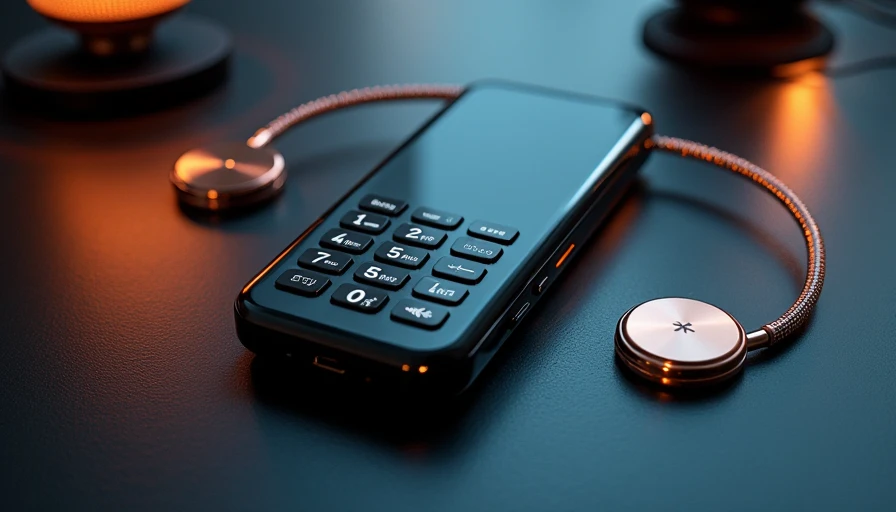
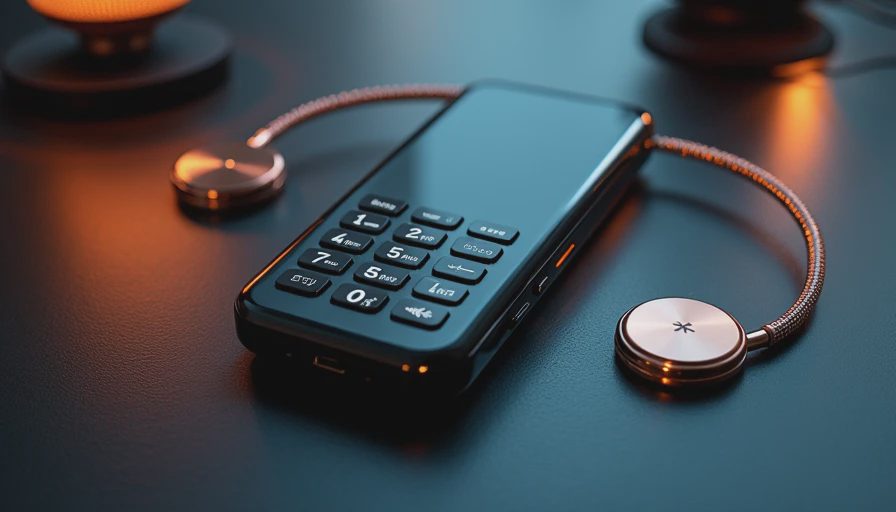
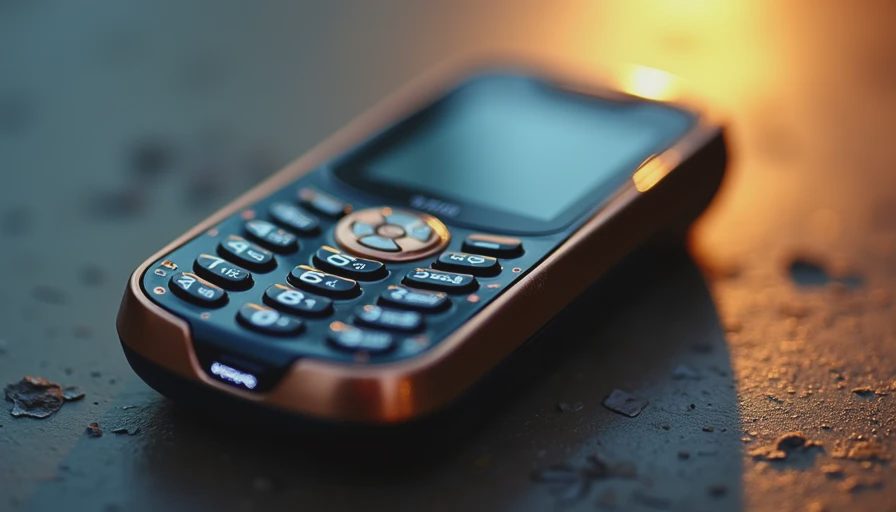
The first thing you notice is the size. The Sony Ericsson W610i is light enough to disappear into a jeans pocket, with a compact candy-bar shape and a physical keypad that rewards deliberate typing. The orange accents, small screen, and tactile buttons belong to another design era. Nothing here is trying to keep you engaged for an extra hour.
Menus are simple and predictable. You choose an item, open it, and return with a dedicated key. There is no feed waiting at the home screen and no badge suggesting that somebody, somewhere, needs your attention. The interface has friction, but it is useful friction. Sending a message takes effort. Writing a long email feels inconvenient. That inconvenience becomes a boundary.
The screen is small by current standards, yet it is bright enough for basic menus and photographs. The phone feels more like a tool than a miniature computer. For someone who has spent years designing polished mobile interfaces, that distinction is revealing. The Sony Ericsson W610i does not compete for your attention because it has almost nothing to offer after the immediate task is finished.
Music, camera, and everyday functions
The Sony Ericsson W610i was marketed as a music-focused handset, and that identity still makes sense. It supports common audio files, includes music controls, and works with compatible wired headphones through its connector and adapter setup. The experience is basic, but basic can be refreshing. You select an album, press play, and put the phone away.
Do not expect modern streaming convenience. There is no Spotify, podcast synchronization, wireless-earbud pairing experience, or reliable access to current music services. You will need local files, an old music library, or a computer to manage what you carry. That extra step can be annoying, but it also changes how you listen. A small collection becomes enough.
The camera is similarly modest. Its 2-megapixel sensor can record snapshots in decent light, but it cannot compete with even an inexpensive current smartphone. Photos lack the detail, dynamic range, and low-light performance most people now assume. Still, the camera has a pleasant limitation: it encourages you to take a picture and move on instead of reviewing, editing, and posting it immediately.
The Sony Ericsson W610i also handles calls, contacts, alarms, calendar entries, notes, and text messages. Those functions remain perfectly understandable. If your definition of a useful phone is “calls, music, and a few practical tools,” this little handset covers the essentials without surrounding them with an ecosystem.
The calm design is also a hard limitation
Using the Sony Ericsson W610i for several days made the absence of modern software obvious. There is no maps app for a spontaneous trip across San Francisco, no QR scanner for a cafe menu, and no banking app when a payment needs approval. Ride-hailing, two-factor authentication, group chats, navigation, and work email all become separate problems.
You can solve some of them with a second device. A modern smartphone can stay in a bag for maps or authentication while the Sony Ericsson W610i handles calls and messages. That arrangement works best when the newer phone is treated like equipment rather than a permanent companion. Keep it powered off, or leave it at home until a specific task requires it.
The largest challenge is network compatibility. This phone was designed for older cellular networks, and support depends heavily on your carrier, location, and whether compatible service remains available. Before buying one, confirm the exact frequency bands and network status for your area. An unlocked listing is not automatically useful just because it accepts a SIM card.
Battery condition is another concern. A healthy replacement battery can make the phone pleasant for basic use, while an aged original battery may drain quickly or swell. Check the battery compartment, charging port, keypad, and screen before paying collector prices. The Sony Ericsson W610i is inexpensive when treated as used electronics, but nostalgia can push sellers toward unreasonable prices.
Who should consider buying one?
The Sony Ericsson W610i makes sense for a few specific situations. It can be a weekend phone for hiking, camping, or visits where you want calls and music without a pocket computer. It can also serve as a reset device for someone who notices that a modern phone turns every idle moment into scrolling time.
It is especially appealing if you already own a smartphone but want to separate communication from entertainment. Give the older handset your main number if carrier support allows, then keep the smartphone for navigation, work, and planned tasks. The separation is more effective than installing another productivity app because the hardware itself removes the tempting options.
A photographer might also enjoy its low-stakes camera. The images will not replace a film rangefinder or current phone, but they can document a day without becoming content. You press the shutter, accept the result, and keep walking. That is a small but real change in attention.
Buying advice and setup
Start with compatibility, not color or condition. Ask the seller whether the phone is unlocked, whether it boots reliably, and whether the battery holds a charge. Request clear photos of the charging port, screen, keypad, and battery compartment. A phone priced around $30 to $80 can be reasonable depending on condition, accessories, and local availability; a much higher price deserves a clear reason.
Use a fresh battery from a reputable replacement supplier, and avoid storing the phone in heat. Load a small music selection rather than rebuilding your entire library. Add only the contacts you actually need. Turn off unnecessary sounds, set a simple alarm, and choose a ringtone you can recognize without making the phone feel like a notification machine.
For a two-phone setup, decide in advance when the smartphone is allowed back into your hand. Keep it in a desk drawer during dinner or in your pack during a walk. The Sony Ericsson W610i works best when its limits are visible and consistent. If you keep reaching for the newer device, the problem is probably not the old phone; the boundary needs to be clearer.
The one thing I would keep
Would I use the Sony Ericsson W610i as my only phone? No. Network uncertainty, limited messaging, weak camera performance, and missing modern services make that impractical for ordinary city life. Would I keep one in a drawer for weekends, travel experiments, and intentional offline time? Yes.
The value is not that this handset is secretly better technology. It is that the Sony Ericsson W610i makes fewer promises. It does not ask you to manage a feed, maintain an identity, or respond to every red badge. It gives you a call, a song, a photograph, and then a quiet pocket.
You need less than you think, but less still needs to work with your actual life. Buy this phone if you want a physical boundary and are willing to plan around its gaps. Skip it if you need reliable apps, modern connectivity, or effortless access to everything. The one thing I would keep is the lesson: a device can feel calmer simply by refusing to become your whole world.