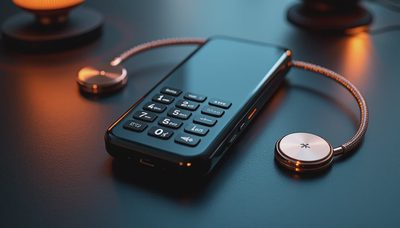
Do you actually need the vortex cellular phone, or are you looking at another inexpensive Android device because the internet made a new gadget feel urgent? I ask because I have spent years designing the tiny interactions that make a phone feel indispensable. The answer here is less dramatic than most product pages suggest: this is a practical budget phone with a few useful strengths, not a magic escape from distraction.
The Vortex cellular phone name covers a family of low-cost Android smartphones, including models such as the Vortex HD65 and Beat 8. Exact specifications depend on the model and retailer, so confirm the listing before buying. In broad terms, these phones focus on basic calling, messaging, web access, photography, and app compatibility at a price often below mainstream devices from Samsung, Motorola, or Google.
What the Vortex cellular phone is designed to do
The appeal is straightforward. A vortex cellular phone can give you a touchscreen, Android apps, Wi-Fi, Bluetooth, a camera, and access to common services without asking you to spend $500 or more. For a backup phone, first smartphone, travel device, or replacement for a damaged handset, that simplicity can be useful.
The experience is usually built around familiar Android conventions. You swipe to move between screens, pull down quick settings, and install apps through Google Play when the model supports Google services. That means there is no steep learning curve. Someone moving from an older Samsung Galaxy or a basic prepaid phone should understand the basics within minutes.
The tradeoff appears in speed. Budget processors and limited memory can make app switching feel slow, especially with Chrome, Maps, Spotify, and a messaging app open together. A page may take an extra beat to load. The camera may produce acceptable daylight snapshots but lose detail indoors. Those are not dealbreakers if your standard is “works when needed,” rather than “feels invisible.”
Screen, battery, and everyday handling
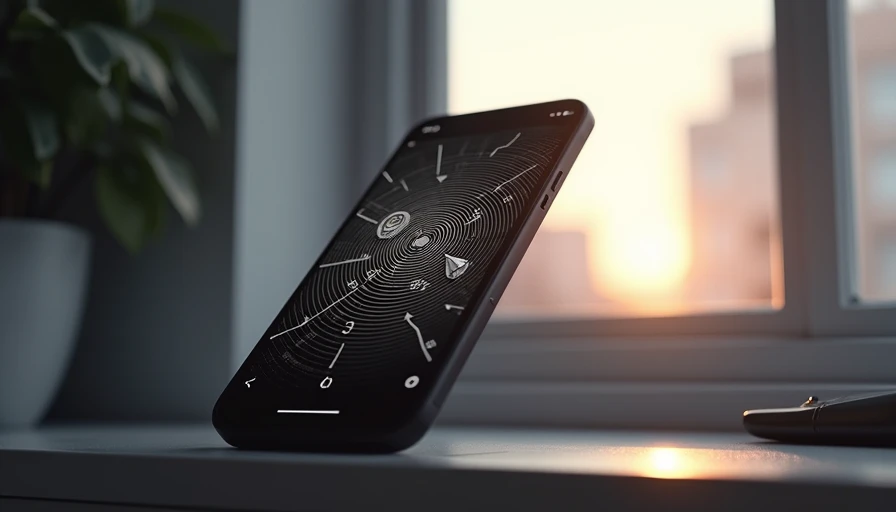
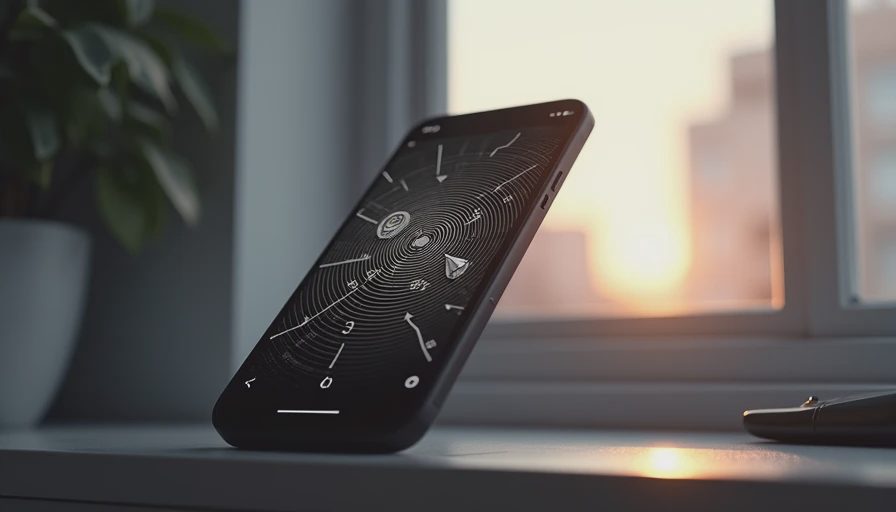
A Vortex cellular phone is most comfortable when you treat it as a utility rather than a pocket computer. Reading a text, checking a boarding pass, or making a quick call is generally within its lane. Long email sessions and heavy social media use are less pleasant because modest screens and entry-level hardware expose every pause.
Battery life depends heavily on the model, network, signal strength, and age of the battery. A new unit should handle ordinary calls and intermittent browsing through a typical day, but constant video, navigation, or hotspot use can drain it quickly. I would carry a small power bank for a full day away from an outlet, particularly on a hike or long train trip.
Physical handling is another quiet advantage. A cheaper phone is less stressful to carry into a workshop, beach bag, or rental car. You can use a protective case without feeling that the case costs as much as the device. Still, check whether a case and screen protector are easy to find before ordering. Accessories for less common models can disappear faster than accessories for an iPhone or Galaxy.
Camera quality without the camera fantasy
Phone listings often make cameras sound more capable than they feel. A Vortex cellular phone can capture a useful reference photo, receipt, package label, or bright outdoor scene. That is enough for documentation. It is not the same as having a dependable camera for dim restaurants, moving subjects, or carefully composed travel images.
The important distinction is processing. More expensive phones use software to balance highlights, sharpen faces, reduce noise, and stabilize video. An entry-level Vortex model usually has less room for those corrections. In afternoon light, you may get a perfectly serviceable image. Under office lighting, shadows can become muddy and fine details can smear when you zoom.
As someone who still carries a 35mm rangefinder, I do not see this as a moral failure. Most people need a camera that records what happened, not a second full-time hobby. If photographs matter to you, use the phone for notes and evidence, then bring a real camera when the image itself is the point.
Software, updates, and the distraction question
Here is where the vortex cellular phone becomes more complicated. Affordable hardware can reduce the temptation to upgrade, but it does not automatically create a calmer digital life. If the phone runs familiar Android apps, the same infinite feeds, badges, autoplay videos, and notification loops remain available. The hardware is quieter; the software can still be loud.
I used to design notification prompts around re-engagement. A red badge, a slightly delayed message preview, or a “people are waiting” line can turn a five-second check into twenty minutes. Changing phones does not remove those mechanics. You have to change the defaults yourself.
Start by disabling promotional notifications, removing social apps from the home screen, and setting the display to grayscale if color pulls you back in. Keep Maps, transit, banking, authentication, and messages easy to reach. Move entertainment apps behind a folder or uninstall them for a week. This is more effective than buying a device and expecting its logo to solve a habit.
Software support deserves attention before purchase. Look for the Android version, security update information, storage capacity, and whether the specific model includes Google Play. A low price is less attractive if an old operating system prevents your banking app or authentication tool from working. Retail listings can mix model names, so compare the model number and return policy, not just the product title.
Who should buy the Vortex cellular phone?
The vortex cellular phone makes sense for a narrow but real set of situations. It can work as an inexpensive spare, a starter device for someone who mainly calls and texts, or a short-term replacement while a primary phone is repaired. It may also suit a person who wants a separate navigation and music device but does not want to risk an expensive phone on a job site.
A family shopping for a first phone should pay attention to more than the sticker price. Confirm that the carrier supports the device, that the phone is unlocked if needed, and that the return window gives you time to test calls in the places where it will be used. A phone that works in one room but struggles elsewhere is not a bargain.
I would be more cautious about using it as a primary work phone. If your day depends on reliable video calls, fast document editing, mobile payments, or frequent multitasking, a Motorola Moto G, Samsung Galaxy A-series phone, or refurbished iPhone may offer a smoother experience. Spending an extra $100 to $250 can be sensible when time lost to lag costs more than the hardware savings.
My buying checklist and final take
Before ordering, check five things in the listing: the exact model, supported network bands, storage, Android and security-update details, and the warranty or return process. Then ask how you will use it. Ten calls, occasional texts, and a few maps searches are a very different workload from all-day video, photography, gaming, and hotspot use.
If you are comparing a Vortex cellular phone with a $1,000 flagship, the Vortex will win on purchase price and lose on polish, camera consistency, performance, and long-term confidence. If you are comparing it with a used or refurbished midrange phone, the decision is less obvious. Refurbished models often provide better screens and processors, while a new budget device may feel simpler to source and return.
My verdict is modest: buy a Vortex model when low cost and basic function are the actual requirements. Do not buy it expecting premium speed or automatic digital minimalism. The best use is as a deliberate tool with notifications trimmed, essential apps kept visible, and everything else made slightly harder to reach. You need less than you think, but you still need the right tool for the work. For many people, this phone is enough; for demanding daily use, save for the better midrange option.