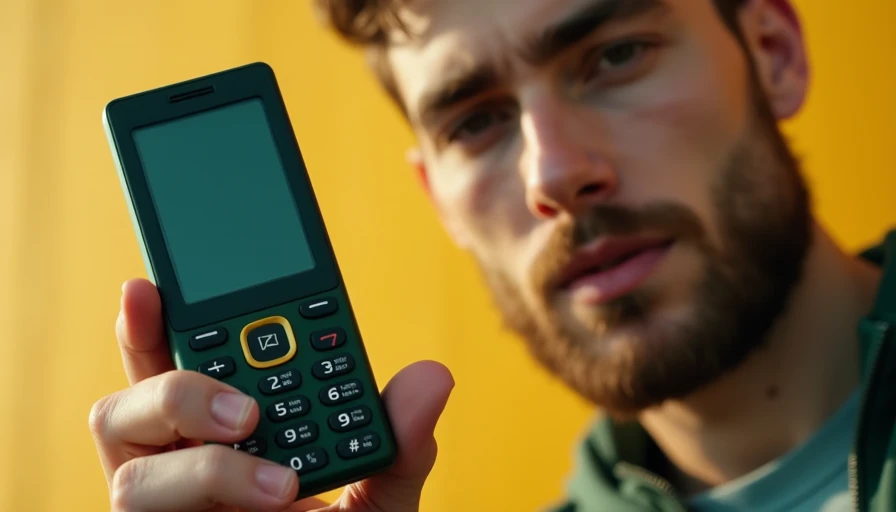
Do you actually need this? That is the question I would ask before buying the sony w610i today. It is a small Sony Ericsson Walkman phone from 2007, built for calls, texts, music, and occasional photos rather than an endless stream of updates. I spent time with one because I wanted to understand whether an old phone could make daily life calmer without becoming a precious lifestyle object. The answer is more complicated than simply calling it a good dumbphone.
What the sony w610i was designed to do
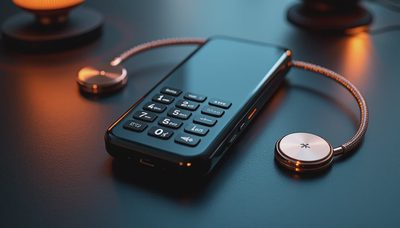
The sony w610i is a candy-bar phone with a 1.9-inch color display, a physical keypad, dedicated music controls, and a sliding lens cover over its camera. Its design is compact in a way current smartphones rarely are. It weighs roughly 93 grams, fits easily in a jeans pocket, and does not require two hands for almost anything.
The phone runs Sony Ericsson's feature-phone software, not Android or iOS. You get phone calls, SMS messaging, contacts, a calendar, alarms, notes, an FM radio, Bluetooth, and basic games. The Walkman branding is not just decoration. Music is the central experience, with a dedicated player, equalizer settings, playlists, and buttons that let you pause or skip without opening a menu.
The 2-megapixel camera is useful for visual notes in good daylight, but it is not a replacement for a modern phone camera. Images are small and soft by current standards. There is no Wi-Fi, GPS, app store, or touchscreen. That absence is the entire point, provided you are comfortable with what it removes.
Music, buttons, and the feeling of friction
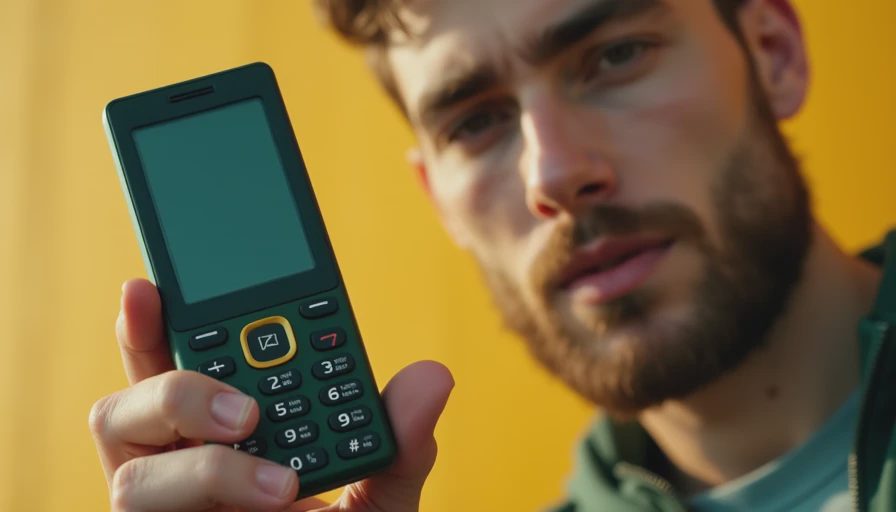
Using the sony w610i feels different because every action has a small amount of friction. You press a real key to enter a message. You navigate a list with a directional pad. You choose a song from a local library instead of opening a service designed to keep recommending the next one.
As a product designer, I notice the missing feedback loops. There is no badge count asking you to return, no autoplay queue quietly extending an evening, and no social feed waiting after you finish a call. The phone does not make a persuasive case for itself every few minutes. It simply waits.
That does not make it magically virtuous. A physical keypad can still become annoying when you need to type a long address. T9 takes practice, and predictive text sometimes chooses an unexpectedly strange word. The 1.9-inch screen also makes browsing rudimentary. You will not want to read a long article, manage a shared calendar, or navigate a new city on this device.
The music experience is strongest with a prepared library. Transfer MP3 files to a compatible Memory Stick Micro card, add headphones, and the sony w610i becomes a focused player. It is closer to carrying an iPod Nano than carrying a miniature computer. That distinction matters if your goal is to leave streaming recommendations behind, not if you need every album available instantly.
Battery life and everyday carry
A healthy replacement battery can make the sony w610i remarkably pleasant for short trips, hikes, and weekends when you do not want a glass rectangle in your hand. Standby time can be very good compared with a smartphone, although old batteries are unpredictable. A used example might need a new battery, charger, housing, or keypad before it becomes dependable.
The removable battery is one of the practical details I appreciate. You can carry a spare rather than search for an outlet, assuming you find a compatible battery in good condition. Mini-USB charging accessories were common, but sellers often bundle incomplete or worn-out kits, so inspect the listing carefully.
Size changes behavior. The sony w610i disappears into a small pocket, and its screen does not invite you to check anything. I carried one during a walk and noticed the difference immediately: I still had a camera and music player, but neither demanded attention. This is not a productivity hack. It is simply a device with fewer doors to open.

The biggest problem in the United States
The sony w610i is a GSM 2G-era phone, and that creates a serious compatibility problem in the United States. Major carriers have shut down legacy 2G networks, so an unlocked handset that worked years ago may not register for calls or texts now. Even where a network appears compatible, support can change, and emergency calling is not something to experiment with casually.
This means the phone is better understood as a collector's device, offline music player, or design reference than as a dependable primary phone for most US readers. Before buying, check the exact carrier situation, not only the seller's claim that the handset is unlocked. An unlocked phone is not automatically compatible with every network or modern frequency band.
You should also expect cosmetic variation. Some listings show a clean black or orange handset; others have scratched screens, faded buttons, missing battery covers, or aftermarket batteries. Prices commonly range from about $30 to $100 depending on condition, accessories, and collector interest. Spending more does not guarantee reliable network service.
Who should buy one?
The sony w610i makes sense for someone who already owns a current smartphone but wants a small secondary device for music, nostalgia, or offline weekends. It can also interest designers who want to study an era when hardware buttons, screen limits, and local media shaped the product experience. There is a satisfying clarity in a phone that cannot install another app.
It makes less sense for anyone who needs maps, two-factor authentication, banking, rideshare apps, group messaging, or dependable US cellular service. Those needs are not personal failures. They are simply requirements the phone was never designed to meet. A modern smartphone with notifications disabled, grayscale enabled, and distracting apps removed may be the more realistic answer.
If you want a current low-distraction phone, compare this experiment with a modern feature phone that supports the networks in your area. Devices from Nokia and other feature-phone makers offer a similar physical simplicity while avoiding some of the 2G compatibility concerns. They will not have the exact character of the sony w610i, but reliability is part of calm.
My answer: do you need the sony w610i?
Probably not as your only phone. The sony w610i is too old for that role in much of the United States, and its camera, messaging, and network limitations are real. But you might want it as a deliberately narrow tool: a local music player, a weekend object, or a reminder that a phone does not need to contain your entire life.
The one thing I would keep is its dedicated music experience. Physical controls, a small library, and a battery that is not constantly negotiating with background services create a satisfying boundary. You need less than you think, but you still need a device that works for the life you actually have. Buy the sony w610i for the feeling and the experiment, not for modern connectivity.