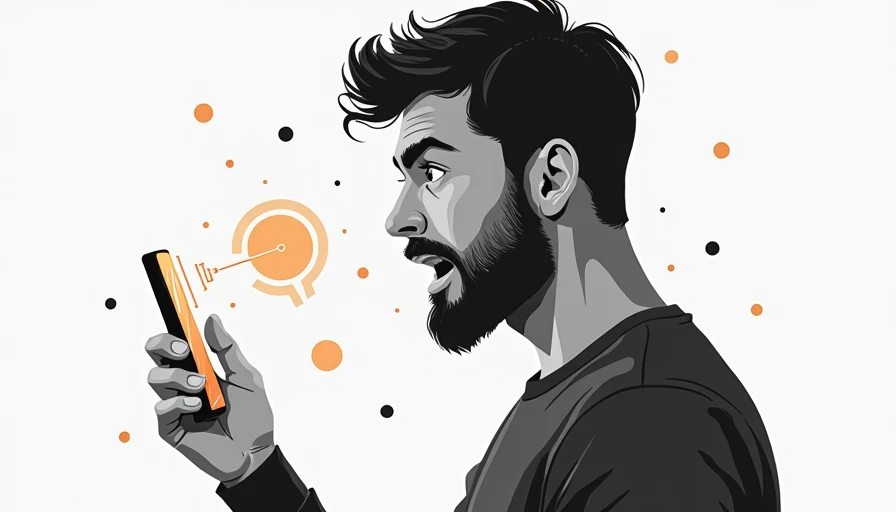
Do you actually need the wonder phone, or do you need a little distance from the phone you already own? That is the question I would ask before buying any device marketed as calmer, smarter, or more intentional. I have spent eight years designing consumer apps in San Francisco, including some of the notification loops I now try to escape. Product names matter less to me than the behavior a device creates when it sits in your pocket.
What is the wonder phone supposed to be?
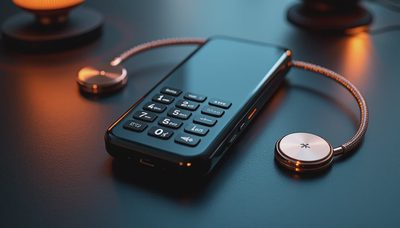
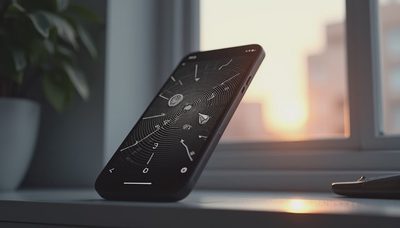
The phrase wonder phone sounds like a product name, but it can also describe a whole category of phones built around curiosity without constant interruption. A device in this lane usually promises fewer distractions, a cleaner interface, better control over notifications, or a more deliberate relationship with apps. The appeal is easy to understand: you want maps, messages, a camera, and maybe music, but you do not want a glowing slot machine following you through dinner.
That promise is attractive to people who have already tried the obvious fixes. You turned off badges, installed Freedom or Opal, moved social apps off the home screen, and still found yourself opening a browser from muscle memory. The problem is not a lack of discipline. Modern interfaces are designed to reduce the distance between impulse and reward. A red dot, a pull-to-refresh gesture, and an unpredictable feed can turn a two-minute check into half an hour.
A wonder phone is only useful if it changes that distance. A new logo, a matte finish, or a minimalist wallpaper will not do much on its own. The meaningful question is whether the hardware and software make your default behavior quieter.
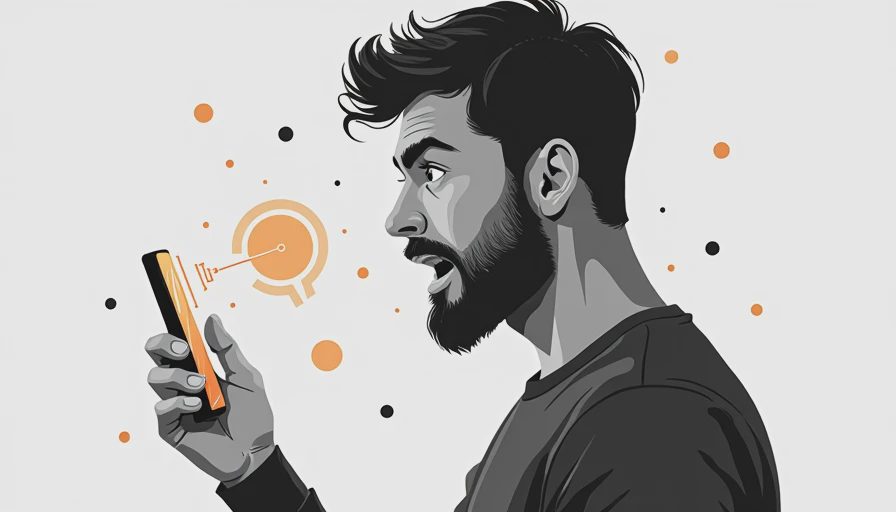
The design mechanics worth examining
When I review a wonder phone, I look first at friction. Can you reach email instantly, while social media requires a deliberate search? Are notifications grouped into a calm summary, or does every app get permission to interrupt? Can the home screen show the next useful action without presenting twelve bright invitations?
These details sound small because they are small. Small repeated decisions add up. In my app-design work, we tested button placement, animation timing, and notification language because each detail could increase return visits. A phone that reverses those choices might hide entertainment, reduce motion, use grayscale, or create a firm boundary around attention-heavy apps.
That does not make the device virtuous. It makes the default path less aggressive. If the wonder phone still makes every service one tap away, you may simply carry a more expensive version of the same habit. If it lets you keep a transit app, two-factor authentication, a camera, and essential messaging while removing the feed-shaped center of your day, it has a clearer purpose.
I also care about recovery. A calm device should make it easy to return to normal after a practical task. You should be able to check a train time without discovering a video feed, reply to a colleague without seeing six unrelated alerts, and take a photograph without immediately being asked to publish it.
Living with the wonder phone for a normal week
The first day with a restricted phone can feel strangely inconvenient. You may reach for an app that is no longer prominent, or discover that a small task takes an extra minute. That discomfort is useful information, but it is not proof that the product works. A good test needs to include a workday, a commute, an evening at home, and a weekend outside the city.
During a workday, pay attention to whether the device supports your actual responsibilities. Slack, calendar access, authentication codes, navigation, and a reliable camera can matter more than an impressive specification sheet. If the phone forces you to borrow a colleague's device for ordinary work, the friction may become annoying rather than restorative.
On a commute, notice what happens in the empty moments. Do you look around, read a saved article, listen to an album, or repeatedly open the same limited set of apps? There is no moral score here. The useful observation is whether the phone gives you a choice before it supplies stimulation.
At home, try charging it outside the bedroom. The experiment is not about proving that you can suffer through a screen-free night. It is about separating the alarm clock, the camera, and the communication tool from the object that normally stays under your pillow.
The wonder phone should earn its place through these ordinary moments, not through an attractive product page.

What it replaces, and what it does not
A calmer phone cannot fix an overloaded calendar, unclear work boundaries, or an anxious relationship with email. If your manager expects instant replies, the device may expose that problem without solving it. You still need a schedule, notification rules, and a clear answer for emergencies.
It also does not automatically replace a dedicated camera, an e-reader, or a laptop. That can be good news. The best setup is sometimes a regular smartphone configured with fewer apps, paired with one separate object you genuinely enjoy using. My own version includes a grayscale phone and a 35mm rangefinder. The camera gives me a reason to look carefully rather than document everything for a feed.
Before spending several hundred dollars, try a two-week simulation. Remove social apps, disable nonessential notifications, delete saved browser shortcuts, switch the display to grayscale, and place the phone across the room while working. Use Screen Time on an iPhone or Digital Wellbeing on Android to see which behaviors remain. If the experiment helps, a simpler device could make the change easier to maintain. If nothing changes, the hardware is unlikely to be the missing ingredient.
Do you need the wonder phone?
You probably need less than you think. The wonder phone makes sense when your current device repeatedly defeats settings you have honestly tried, and when you want a physical boundary rather than another productivity subscription. It is especially compelling for a professional who needs core smartphone functions but wants entertainment to stop being the default.
I would skip it if you are hoping for a dramatic reset without changing notification permissions, charging habits, or app access. I would also skip it if the product leaves you worried about support, security updates, compatibility, or basic reliability. Calm design is not a substitute for a dependable phone.
My buying rule is simple: write down the five tasks your phone must handle every week. Add maps, authentication, communication, work tools, or accessibility features that you truly rely on. Then identify the three apps that consume time without serving those tasks. If the device can protect the first group while creating real friction around the second, it may be worth considering.
The wonder phone is most interesting as a design intervention, not a magic object. Its value comes from changing defaults until your attention has somewhere else to go. I would keep the camera, navigation, messages, and a small music library. Everything else has to make a strong case. You need less than you think.