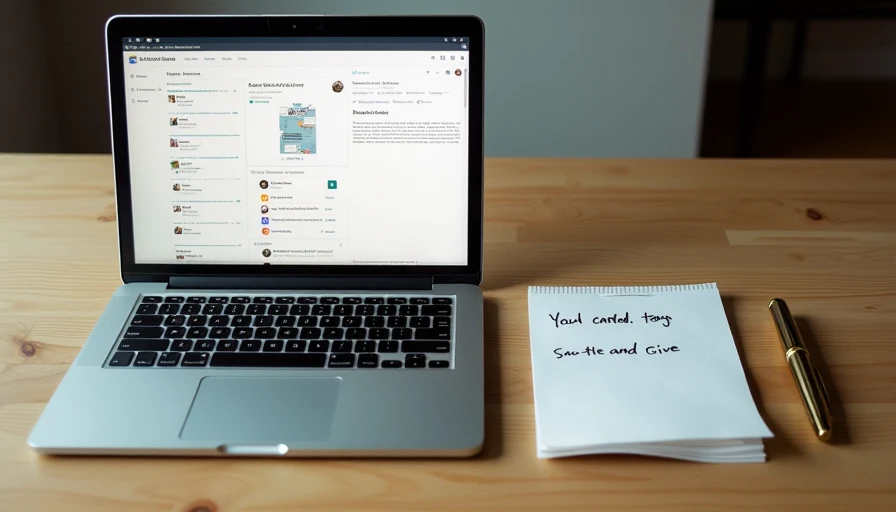
I have 1,847 notes in my Notion database. I have opened exactly 12 of them in the past six months.
That number is not a flex. It's an embarrassment.
I spent hours setting up that system. I watched tutorials on relational databases. I built a beautiful dashboard with colour-coded tags and a calendar view and a progress tracker that showed me how many notes I'd taken each week. I felt productive just looking at it.
Then I realised something: I was spending more time organising my notes than I was spending actually using them.
The trap isn't that note-taking apps are bad. The trap is that they make us feel like we're doing work when we're really just rearranging furniture.
The Three Illusions
Note-taking apps sell us three comforting lies.
Illusion 1: "Capture is progress."
Every time you paste an article into your "Read Later" folder, you feel a little dopamine hit. You've saved it. It's yours now. You'll get to it eventually.
No you won't.
The average "Read Later" folder contains 73 unread articles. That's not a knowledge base—that's a digital graveyard. We confuse collecting with learning, and the apps are designed to encourage exactly that confusion. The easier it is to capture, the less likely you are to actually process what you've captured.
Illusion 2: "Organisation is understanding."
I once spent an entire afternoon re-tagging 400 notes in Evernote. I created a hierarchical taxonomy. I colour-coded everything. I felt like a librarian.
What I actually was: someone avoiding the hard work of thinking.
Organising notes is easy. You can do it while half-watching Netflix. Understanding what you've written—actually digesting it, connecting it to other ideas, turning it into something useful—that takes effort. And effort is exactly what the app's "tag and forget" workflow lets you skip.
Illusion 3: "More apps = better system."
Notion. Obsidian. Roam. Bear. Evernote. Apple Notes. The list goes on. Each one promises to be The One That Finally Works.
I've tried all of them. I've migrated my notes between them three times. Each migration took a weekend. Each one produced exactly zero new insights.
The problem wasn't the app. The problem was that I was looking for a tool to solve a discipline problem. No app can make you think. No folder structure can write your ideas for you.
What I Learned From a Week Without Notes
I did an experiment. One week, no note-taking app. Nothing went into Notion, Obsidian, or even Apple Notes. If I had an idea, I had to hold it in my head or write it on paper.
The first day was uncomfortable. I had that familiar itch—"I should capture this before I forget it."
By day three, something shifted. I realised that the things I actually remembered were the things that mattered. Everything else was just noise. My brain was doing exactly what it was designed to do: filtering. I had been using notes as a crutch to avoid trusting my own memory.
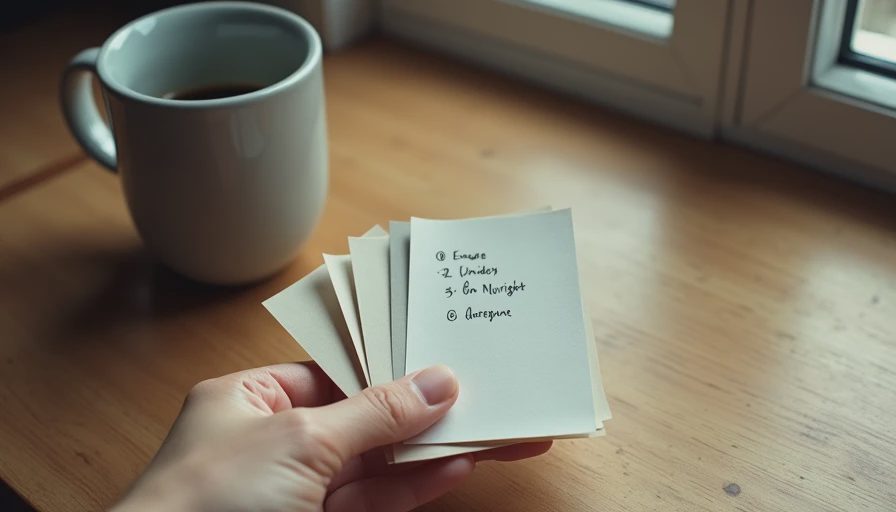
By day seven, I had a small stack of physical index cards with handwritten ideas. That was it. Six cards. Six things that actually survived the week.
Six notes were more useful than 1,847.
A Better Way
I'm not saying delete all your notes. I'm saying stop treating note-taking apps like they're the work itself.
Here's what I do now:
One: Write by hand first.
There's something about the physical act of writing that engages your brain differently. You can't paste. You can't copy. You have to summarise, condense, interpret. That process is where the thinking actually happens. Typing is transcription. Writing is thinking.
Two: Process, don't collect.
Every week, I go through my handwritten notes and decide what actually matters. The rest gets thrown away. If I can't remember why I wrote it down, it doesn't need to be saved. This is brutal. It's supposed to be. If it's not hard to keep something, you're not filtering hard enough.
Three: If it goes digital, it goes in one place.
I use a single plain text file. No folders. No tags. No databases. Just a running document with headings and dates. Search handles the rest. The complexity of modern note-taking apps is a feature for the app company (they want you locked in) and a bug for you (you want to think clearly).
One Last Thought
Note-taking apps aren't evil. They're tools. Like all tools, they can be useful—or they can become a trap. The trap is when you mistake the act of organising for the act of understanding.
Your notes are not your brain. They're a supplement, not a replacement.
You don't need a second brain. You need to use the one you already have.
You need less than you think. A note that never gets read is just digital clutter with a pretty font.