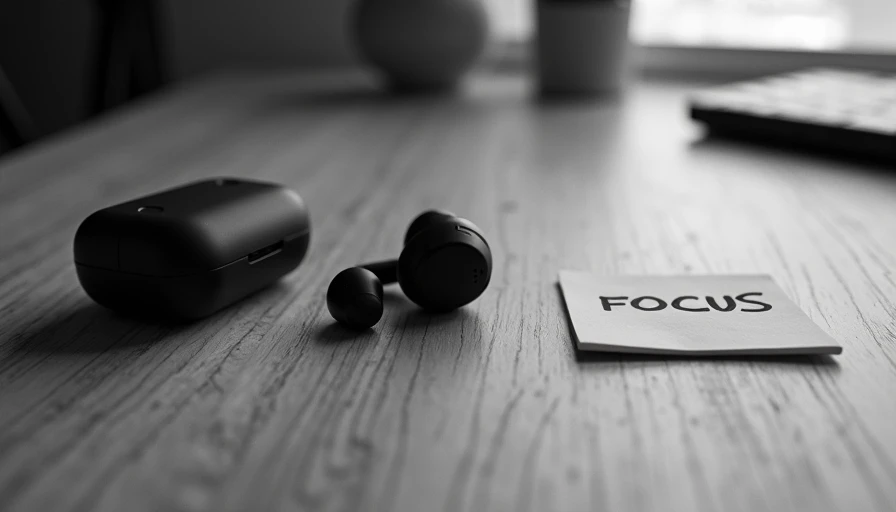
Most people buy earbuds for one of two jobs: blocking the outside world so they can concentrate, or filling the silence so they do not have to sit with it.
The two jobs look similar at the store. They are not the same in use.
I spent several weeks rotating between a few pairs—some tuned for active noise cancellation, some simpler, some with transparency modes—and paid attention to what I actually reached for and why. The distinction that mattered was not brand or price. It was purpose.
Earbuds for Noise
These are the ones that try to erase the environment. Strong active noise cancellation, sealed fit, the ability to make a café or an airplane feel distant. They are excellent at their stated job. Background chatter drops. The low rumble of transit fades. The outside world becomes optional.
For travel, open offices, or any situation where the environment is actively hostile to concentration, they are useful. They buy you a cleaner auditory space so you can put something intentional in it—music, a podcast, white noise, or silence.
The cost is that they also remove ambient information you sometimes need. Footsteps, someone saying your name, the sound of a timer, the general texture of a room. Transparency modes help, but they are an approximation. Once you are sealed in, you are slightly less present.
Earbuds for Focus
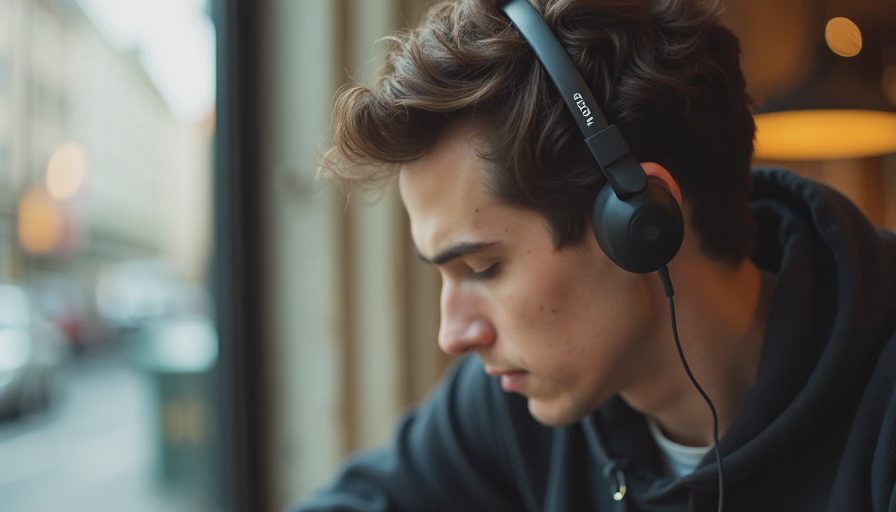
These are less about erasure and more about creating a consistent, low-distraction audio layer. They do not need to be the most powerful noise-cancellers. They need to be comfortable for long sessions, reliable in fit, and paired with sound that supports attention rather than competing for it.
I found myself using simpler earbuds, or the same noise-cancelling ones with ANC turned down or off, when the goal was sustained work. The audio was usually something repetitive and non-linguistic: low-key instrumental, brown noise, or nothing at all. The earbuds’ job was to create a stable sonic boundary, not to entertain or to fully isolate.
The difference is subtle but practical. When the earbuds are optimized for maximum isolation, the experience becomes binary—world on or world off. When they are optimized for focus, the experience is more like a gentle filter. You remain loosely aware of the room while the sharp edges of distraction are softened.
What I Actually Kept Using
I kept one pair with strong noise cancellation for travel and genuinely loud environments. I kept a lighter, more comfortable pair for daily desk work. The second pair gets far more hours.
I also changed what I play through them. Music with lyrics and strong melodic hooks often pulled attention rather than supporting it. Steady, low-information sound did the opposite. The earbuds became less of a entertainment device and more of a focus tool.
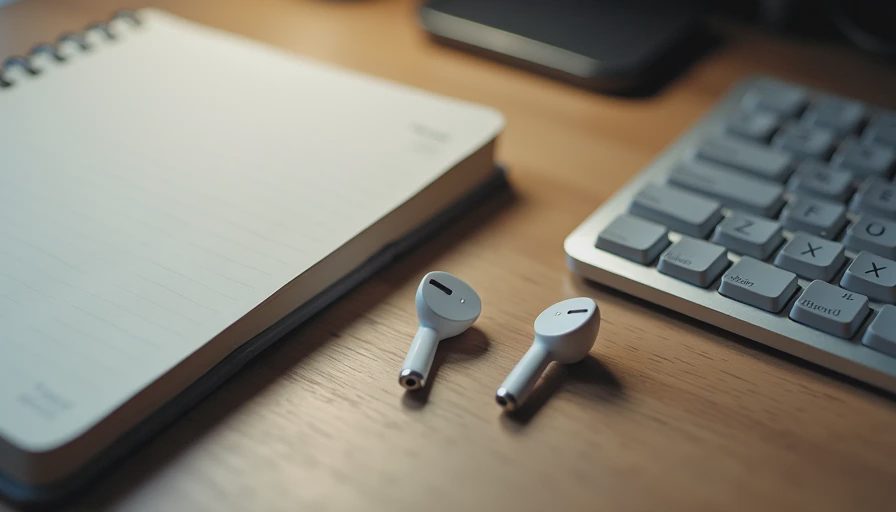
Battery life, multipoint pairing, and app features mattered less than fit and the ability to forget I was wearing them. The best focus earbuds are the ones that disappear once they are in.
The Practical Test
Before buying or keeping a pair, ask which problem you are solving:
Is the environment too loud or unpredictable for the work you need to do? → Prioritize noise cancellation and isolation.
Do you mainly need a consistent audio buffer so your attention stays on the task? → Prioritize comfort, all-day wearability, and sound that does not demand attention.
Many people buy the first kind and then use them for the second job. The mismatch shows up as pressure on the ears, a slight sense of disconnection, or the habit of taking them out after an hour because the seal feels like too much.
What I Stopped Doing
I stopped treating high-end noise cancellation as automatically better. I stopped using earbuds as a way to avoid ordinary quiet. And I stopped assuming that more features would translate into better focus.
The right pair is the one that matches the actual job. For most of my working hours, that job is not total silence. It is a small, reliable reduction in distraction so the rest of the mind can stay on the work.
You need less than you think. Sometimes the quieter tool is the one that helps you hear yourself think.