Books about smartphones are useful when you want more than another notification-blocking tip. The best ones explain why a device that fits in your pocket can shape your attention, memory, relationships, and working day. I read them as both a designer and an ordinary phone user: curious about the machinery, but mostly interested in one question. Do you actually need this advice?
There is no shortage of books about smartphones, and they do not all make the same argument. Some focus on persuasive technology and business incentives. Others look at childhood, sleep, work, or the broader history of media. A few are practical guides for changing habits. You need less than you think, but choosing one good book can help you see what you want to remove and what you want to keep.
Start with the design problem
The most useful books about smartphones begin with a clear distinction: the phone itself is not the whole problem. A glass rectangle can hold a map, a camera, a boarding pass, a library, or a slot machine. The experience depends on the software, the defaults, and the business model surrounding it.
As a product designer, I recognize the pattern. A notification dot creates a small unresolved task. Pull-to-refresh borrows the physical feeling of a lever. Infinite scroll removes the stopping point that a page or chapter used to provide. None of these details is dramatic by itself. Together, they make checking feel automatic.
That is why a book about attention can be more valuable than a list of recommended settings. It gives you language for what is happening. Once you can name variable rewards, social feedback, friction, and interruption, you can make a better decision about an app without blaming yourself for using it.
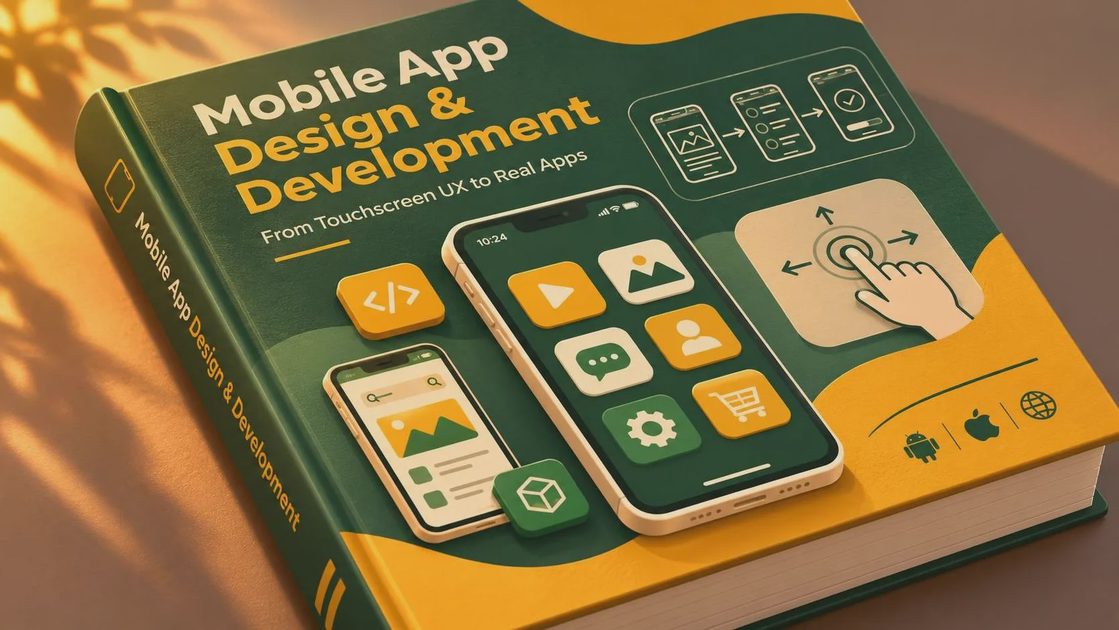
Books about smartphones worth starting with
If you want the design and psychology behind compulsive checking, start with Hooked by Nir Eyal. I would not treat it as a self-help manual, but it is revealing because it lays out the habit loop from the builder’s perspective. Trigger, action, variable reward, and investment are not abstract ideas when you have watched a product team refine them on a screen.
Irresistible by Adam Alter takes a wider look at behavioral addiction and the products engineered to keep us returning. It is especially helpful if your concern is not one app but the general feeling that every spare minute has become available inventory.
The Shallows by Nicholas Carr is older than the current smartphone era, which is part of its value. It asks what networked reading does to concentration and deep thought. Pair it with Stolen Focus by Johann Hari if you want a more contemporary discussion of fractured attention. Read both critically; neither needs to become a personal diagnosis.
For a practical reset, Digital Minimalism by Cal Newport offers a structured approach to deciding which technologies deserve a place in your life. Its strongest idea is not that phones are evil. It is that tools should serve defined values rather than quietly setting your agenda.
How to choose the right book for your problem
The right choice among books about smartphones depends on the discomfort you are trying to understand. If you reach for the phone during difficult work, choose a book about attention and cognitive switching. If you lose evenings to short videos, choose one focused on persuasive design and variable rewards. If family conversations keep dissolving into individual screens, look for writing about presence, boundaries, and shared norms.
Do not buy five titles at once. That turns a reading problem into another acquisition problem. Borrow one from the library, buy a used paperback, or sample the first chapter digitally. Give it a week. Mark the passages that describe your actual behavior, not the ones that merely sound alarming.
A simple test helps. After two or three chapters, can you describe one mechanism, one personal pattern, and one small experiment? For example, you might learn that visible badges prompt checking, notice that you open email whenever a task becomes ambiguous, and move work notifications off your lock screen. That is already more useful than collecting a shelf of books about smartphones you never finish.

Turn reading into a small experiment
Reading about digital habits works best when it changes something observable. Pick one setting and leave the rest alone for seven days. Turn off social notifications, move the browser off your first home screen, or charge the phone outside the bedroom. Keep the experiment narrow enough that you can tell what happened.
Write down the result in plain language. Did you check less often? Did you simply move the same behavior to a laptop? Did the quiet feel relaxing, inconvenient, or strangely empty? There is no correct emotional response. The point is to discover which functions you actually rely on and which ones were filling time by default.
One experiment I return to is permanent grayscale. It does not make the phone unusable, and it will not solve every habit. It does reduce the visual pull of colorful feeds and makes the device feel more like a tool than a toy. For someone else, a scheduled focus mode or a basic alarm clock could create more useful friction.
The best books about smartphones should lead to this kind of observation. They are not commandments. They are lenses. Use one to inspect your routine, then keep the changes that make work, rest, or conversation feel more intentional.
What these books often get wrong
Some books about smartphones describe technology as if every user has the same needs. That is too simple. A remote worker may depend on Slack and two-factor authentication. A hiker may need maps and emergency access. Someone caring for a family member may need to answer calls immediately. Removing a tool can create stress instead of freedom.
Other books lean heavily on dramatic language about addiction. Strong language can attract attention, but it can also make ordinary distraction feel like a character flaw. I prefer a more practical question: what behavior is the device supporting, and what behavior is it displacing?
A phone can be both useful and overused in the same afternoon. I can use mine to navigate to a trailhead, photograph a route marker, and then spend twenty minutes reading a feed I never intended to open. The answer is not a purity test. It is better boundaries around the parts that do not deserve unlimited access.
The one thing I would keep
If you are deciding where to begin with books about smartphones, choose one title that explains attention and one that gives you a method for setting boundaries. Read slowly, test one idea, and ignore any advice that requires you to become a different person overnight.
I would keep the camera, maps, messages from real people, and the ability to look something up when curiosity strikes. I would not keep every badge, autoplay queue, or recommendation engine within arm’s reach. The most convincing lesson from these books is not that you should abandon technology. It is that defaults are design decisions, and you are allowed to redesign your own day.
You need less than you think. Start with one book, one experiment, and one honest look at what your phone is doing when you are not deliberately using it.