The best dumb phones 2026 are not really about rejecting technology. They are about deciding which parts of your phone deserve access to your attention. I have spent years designing apps that make checking, refreshing, and scrolling feel automatic. A simpler phone removes many of those invitations before they reach you. That can be more useful than another productivity system.
Do you actually need a pocket computer for every errand? If the answer is mostly calls, texts, directions, music, and emergency access, a basic phone can cover the essentials while making distraction less convenient. The right choice depends on your carrier, typing tolerance, camera expectations, and whether you need modern messaging features.
What makes a dumb phone worth carrying in 2026
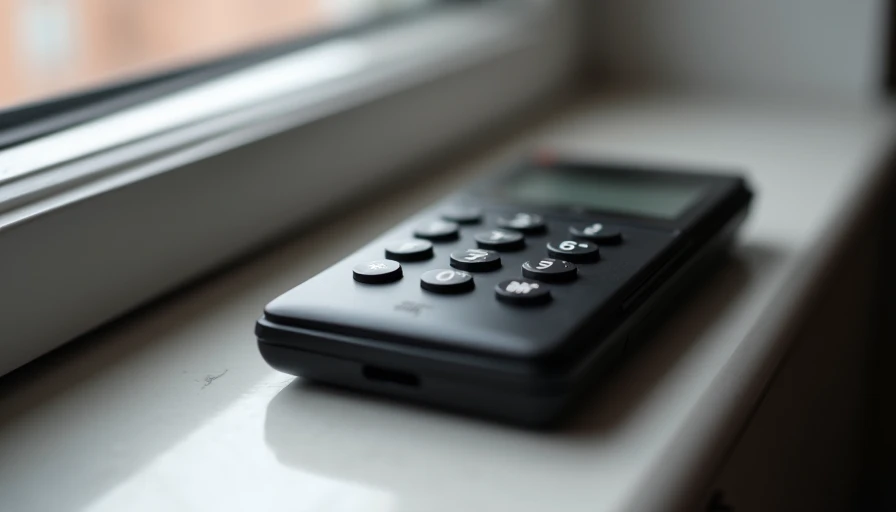
A useful dumb phone should handle the boring fundamentals reliably. It needs dependable LTE or 4G support, clear calls, usable texting, a battery that lasts several days, and a charging port that does not require a proprietary cable. Carrier compatibility matters more than nostalgia. Older 2G and 3G models are poor purchases in the United States because those networks have been retired or reduced.
The best dumb phones 2026 also have a sensible relationship with compromise. A phone with no apps is not automatically better if its keypad makes every text painful or its software drops group messages. Likewise, a device with a basic browser and maps is not a failure if those tools help you leave your smartphone at home. The point is friction in the right places, not suffering for its own sake.
Nokia feature phones remain common because they are inexpensive, familiar, and easy to find unlocked. The Nokia 2780 Flip is a practical example: it offers a physical keypad, a clamshell design, Wi-Fi calling on supported networks, and a modest app environment through KaiOS. It is not distraction-proof, but opening a browser feels intentional rather than reflexive.
The best dumb phones 2026 for different kinds of minimalism
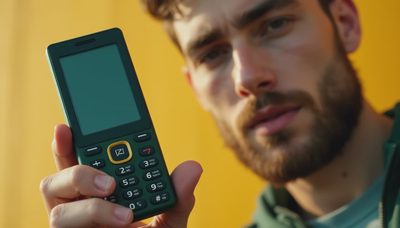
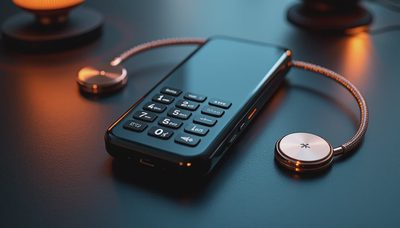
For the cleanest break from smartphone habits, look at the Punkt MP02. It is deliberately narrow in purpose, with calling, texting, contacts, alarms, and a hotspot feature depending on the setup. Its industrial design feels more like a small tool than a shrunken entertainment center. The price is higher than a basic Nokia, often around $300, so you are paying for restraint and design rather than a long feature list.
The Light Phone III takes a different route. It has a simple interface and an e-ink display, but it is not merely a call-and-text brick. Its direction is closer to a thoughtfully limited smartphone, with selected tools such as navigation, music, and notes depending on software support. It is appealing for professionals who still need a few modern conveniences but do not want social feeds, app stores, or bright visual stimulation. Expect to pay considerably more than you would for a conventional feature phone.
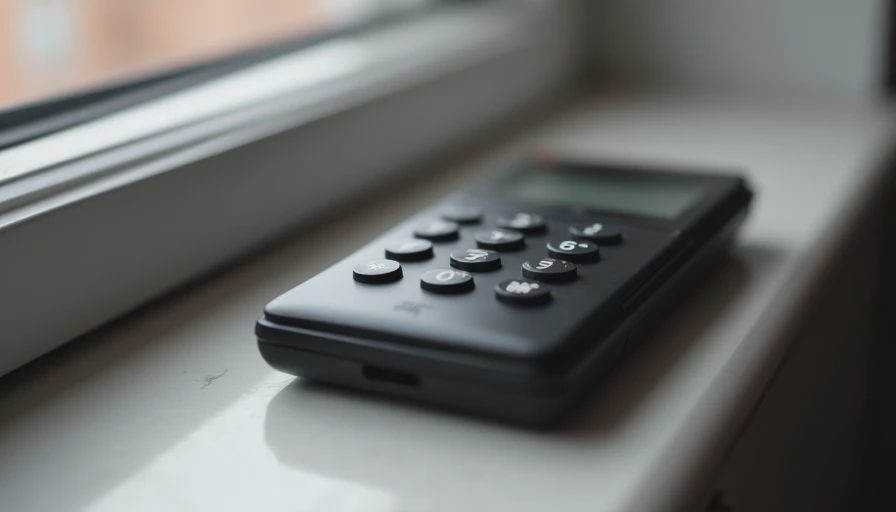
For many people, the best dumb phones 2026 will be a flip phone from a familiar manufacturer. The Alcatel Go Flip line, TCL Flip models, and Nokia 2780 Flip can offer a reasonable middle ground. They are affordable, often available through major carriers, and simple enough that you will not spend an evening customizing them. Their weakness is that software support and carrier availability change, so confirm the exact model number before ordering.
What you give up, and what you get back
The obvious losses are convenience and speed. You will not have every banking app, a polished rideshare experience, a large camera sensor, or instant access to Slack. Two-factor authentication can also become awkward when a service expects an authenticator app. Before switching, write down the five tasks you perform most often on your smartphone and test how each one would work without it.
The gains are quieter. A physical keypad slows texting enough to discourage unnecessary conversation, while a small screen makes a video feed less rewarding. There is no notification badge competing with the task in front of you. On a hike around the Marin Headlands, a basic phone can remain in a pocket for hours because it is available for a call but offers little reason to inspect it every few minutes.
The best dumb phones 2026 should reduce the number of decisions you make. You should not need a special ritual to avoid opening an app. If the app is absent, the choice has already been made. You need less than you think, but you still need the few tools that keep work, travel, and relationships functional.
How to choose without buying twice
Start with your carrier. Search the carrier's compatibility page using the phone's exact model and regional version, not just the product family name. Confirm LTE bands, voice-over-LTE support, Wi-Fi calling, hotspot access, and whether the phone is unlocked. A cheap device that cannot activate is not a bargain.
Next, decide how much texting you do. If you send short messages occasionally, a T9 keypad may be pleasantly limiting. If your work involves long replies, consider a device with a larger touchscreen or keep a smartphone at your desk rather than carrying it all day. Group texts, photos, and voice messages can behave differently on feature-phone platforms, so test them with people you contact regularly.
Then set a realistic budget. Basic Nokia, TCL, and Alcatel models often fall between $30 and $100, while more design-led alternatives can cost $300 to $800. You do not need to spend more to become less distracted. A low-cost flip phone is frequently the better experiment because it lets you learn whether the habit fits before making a larger commitment.
A practical two-phone setup
Many professionals do not need a permanent replacement. They need a different default during specific hours. Keep a smartphone for maps, authentication, camera work, and occasional business travel. Put your SIM card in a simple phone during evenings, weekends, or focused workdays. If moving the SIM is annoying, a low-cost prepaid plan can make the experiment easier.
The best dumb phones 2026 can work especially well as a second device for vacations, conferences, and outdoor trips. Before leaving, download tickets, save addresses, print important reservations, and tell close contacts how to reach you. This removes the anxiety that usually sends people back to an app-filled phone. Carry a small power bank only if your chosen device has unusually short battery life; many feature phones can last several days between charges.
Give the setup two weeks. The first few days may feel strangely empty because your hand expects a reward where none arrives. That is not evidence that the phone is failing. It is information about how often your previous device had become a reflex. After two weeks, note which missing features genuinely mattered and which merely felt familiar.
The one I would keep
For most readers, the best dumb phones 2026 are not the most extreme models. I would start with an unlocked Nokia 2780 Flip or a comparable current LTE flip phone, provided it works with your carrier. It offers enough utility for calls, texts, basic directions, and emergencies without pretending to replace a laptop.
If you want a carefully designed object and can accept a higher price, consider the Punkt MP02 or Light Phone III. Choose those because their limitations match your life, not because a minimalist gadget looks good in a desk photo. The best phone is the one you will actually carry when the smartphone is creating more noise than value. Start small, keep the useful parts, and remove only what you no longer want deciding for you.