Do you actually need this? That is the question I use when testing any phone, especially when searching for the best dumbphone 2026 can offer. You probably still need reliable calls, two-factor authentication, directions, and an occasional photo. You may not need an endless feed, a pocket casino of notifications, or a device that turns every quiet moment into a product opportunity.
I have spent years designing the screens that make smartphones difficult to put down. The mechanism is not mysterious: bright colors attract attention, notifications create uncertainty, and infinite scroll removes the natural stopping point. A dumbphone does not make you a better person. It simply removes several traps from the room. You need less than you think.
What makes a dumbphone good in 2026
The best dumbphone 2026 is not necessarily the phone with the fewest features. It is the phone that handles your actual requirements without quietly rebuilding the smartphone experience. Start by writing down the five things you need most. For many people, that means calls, text messages, hotspot access, navigation, and an alarm. For others, it includes group messaging, podcasts, a camera, or a rideshare app.
Network compatibility comes first. In the United States, choose a phone that supports current 4G LTE bands and voice over LTE. Avoid buying an old 3G model from a marketplace listing, even if the price looks excellent. Carrier support also matters. A phone sold for T-Mobile might not perform the same way on Verizon or AT&T, and an unlocked model still needs compatible bands.
Battery life is another useful dividing line. A simple flip phone can last several days because it is doing less. A minimalist phone with a larger touchscreen and mobile data might need charging every one or two days. Neither result is automatically better. The right choice depends on whether you want a backup phone, a weekend device, or a daily replacement.
The strongest options to consider
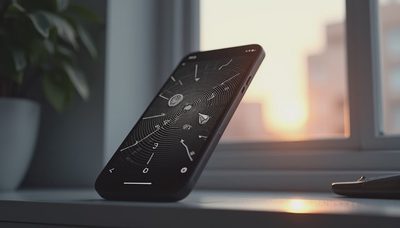
For a polished, intentionally limited experience, the Light Phone III is one of the most compelling candidates for the best dumbphone 2026. It is designed around calls, messages, contacts, an alarm, notes, music, and a small set of practical tools rather than a conventional app store. Its E Ink display is easier to ignore than a colorful OLED panel, although the device is priced more like a premium gadget than a basic phone. That makes it appealing to professionals who want a calmer object, not merely a cheaper one.
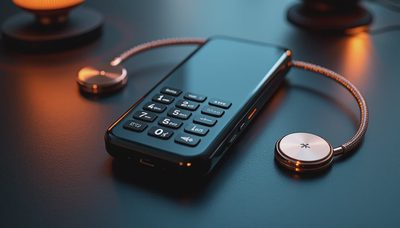
The Punkt MP02 remains interesting if your priority is communication with almost no extras. Its interface is spare, and the tactile design feels deliberate. The tradeoff is equally deliberate: limited features and a learning curve that can make everyday tasks slower. It is a good match for someone who wants friction, because friction is the point. Punkt's newer software direction should be checked carefully before purchase, especially if you expect modern messaging features.
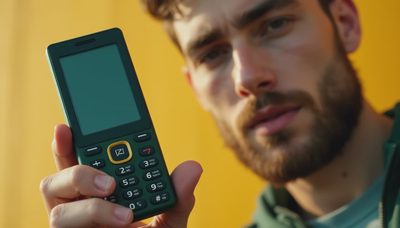
For a more traditional and affordable route, the Nokia 2780 Flip and TCL Flip 2 are practical choices where carrier compatibility lines up. They offer physical buttons, familiar menus, and enough battery life for travel or emergency use. They are less romantic than a minimalist phone, but that can be a strength. A phone that costs around $20 to $80 is easier to carry through a dusty hike, a beach day, or a weekend without treating it like a fragile design object.
Light Phone versus a basic flip phone
The best dumbphone 2026 for you depends on what kind of inconvenience you can tolerate. A Light Phone-style device gives you a calmer interface and more thoughtful tools, but it can cost several hundred dollars. A basic flip phone is inexpensive and familiar, yet predictive text, group conversations, and contact management can feel clumsy after years with an iPhone or Android device.
Consider a normal Tuesday rather than an idealized retreat. You leave home at 7:30 a.m., need transit directions, receive a work-related text, and meet a friend across town. If you rely on Google Maps every day, a basic flip phone could create enough friction that you switch back within a week. A minimalist smartphone with maps, tethering, and music might be the better compromise. If you commute along a known route and mainly want fewer interruptions, the flip phone probably wins.
There is also the issue of group messaging. Some basic phones handle SMS groups poorly, especially when an iPhone group chat becomes a mixture of SMS and multimedia messages. Before buying, ask the people you communicate with most whether they can use ordinary text messages or another supported service. A small inconvenience is manageable; a broken family or work communication loop is not.
What to check before ordering
First, confirm the exact model number and carrier bands. Do not rely only on a product title that says unlocked. Insert your SIM or use an eSIM only if the phone supports your carrier's activation process. Then confirm that voice over LTE works, since it is essential on modern networks.
Next, inspect the return policy. A phone can look perfect on paper and still fail your routine because of slow typing, weak speaker volume, or an awkward charging port. Give yourself enough time to test calls in a noisy street, texts with punctuation, battery drain overnight, and reception in the places you normally visit.
Check the practical details people often skip. Can it share a hotspot? Does it support contact imports? Is the charger USB-C or an older connector? Can you set multiple alarms? Does it have a usable camera, or is the camera merely listed as a specification? The best dumbphone 2026 should reduce decisions, not create a new maintenance project.
A realistic transition plan
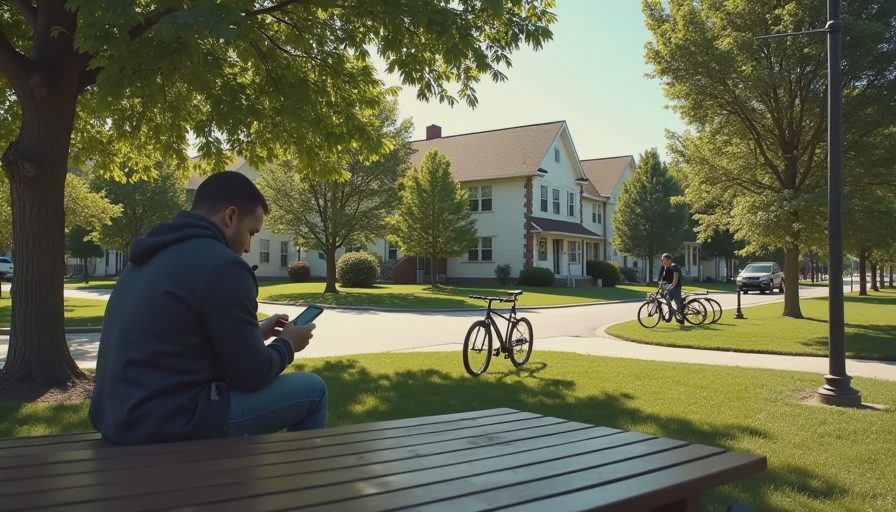
Moving directly from a full smartphone to a limited phone can be jarring. I prefer a two-week transition. During the first week, keep your smartphone at home and carry the candidate phone for errands, walks, and meals. Write down every moment when you reach for an app. Separate genuine needs from habits. Needing a boarding pass is different from wanting to check a social feed while waiting for coffee.
During the second week, solve only the problems that repeat. Print a transit map if navigation is the issue. Move authentication codes to a hardware security key where practical. Tell close contacts that you are changing phones. Keep the smartphone available for banking, work systems, or travel until you have a reliable process.
This experiment also tells you which category you need. If you repeatedly miss maps, podcasts, or authentication tools, choose a minimalist smartphone. If you mostly miss stimulation, a cheaper flip phone will create a cleaner boundary. Neither result is failure. It is useful information about your life rather than a test of discipline.
My recommendation for different buyers
For the calmest premium experience, I would start with the Light Phone III, provided its feature set and carrier support match your routine. For the lowest-cost experiment, I would look at the Nokia 2780 Flip or TCL Flip 2 after verifying compatibility. For someone who wants an intentionally severe device and accepts limitations, the Punkt MP02 remains distinctive. These are different tools, not ranked steps on a purity ladder.
A good purchase should also survive the boring parts of life: charging, contacts, emergency calls, travel, and a forgotten password. Avoid buying a phone simply because a review calls it minimalist. Buy it because its limitations solve a specific problem you have.
The best dumbphone 2026 is the one you can use without constantly wishing it were something else. If you need maps and music, keep them. If you only need calls and messages, do not pay for a miniature computer. I would keep the phone that makes a quiet afternoon feel ordinary again, then leave it in my pocket and go outside.