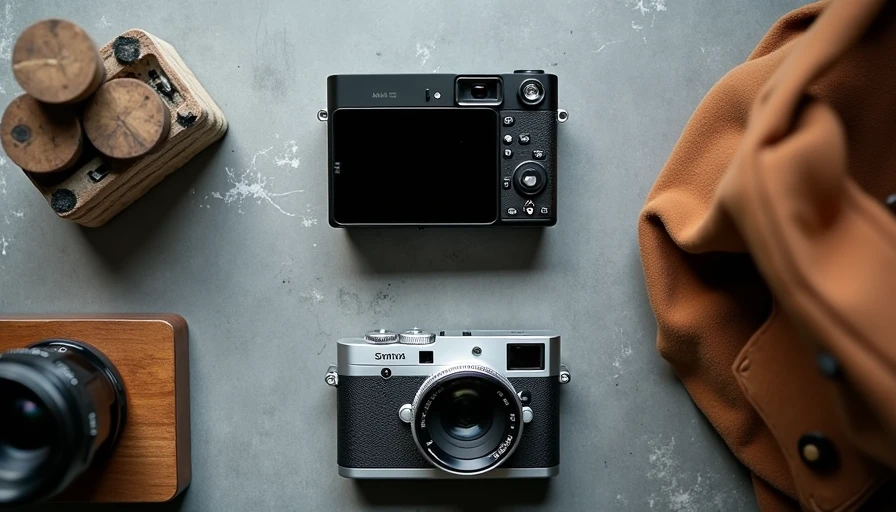
I used to own a $1,200 digital camera that did almost everything well. High resolution, fast autofocus, excellent low-light performance, a screen that showed me exactly what I was getting. It was a capable tool. I took it on trips, on walks, and occasionally on the kind of outings where I told myself I was “going to make photographs.”
Most of the time it stayed in the bag.
Two years ago I bought a used 35mm rangefinder for about twenty dollars. It has no meter, no autofocus, no screen, and a lens that would be considered modest by modern standards. It has been the camera I actually carry.
What the Expensive Camera Got Right
The digital camera was better at almost every measurable technical task. It produced cleaner files. It focused faster. It let me review the image immediately and correct mistakes on the spot. For work that required reliability and volume, it was the rational choice.
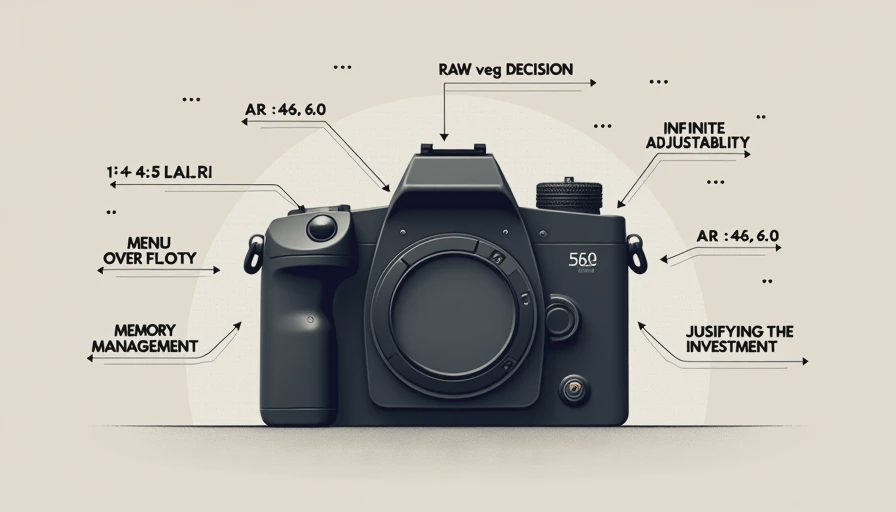
The problem was not capability. The problem was that capability came with weight, decision fatigue, and a subtle pressure to justify the investment. When a camera costs that much and does that much, leaving it at home feels like waste. Taking it out often turns into a small production: settings, batteries, memory cards, the knowledge that every frame can be endlessly adjusted later.
I started leaving it behind more often than I used it.
What the Cheap Rangefinder Changed
The twenty-dollar rangefinder does less, and that is the point.
It forces a slower process. You estimate distance or use the rangefinder patch. You set aperture and shutter by experience or a simple external meter. You cannot see the result until the film is developed. Every frame costs a small amount of money and time. That cost changes behavior.
I carry it because it is light and unobtrusive. I use it because the limitations remove a layer of hesitation. There is no chimping, no endless review, no temptation to keep shooting until the “right” version appears on a screen. You make the picture and move on.
The photographs are not technically superior. Many are imperfect. Exposure is sometimes off. Focus is sometimes soft. Yet the hit rate of pictures I actually care about has been higher than with the more expensive camera. The constraint seems to improve attention.
The Real Difference
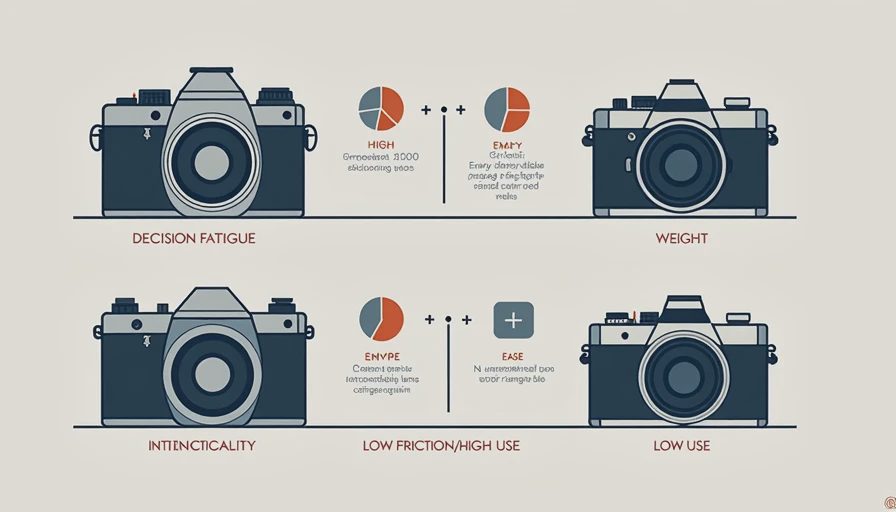
The expensive camera optimized for results. The cheap rangefinder optimized for use.
One made it possible to get a high-quality image in almost any situation. The other made it more likely that I would be in the situation with a camera in my hand. For the kind of photography I actually do—walking, noticing, recording ordinary light and ordinary places—the second outcome matters more.
I still own the digital camera. It comes out when I need its specific strengths. The rest of the time it stays on the shelf. The rangefinder lives in a jacket pocket or a small bag and goes with me by default.
Who This Is For (And Who It Is Not)
If your work depends on high resolution, fast turnaround, or consistent technical quality under pressure, a capable digital camera remains the better tool. The twenty-dollar rangefinder will not replace it.
If you want a camera that gets used rather than merely owned, the equation changes. Lower cost, lower capability, and higher friction around each frame can produce more actual photographs than a device that removes every obstacle.
The value is not in the nostalgia of film or the romance of old equipment. The value is in the behavioral change that limited tools sometimes create.
You need less than you think. Sometimes the less capable tool is the one that earns its place.