
Do you actually need a Sidio crate, or do you need to stop buying containers for things you rarely use? I approached it with the same suspicion I bring to most “essential” gear. A storage product can look calm and organized while simply giving clutter a better apartment. The Sidio crate is interesting because it sits between a basic plastic milk crate and a full modular storage ecosystem. It is built for people who want equipment to stay contained, accessible, and presentable in a car, closet, garage, or workroom.
My first impression was less about the object itself and more about the behavior it invites. A loose collection of camera batteries, trail snacks, charging cables, and small tools tends to spread across a trunk or shelf. A well-shaped crate gives those items a boundary. That sounds minor, but boundaries are often the difference between a kit you use and a pile you avoid.
What the Sidio Crate is trying to solve
The Sidio crate is best understood as a portable zone rather than a generic box. You assign it a job: film photography, hiking, roadside supplies, gym equipment, or the constantly changing items that need to leave the house with you. That fixed purpose matters. If a container is responsible for everything, it quickly becomes a junk drawer with handles.
The design also makes more sense when you think about transitions. A driver can lift one container from a shelf and place it in a vehicle without repacking every item. A photographer can keep a light meter, film, cables, and small accessories together instead of scattering them through a desk drawer. The useful feature is not storage capacity by itself. It is the reduction in small decisions.
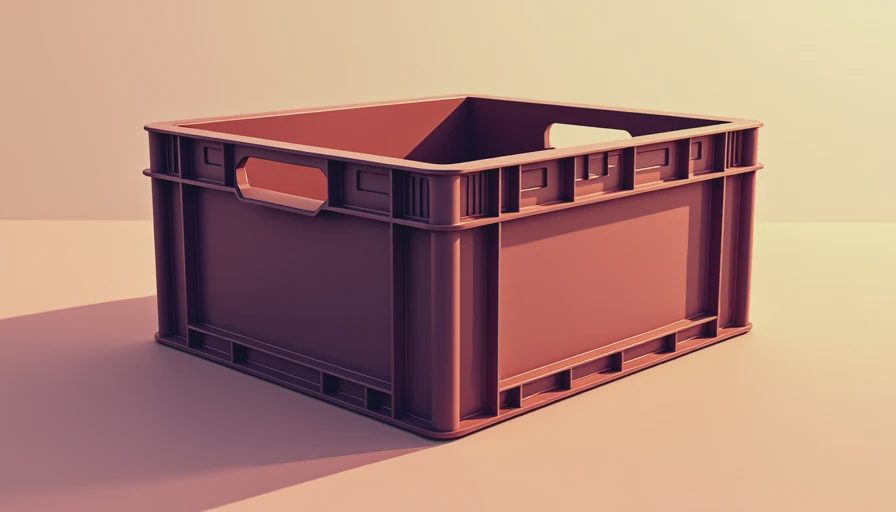
That is where the Sidio crate feels more considered than a supermarket crate. A cheap crate is fine for hauling laundry or moving books. It is less satisfying when you want predictable compartments, clean stacking, and a container that does not look temporary. The Sidio approach is aimed at repeatable routines, not emergency storage.

Where the Sidio Crate earns its space
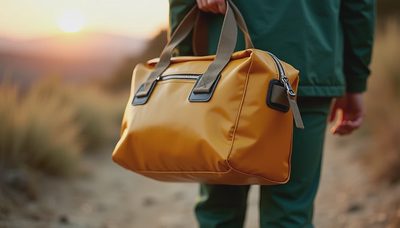
The strongest use case is a mobile kit. I can imagine keeping one configured for a weekend in Marin: a rain shell, water bottle, headlamp, first-aid pouch, and snacks. Another could hold a film camera, spare rolls, lens cloths, and a small notebook. The point is not to own a separate crate for every hobby. The point is to make one recurring activity easier to start.
It is also useful in a small apartment where storage has to do double duty. A crate can sit on a closet shelf during the week, then move to the car on Saturday. That flexibility is more valuable than an enormous organizer that stays permanently in the trunk. If you live in a city and do not have a garage, portability becomes a design feature rather than a convenience.
The Sidio crate makes the most sense when the contents are irregularly shaped but still belong together. Soft bags, cables, tools, and outdoor equipment do not always fit neatly in drawers. A crate gives them a common home without forcing every object into a custom slot. I prefer that approach to hyper-specific organizers because my gear changes over time.
There is a psychological benefit, too. When the container is easy to carry, putting things away takes one movement instead of ten. That sounds like a tiny improvement, but tiny friction determines whether a routine survives a busy week. A container that saves thirty seconds repeatedly can earn its footprint.
What it does not fix
The Sidio crate will not make excess gear disappear. If you own three nearly identical headlamps, four unused adapters, and a bag of mystery cables, placing them into a handsome container only hides the decision. I would empty the proposed kit on the floor first, remove duplicates, and assign every remaining item a clear purpose.
Capacity can also become a trap. A large container encourages you to fill it because empty space feels inefficient. That is the same behavioral loop behind oversized closets and expandable digital storage. Start with the smallest configuration that handles your real kit. If the crate is half empty after a month, that is useful information, not a problem to solve with more accessories.
The other limitation is cost. A basic plastic crate can handle many of the same chores for far less money. You are paying for a more deliberate system, better presentation, and the possibility of fitting the container into a broader setup. Those benefits are real only if you use the crate frequently. A rarely opened storage box is still rarely opened, regardless of how polished it looks.
A practical setup for a car or apartment
I would begin with one Sidio crate, not a stack. Pick a category that currently causes the most friction. For me, that would be a photo-and-hike kit because those items often migrate between a desk, backpack, and trunk. Remove anything that belongs in the car permanently, such as emergency equipment, and keep the crate focused on items that travel in and out.
Next, put the heaviest objects at the bottom and the things you reach for first near the top. Keep small items in pouches rather than allowing them to become loose filler. A simple label on the front can help if the container lives on a shelf, although labeling every object turns a calm system into a maintenance project.
After two or three outings, look at what stayed untouched. That item may belong somewhere else. Also note what you repeatedly searched for. That is a signal to change the layout, not necessarily to purchase an insert. The best storage system is usually the one that adapts to your actual behavior.
Is the Sidio Crate worth buying?
The Sidio crate is worth considering if you regularly move the same group of objects between rooms, vehicles, or activities. It is especially compelling for a small home, a shared garage, or a trunk that needs to serve several purposes. The value comes from making a useful kit visible and portable without making it feel chaotic.
I would skip it if you want a general-purpose box, need the absolute lowest price, or are hoping storage will solve an organizing problem you have not yet defined. In those cases, use a cardboard box or inexpensive crate for a week. If the category keeps returning and the temporary solution annoys you, then a better container has a job to do.
Compared with a soft tote, the Sidio crate should be easier to stack and quicker to grab. Compared with a conventional hard case, it should feel less precious and more flexible. That middle ground is the reason to look at it. You get a stable home for loose equipment without committing every item to a permanent, custom layout.
The one thing I would keep
The one thing I would keep is the idea of a single departure kit: one container that holds the objects I need before leaving for a specific kind of day. It removes the small scavenger hunt that makes hobbies feel like chores. The Sidio crate is a tool for that idea, not the idea itself.
You need less than you think. Before ordering, define the kit, count the items, and test the routine with whatever container you already own. If the routine survives, the Sidio crate can make it cleaner and easier to repeat. If it does not, no premium organizer will rescue it. That is a useful answer too.