
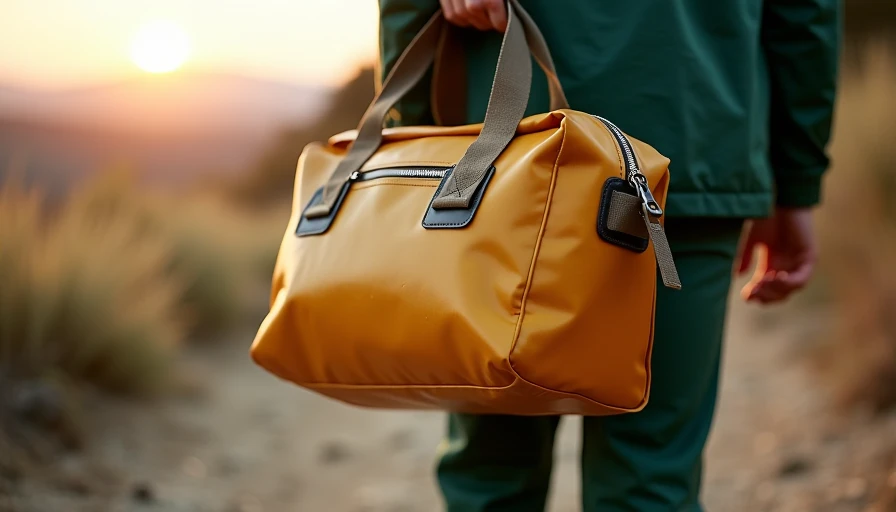
Do you actually need WP bags, or have you simply encountered another product category with a vague name and excellent product photography? I ask because the label can point to different materials, makers, and use cases. Before buying one, I would want to know what problem it solves, how it carries after a full workday, and whether a bag already in your closet handles the same job.
I look at carry gear the way I look at apps: remove the marketing layer and inspect the mechanics. A $30 sling that keeps your phone and keys in fixed places can be more useful than a $180 backpack with twelve empty pockets. WP bags deserve the same test. You need less than you think, but the right bag can still make daily movement calmer.
What are WP bags supposed to do?
The first issue is that WP bags is not a universally precise product term. In one listing, WP may refer to a brand or product line. In another, it can suggest water protection, a technical fabric, or a model abbreviation. That ambiguity is not automatically a problem, but it means the listing needs careful reading. Look for the actual material, dimensions, closure system, capacity, country of manufacture, and warranty rather than relying on two initials.
A useful bag has a clear job. A compact crossbody might hold a phone, wallet, sunglasses, keys, and a small power bank. A commuter backpack could add a 13-inch laptop, charger, notebook, and light jacket. A tote may be better for groceries or a camera, especially when quick access matters. If WP bags are presented as doing all three jobs equally well, be skeptical. Versatility often means extra straps, loose compartments, and a shape that is mediocre at everything.
The practical details matter more than the name. Check whether the zipper opens far enough to see the bottom, whether the strap adjuster slips, and whether the bag stands upright when set down. Those small interactions decide whether you use it every day or abandon it beside the door.
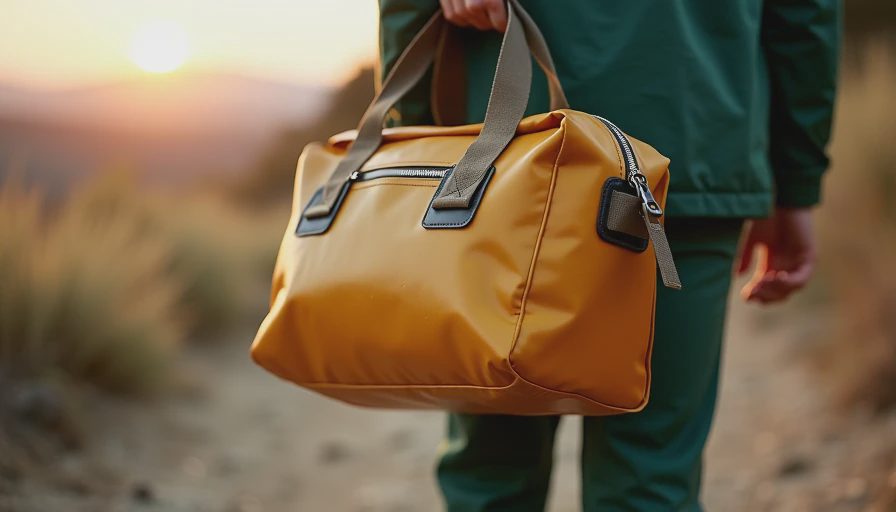
Do WP bags earn their space?
My default question is not whether WP bags look good in a product photo. It is whether they earn space in your home and attention in your routine. Empty storage is still storage, and a bag with a separate pocket for every imaginary object can encourage overpacking.
Try a five-minute inventory. Put your daily essentials on a table: phone, wallet, keys, glasses, headphones, charger, notebook, water bottle, and any medication. Remove the items you carry only because the current bag has room. Then measure the remaining pile. A small bag should be judged against that real pile, not against a fantasy weekend, emergency office, or spontaneous airport transfer.
For a screen-heavy workday, I would prioritize a soft strap, low weight, quiet zippers, and one protected section for electronics. A photographer may need padding and a fast camera opening. A hiker needs weather resistance and a stable fit. Those are different requirements. WP bags make sense when their construction matches your most common day, not your most elaborate one.
Materials, weather resistance, and durability
Water resistance is one of the easiest features to oversell. A coated nylon shell and covered zipper can handle a short walk through drizzle. That does not necessarily make a bag waterproof during sustained rain or safe for a laptop in a downpour. Look for specific language about sealed seams, zipper construction, fabric denier, and testing. If the listing only says “water resistant” without explaining the build, treat it as basic weather protection.
Materials also affect how the bag feels after months of use. Ballistic nylon is tough but can feel structured and formal. Ripstop nylon is light and packable, though thin versions may not protect fragile equipment. Waxed canvas develops a distinctive patina but can be heavier and less predictable in wet weather. Leather looks considered and often ages well, but it adds weight and usually costs more.
For WP bags, I would inspect the stress points first: strap anchors, handle stitching, base seams, and zipper ends. A beautiful fabric cannot rescue weak attachment points. If you carry a laptop, place it in the bag and lift it by the main handle. A little flex is normal; visible strain around the stitching is a warning.
Capacity is not the same as comfort
Manufacturers often advertise capacity in liters, but liters do not tell you how a bag feels against your body. Two 12-liter bags can carry very differently. One may be tall and narrow, while another spreads weight across your back. Measure your largest device and compare it with the interior dimensions, including the zipper opening. A listed 15-inch laptop compartment may fit only a slim model without a case.
With WP bags, pay attention to the contact points. A crossbody should not cut into your neck when loaded. A backpack needs straps wide enough for its intended weight and a back panel that does not turn a normal commute into a sweaty one. If the bag has a sternum strap, use it when walking farther than a block; it can reduce shoulder movement and make a loaded pack feel more stable.
I also prefer one main compartment and two or three purposeful pockets. More organization sounds efficient, but tiny compartments create a second task: remembering where each object belongs. A simple layout lets you reach in, find the shape you recognize, and leave without rearranging your life.

How I would compare WP bags with alternatives
Start with the bag you already own. Empty it completely, clean it, and test it for one ordinary week. Write down every irritation instead of browsing immediately for a replacement. Maybe the zipper catches, the strap slides, or the laptop sleeve steals too much room. Those observations become a buying brief.
Then compare WP bags with three straightforward alternatives. A basic canvas tote can cost $20 to $60 and works well for flexible loads, but it offers little security or structure. A reputable commuter backpack often falls between $80 and $220, with better weight distribution and laptop protection. A compact sling may cost $35 to $120 and is excellent for essentials, but it becomes uncomfortable when overloaded.
The expensive option is not automatically the calmer one. Brands such as Bellroy, Patagonia, Tom Bihn, and Aer each approach organization and materials differently, but a brand name cannot decide your daily capacity. Compare dimensions, return policies, repair support, and actual carry weight. A bag that costs $70 and gets used five days a week can be a better purchase than a $200 model that stays in a closet.
A low-regret buying test
Before purchasing WP bags, save the product page and wait until the next morning. On a sheet of paper, write the one problem the bag must solve. “I want a more elevated lifestyle” is too vague. “My current crossbody cannot fit sunglasses and a battery without bulging” is useful.
When the bag arrives, test it indoors with your real objects. Walk for ten minutes. Sit at a desk. Place it under a cafe chair. Open every zipper with one hand. Check whether the lining catches on your charger and whether the strap hardware lands against your ribs. Keep the tags attached until you know the fit works.
A return window is not a challenge to rationalize. It is part of the evaluation. If WP bags require a special arrangement of objects to feel useful, that arrangement probably will not survive a busy Tuesday. Choose the bag that makes your existing routine easier, not the one that creates a new hobby of packing.
My answer: do you need WP bags?
You may need this category if your current carry has a specific failure: poor weather protection, uncomfortable weight distribution, missing device protection, or no secure place for essentials. In that case, define the repair and buy only enough capacity to address it.
You probably do not need WP bags if you are responding mainly to a styled photo, a limited-time discount, or the feeling that a new object will reset your workday. A quieter solution might be removing half the items from your current bag, replacing a damaged zipper, or using a small pouch inside what you already own.
The one thing I would keep is a compact, durable bag with a comfortable strap, one protected pocket, and no unnecessary ceremony. That design solves real friction without asking for a new identity. You need less than you think; when the need is genuine, the best bag is the one that disappears into the day.