Do you actually need an icepod, or do you need a better way to stop buying wellness equipment after one enthusiastic Sunday? I ask because I have made this exact mistake with gadgets. A product looks clean, purposeful, and slightly life-changing in a product photo. Two weeks later, it occupies the corner of the apartment while I step around it on the way to the laundry.
The icepod is a portable cold-plunge tub designed to hold cold water and ice for at-home immersion. It is simpler than a hard-sided plunge pool and less expensive than a full cold-plunge system with a dedicated chiller. That simplicity is the appeal. There is no app, subscription, glowing display, or progress dashboard asking you to maintain a streak. You fill it, cool it, use it, and empty it.
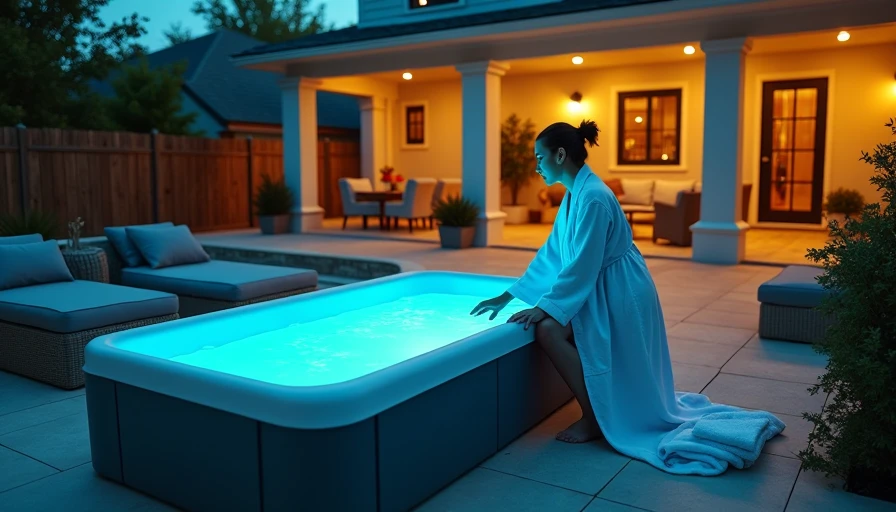
That also means the real question is not whether the icepod looks good in a patio photograph. It is whether you will tolerate the preparation, cleaning, cold, and storage after the novelty wears off.
What the icepod is actually for
An icepod is best understood as a large insulated container for cold-water immersion, not a medical device or a magical recovery machine. Depending on the configuration and seller, the setup can include a tub, cover, drain fittings, and some form of insulation. A separate chiller, thermometer, pump, or filtration system may be needed if you want a more controlled and permanent installation.
That distinction matters. A tub that relies on bags of ice gives you a low-tech ritual. A chiller gives you convenience but adds cost, electricity, plumbing considerations, and another machine to maintain. The basic icepod is appealing precisely because it avoids turning a simple habit into a home infrastructure project.
The practical use case is narrow but real: you finish a workout, spend several minutes in cold water, drain or refresh the tub, and move on. If you want a compact alternative to a built-in plunge pool, it can make sense. If you want perfectly stable water temperature with almost no maintenance, the entry-level format will feel unfinished.
Setup, space, and the maintenance tax
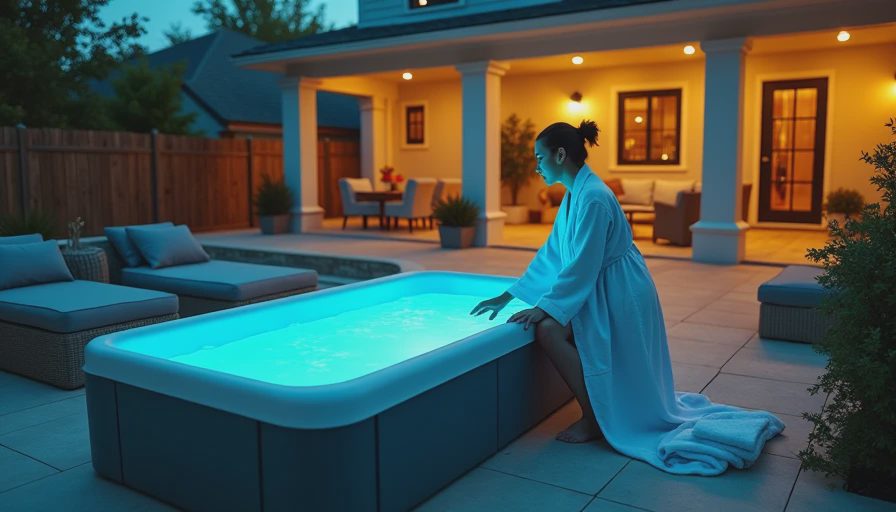
The icepod needs more space than its product photos suggest. You need room to climb in safely, enough clearance to remove the cover, and a drain location that will not flood a basement, balcony, or neighbor's patio. A flat surface is important because a full tub of water is extremely heavy. Do not place it on an elevated deck without confirming that the structure can handle the load.
Cold water also becomes a cleaning problem. Leaves, dust, sweat, and body oils accumulate quickly, especially when several people use the same tub. A cover helps, but it does not replace cleaning. Plan on rinsing the interior, monitoring water quality, and changing the water regularly. If you add a chiller or filtration system, follow that equipment's maintenance instructions rather than treating the tub like a sealed pool.
This is where many cold-plunge purchases quietly fail. The first session is an event. The tenth session involves carrying ice, checking the water, and wondering whether you have time before a morning meeting. The icepod does not hide that work behind automation, which is honest but not always convenient.
The design is deliberately boring
As a product designer, I appreciate what the icepod does not try to do. There is no colorful interface encouraging you to record your coldest temperature. There is no social feed for comparing endurance. There is no notification telling you that your streak is in danger. The object stays out of the way until you decide to use it.
That restraint is valuable. Wellness products often turn a physical practice into a software loop: badges, reminders, rankings, and tiny rewards that make the tool feel necessary. Sometimes those features help. More often, they create another system to manage. With the icepod, the decision is physical and immediate. Is the water ready? Do you have ten quiet minutes? Are you willing to get in?
The materials and finish matter more than an app would. Look for a stable frame, reinforced seams, a usable drain, and a cover that does not become annoying after repeated handling. Read current specifications carefully because different versions and bundles can change. A lower price can simply mean fewer accessories, not a better deal.

Does cold immersion deliver enough value?
Cold exposure can feel energizing, and many people enjoy the alertness that follows a brief plunge. It can also become a useful boundary between work and recovery. I understand the appeal after a long day of screens: stepping away from notifications and focusing on breathing is a very direct sensory reset.
But the icepod should not be sold as a guaranteed treatment for soreness, stress, fat loss, or mental health. Evidence and individual responses vary, and intense cold is not appropriate for everyone. People with cardiovascular conditions, circulation problems, uncontrolled blood pressure, or other medical concerns should speak with a qualified clinician before trying cold immersion. Never treat discomfort, numbness, dizziness, or chest pain as a toughness test.
For a healthy adult who already enjoys cold showers or outdoor swimming, the tub may make the routine easier to repeat. For someone hoping a purchase will create motivation from nothing, it is a costly container waiting for a habit that has not been built yet.
icepod versus a chiller-based system
The basic icepod wins on entry cost, portability, and conceptual simplicity. A few bags of ice can get you started, and you can move the tub when your living arrangement changes. That can be useful for renters or anyone who does not want to commit several thousand dollars to a permanent installation.
A chiller-based system wins on consistency. You set a target temperature, reduce the need for repeated ice purchases, and spend less time preparing the water. The tradeoff is a higher total price, more noise, more maintenance, and a larger footprint. A home-built stock-tank setup can cost less, but it requires more research and may have rougher edges around sanitation and drainage.
For occasional use, the icepod is the more reasonable experiment. For daily use by multiple people, paying for better temperature control and filtration could be more economical over time. The right comparison is not just purchase price; include ice, replacement parts, cleaning supplies, electricity, and your own time.
My buying test for the icepod
Before ordering an icepod, run a seven-day test without buying anything. Take a cold shower at a consistent time, leave your phone outside the bathroom, and write down whether the practice improves your day or merely makes you feel accomplished for five minutes. If you skip most sessions, a tub will not solve the underlying problem.
If you complete the test, measure the intended location and plan the drain route. Price the ice for a month, not one session. Confirm the return policy, warranty language, included fittings, and compatibility of any optional chiller. A $200-looking purchase can become a $500 project once accessories and recurring supplies enter the picture.
The icepod is a sensible tool for a specific person: someone who already wants cold immersion, has a safe place to put the tub, and values a low-tech setup. It is not a shortcut to discipline, recovery, or a calmer life. You need less than you think. In this case, I would keep the icepod only if the ritual itself sounds appealing after the novelty is removed. Otherwise, start with cold water you already have and keep the money for the next thing you will actually use.