Do you actually need Kyrgies slippers? I asked myself that on a gray San Francisco morning, standing at my desk in socks while the floor felt colder than it looked. The answer is not automatically yes. Kyrgies slippers are appealing because they solve one small, physical problem without adding an app, charger, or another object demanding your attention. After wearing them around the apartment, I think they make sense for a particular kind of homebody: someone who wants warm feet, a quiet material, and a pair of house shoes that does not look over-designed.
What Kyrgies slippers are really selling
The main idea is straightforward. Kyrgies slippers use felted wool as the central material, giving them a soft, dense texture that feels warmer and less synthetic than fleece-lined foam footwear. The design language is similarly restrained: muted colors, uncomplicated shapes, and enough structure to feel like a real shoe rather than a sock with a sole attached.
That simplicity is the point. A pair generally costs more than basic department-store slippers, often landing in the approximate $60 to $100 range depending on the style and current pricing. You are not paying for electronics, orthopedic claims, or a complex feature set. You are paying for material, construction, and a product that is pleasant to see beside the bed.
I understand the appeal because I have made the same mistake with desk equipment: buying a more elaborate solution to a small discomfort. Kyrgies slippers go in the opposite direction. They are a single-purpose object. Put them near the door, slide your feet in, and stop thinking about them.
The wool also brings a different feel from polyester plush. It is warm without being aggressively padded, and the texture has enough natural character that minor variations do not make the pair feel cheap. If your ideal slipper is cloudlike and oversized, these may feel too composed. If you want something closer to a simple indoor shoe, the restraint works.
Comfort, fit, and the first week
The first thing to get right is sizing. Wool slippers can feel snug when new, and the fit may change slightly as the material settles with use. Do not assume your regular sneaker size will translate perfectly, especially if you wear thick socks or prefer room around your toes. Measure your foot and compare it with the current size guidance before ordering.
Kyrgies slippers tend to work best when worn barefoot or with thin socks. That lets the wool conform to your foot and preserves the easy, low-profile feeling. With heavy hiking socks, the interior can become crowded. I noticed this most when moving between a warm office and a cold kitchen: the slippers felt comfortable until I added a second layer, then the same pair suddenly seemed smaller.
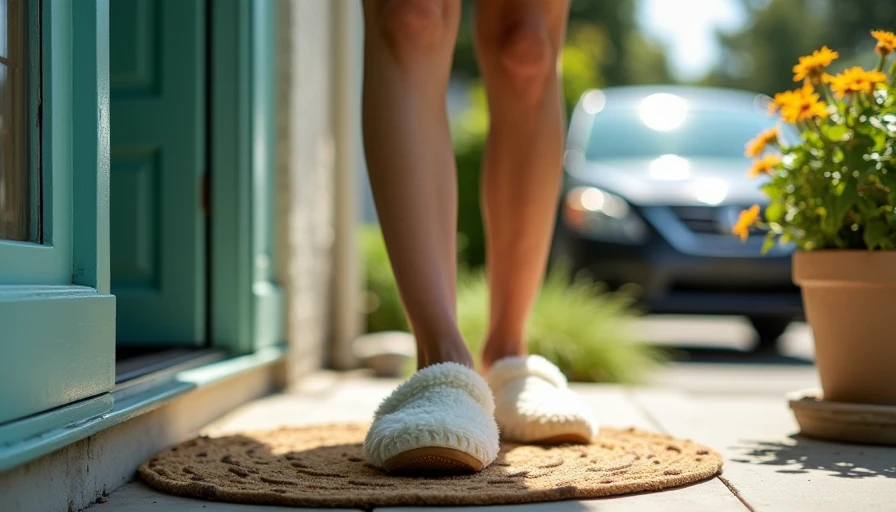
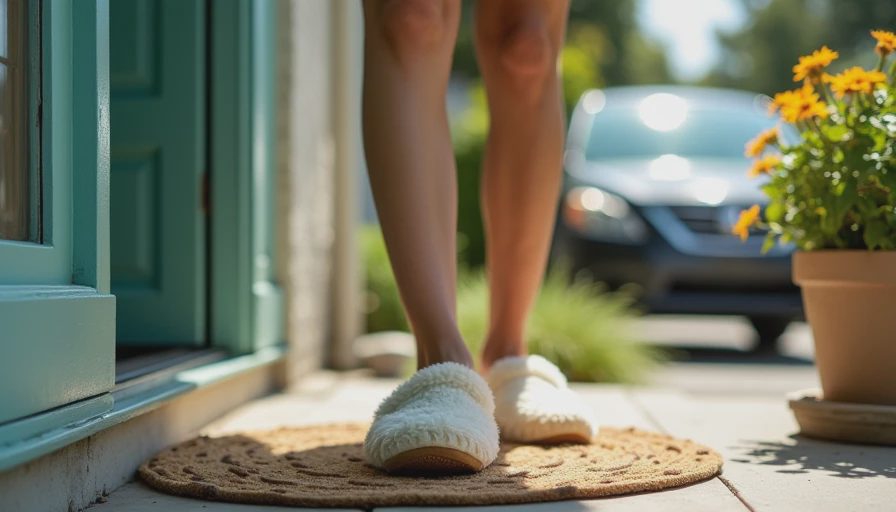
The sole matters as much as the upper. A house slipper should let you walk to the mailbox, take out recycling, or cross a damp entryway without immediately becoming an indoor-only liability. Look for the specific sole construction of the style you want, since not every model is intended for the same amount of outdoor use. Even with a more durable sole, I would not treat these as walking shoes. They are for short transitions, not a Marin Headlands hike.
Support is moderate rather than corrective. If you need substantial arch support, a deep heel cup, or a medical insert, Kyrgies slippers are probably not the right tool. They provide comfort through warmth and a close fit, not through the structured geometry found in recovery sandals or supportive house shoes.
How they compare with familiar alternatives
The obvious comparison is the standard foam-and-fleece slipper from a large footwear brand. Those options often feel softer immediately and can provide more cushioning for the money. They also tend to look bulkier and may rely on synthetic materials that hold onto heat in a different way. Kyrgies slippers feel more tactile and less like indoor athletic shoes.
Ugg-style slippers occupy another category. They are plush, substantial, and often built for someone who wants a luxurious feel. Kyrgies slippers are quieter and lighter. They do not create the same padded, hotel-room sensation, but they also take up less visual space under a desk.
A simple wool sock is the minimalist alternative. If your floors are warm and you only want insulation, socks are cheaper and easier to store. They stop being enough when you need grip, a little protection, or something you can step into without bending down. That small convenience is where a dedicated pair earns its shelf space.
There is also the old rubber clog or recovery slide. Those are more practical for wet patios and quick outdoor errands, but they can feel cold in winter and visually loud in a quiet room. Kyrgies slippers occupy the narrow middle: warmer than a slide, less cushioned than a foam clog, and more intentional than socks.

Care, durability, and the ownership question
Wool rewards basic care rather than constant intervention. Let the slippers air out between wears, keep them away from unnecessary moisture, and follow the brand's cleaning instructions instead of tossing them into a hot wash cycle. Heat and agitation can change the shape of felted wool. A spot clean and patient drying routine is usually safer than treating them like towels.
The useful durability test is not whether they look perfect after a month. It is whether they remain the pair you reach for. If the sole begins separating, the interior flattens quickly, or the opening stretches enough to make walking awkward, the purchase has not earned its place. On the other hand, slight pilling or surface variation is normal for wool and does not automatically mean the slippers are failing.
I would also consider your floor plan. In a small apartment with hard floors, the value is obvious: one pair can replace socks, slides, and the habit of walking barefoot over cold surfaces. In a carpeted home where you rarely feel the temperature change, the improvement is smaller. The best product reviews are often environment reviews. A good object in the wrong home is still clutter.
Who should buy Kyrgies slippers?
Buy them if you want a warm, low-profile house shoe made from a natural-feeling material and you appreciate products that do one job without decorative noise. They are especially sensible for remote workers, apartment dwellers, and anyone whose morning routine includes moving between a desk, kitchen, and front door.
Skip them if you need strong arch support, frequent wet-weather performance, or maximum cushioning. A structured indoor shoe, rubber clog, or supportive slide will serve those needs better. Also skip them if you are mainly attracted to the aesthetic but already have a comfortable pair you use every day. Minimalism is not buying the less complicated version of an unnecessary object.
For me, Kyrgies slippers pass the ownership test because they remove a recurring friction point. I do not need to think about whether my socks are thick enough or whether the floor is cold. They stay beside the desk, and I put them on automatically. That is useful, but it is not transformative.
The quiet verdict
Kyrgies slippers are a thoughtful buy when comfort means warmth, simple materials, and a slipper that does not announce itself. They are not the softest, most supportive, or most versatile option available. Their strength is narrower: they make ordinary indoor movement feel a little better while adding very little visual or mental noise.
You need less than you think. If your current house shoes work, keep using them. If you are filling the gap with cold socks, worn-out slides, or bare feet on hard floors, Kyrgies slippers are one of the rare purchases that can earn their space through daily repetition. I would keep the simple felted style, choose the size carefully, and avoid expecting it to become an outdoor shoe. That is enough.