Do you actually need this? That is the question I bring to almost every object that lands on my desk, including the soma water bottle. I tested it as a daily companion rather than a lifestyle prop: beside a grayscale phone, in a backpack on the Marin Headlands, and next to a laptop during long design reviews. The short version is simple. It is a pleasant, well-considered bottle with one meaningful feature, but it does not turn drinking water into a new hobby.
What the Soma water bottle is trying to solve
The soma water bottle is built around a glass body and a replaceable water filter. That combination addresses two ordinary annoyances at once: the taste of treated tap water and the tendency to buy disposable bottles when the tap is not appealing. The glass gives water a clean, neutral taste, while the filter is intended to reduce chlorine and some other common impurities. It is not a purifier for untreated backcountry water, and it should not be treated like one.
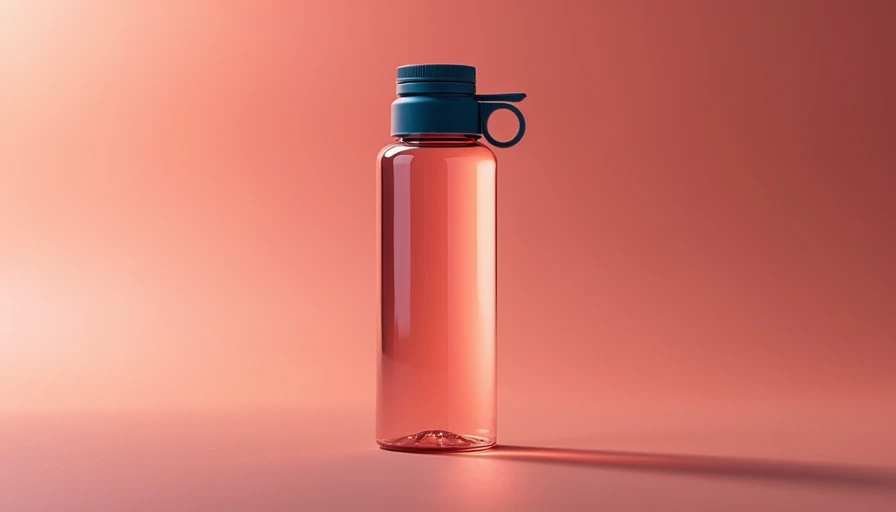
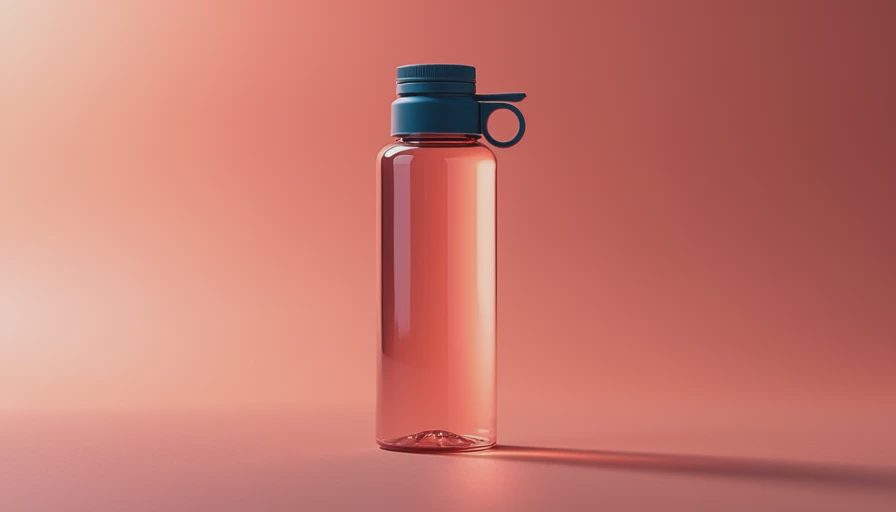
The design language is quiet. There is a soft silicone sleeve, a rounded profile, and a lid that feels more like a kitchen object than a piece of gym equipment. Soma has generally positioned its products around attractive everyday hydration rather than rugged expedition use. You will not find a carabiner, measurement markings, or a giant logo demanding attention from across a conference room.
That restraint is the strongest argument for it. A bottle can be useful without becoming another branded system to maintain. The soma water bottle looks at home on a nightstand or a shared office table, which matters if your goal is to reduce visual noise rather than add another piece of performance gear.
Living with the glass design
Glass changes the experience more than I expected. Water tastes like water, not like the faint plastic note that can show up in inexpensive bottles after a few weeks. The silicone sleeve also gives enough grip for normal use and protects the body from minor knocks. I still would not toss the bottle loose into a bag with a camera, laptop, or metal water flask. Glass is forgiving up to a point, then it is not forgiving at all.
The weight is the tradeoff. A typical soma water bottle feels more substantial than a lightweight plastic bottle, especially once filled. That is fine for a desk, commute, or short walk. On a long hike, every extra ounce becomes part of the conversation. My 35mm rangefinder already gets priority in a small pack, so I would choose a lighter bottle for a full day in the Sierra.
The mouth is comfortable for drinking, and the form is easier to clean than many bottles with narrow openings or complicated flip-top mechanisms. Still, the filter adds another part that deserves attention. If you leave water sitting for days, no bottle design can replace basic cleaning habits. Rinse it, wash the removable pieces, and let them dry fully before reassembling everything.
The filter is useful, but it is not free
The filter is the reason to choose the soma water bottle over a simple glass carafe or an unfiltered reusable bottle. In an apartment with noticeable chlorine taste, filtered water can make refilling feel more appealing. That small improvement can prevent the familiar “I will just grab a bottle downstairs” purchase.
There is a recurring cost, however. Replacement filters are consumables, and the actual schedule depends on water quality and how much you drink. Plan on buying replacements rather than assuming the first filter lasts forever. Depending on the product bundle and retailer, the initial bottle can sit in the roughly $30 to $45 range, with replacement filters adding a modest but ongoing expense.
This is where the math becomes personal. If the filter helps you refill twice a day instead of buying convenience-store water at $2 or $3 each time, the system can pay for itself quickly. If your tap water already tastes good, the filter is mostly an elegant accessory. You need less than you think, and a basic glass bottle may deliver most of the benefit.

How it fits a calmer desk
The soma water bottle works best when it has a permanent home. I would put it beside the monitor, fill it during the first coffee break, and stop treating hydration as another notification-driven task. There is no app, charging cable, Bluetooth reminder, or glowing ring. That is not a missing feature; it is the point.
For screen-heavy work, small physical cues can be more effective than another dashboard. A visible bottle gives you a reason to stand up and walk to the sink. It creates a pause between two meetings without asking you to open an app. The object is doing just enough behavioral design: visibility, convenience, and a pleasant tactile surface. It does not need badges to earn its place.
The bottle also photographs well without looking like it was designed for social media. That sounds minor, but many wellness products are built around display value. This one is relatively easy to live with after the first week, when the novelty has gone. If your desk already contains a mug, a French press, a humidifier, and three productivity devices, adding one more “essential” object probably will not simplify anything.
Who should buy it?
The soma water bottle makes sense for someone who dislikes plastic taste, prefers glass, and wants filtered tap water without installing a larger countertop system. It is a good fit for a home office, a studio, or a normal commute where durability means surviving ordinary bumps rather than being dropped down a granite trail.
It is less convincing for frequent travelers, outdoor users, or anyone who routinely forgets to clean reusable bottles. A stainless steel bottle such as a Hydro Flask or Klean Kanteen is usually the more practical choice for rough handling and temperature retention. A basic glass bottle without a filter is cheaper and simpler if your tap water already tastes fine. For serious untreated-water filtration outdoors, look at equipment designed specifically for that job, such as a Sawyer filter, rather than asking this product to do something else.
Brand comparisons also reveal the product's narrow appeal. Brita offers familiar filtration at a broad range of prices, while Lifestraw emphasizes filtration technology and portable use. Soma's advantage is the blend of glass, soft styling, and a low-tech desk-friendly presence. That is a real distinction, just not a universal one.
The one thing I would keep
I would keep the glass body and the habit it supports, but I would not build a personality around the soma water bottle. It is not a cure for disposable consumption, a medical device, or a reason to reorganize your kitchen. It is a well-designed container that makes filtered tap water more inviting.
If you are replacing a plastic bottle you already dislike, the soma water bottle is a reasonable upgrade. If you are buying it because every calm-looking object on your desk feels like a fresh start, wait a week and use the bottle you already own. The useful test is whether you refill it without thinking. If you do, the filter and glass earn their space. If you do not, the quieter choice is no purchase at all.