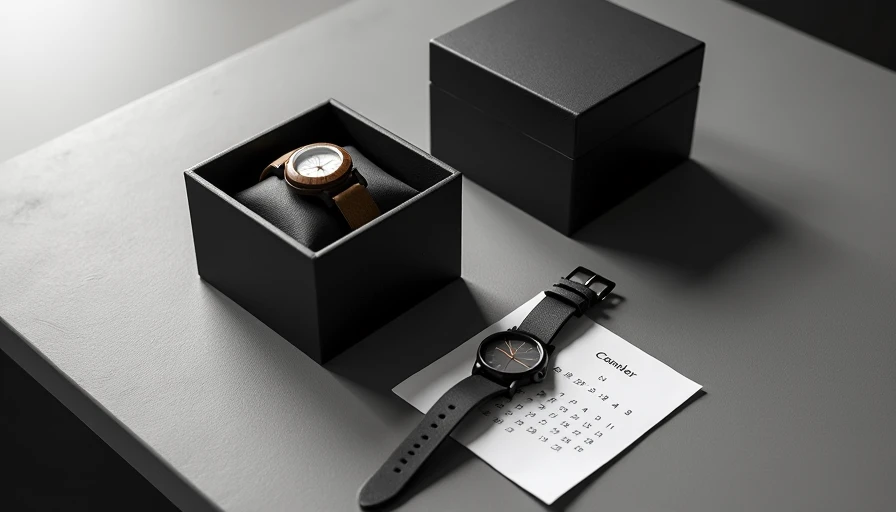
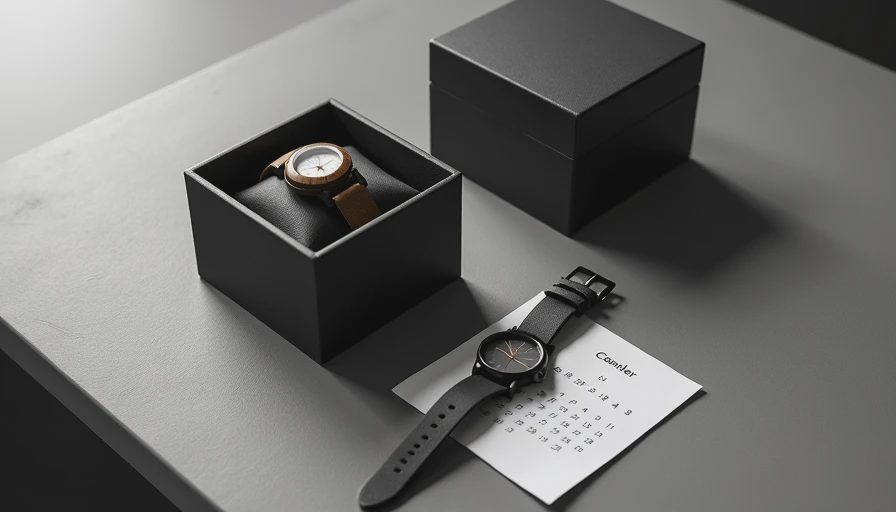
Do you actually need another watch? That is the question I brought to jord watches after years of wearing a phone as my clock. I work in product design, which means I spend enough time thinking about objects, interfaces, and tiny cues that pull attention. A watch can be a useful boundary between checking the time and opening six apps. It can also become another piece of lifestyle gear that looks good in a product photo and sits in a drawer by February.
Jord makes wooden watches with a warm, tactile presence. They are not trying to imitate a stainless-steel dive watch or a glossy smartwatch. The appeal is quieter: visible grain, a relatively light case, and a design that feels closer to a small piece of furniture than a precision instrument. I tested the idea through the lens I use for every gadget and accessory: will this earn a permanent place in daily life?
What jord watches are actually like
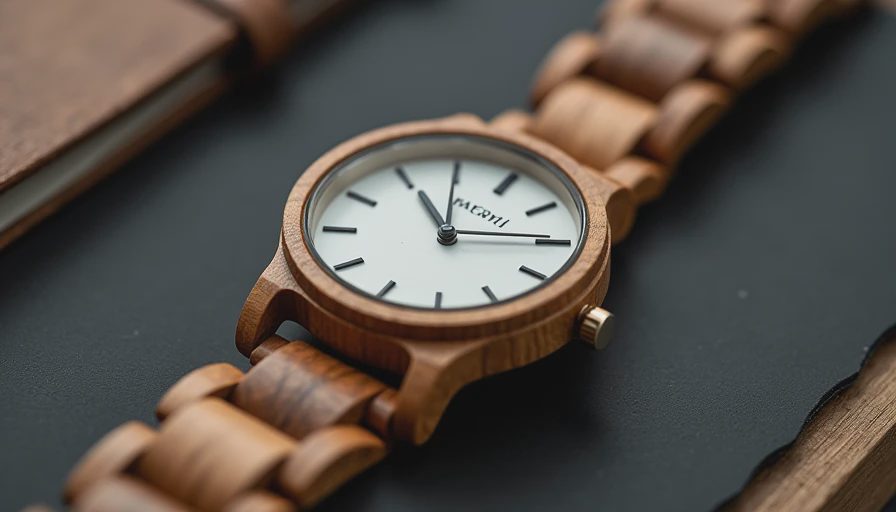
The first thing you notice is the material. Wood changes the emotional temperature of a watch. A metal bracelet can feel formal, technical, or slightly armored. A wooden case feels softer, even when the shape is large. Depending on the model, Jord uses woods such as walnut, maple, sandalwood, or bamboo, with different grain patterns and shades. That variation is part of the point, although it also means the product you receive will not look exactly like the studio image.
The watches generally use quartz movements, which is the practical choice for this category. Quartz watches are accurate, inexpensive to maintain, and easy to live with. You do not need to wind one every morning or remember to charge it beside your phone. That simplicity matters to me. If the object is meant to reduce small points of friction, adding a charging ritual would undermine the whole proposition.
The case and bracelet are light compared with a conventional steel watch. On a walk through the Marin Headlands, that difference is noticeable after several hours. There is less wrist fatigue, and the watch does not feel like a small weight pulling at a shirt cuff. The tradeoff is that wood does not have the same resistance to water, impacts, and abuse as stainless steel or resin.
Design details that matter more than the novelty
A lot of wooden watches rely on novelty alone. They look unusual for five minutes, then the owner discovers that the clasp pinches, the bracelet is difficult to size, or the dial is hard to read in ordinary light. The better jord watches avoid some of that trap by keeping the dial relatively clean. Hands and markers are usually easy to read without decorative clutter competing for attention.
Still, the details deserve a close look before you buy. Wood bracelets often need link removal for a proper fit, and sizing is less forgiving than sliding a leather strap through a buckle. A loose bracelet can rotate around the wrist, while a tight one makes the case feel more prominent. If your wrist is between standard sizes, set aside time to adjust it rather than treating that step as an afterthought.
The visual identity also narrows the wardrobe it works with. A walnut watch looks natural with denim, canvas, wool, and casual cotton. It can sit comfortably beside a field jacket or a simple button-down. It is less convincing with a black-tie outfit, a very technical running kit, or a minimalist uniform built around polished metal. That is not a flaw. It is simply a reminder that distinctive objects are not universal objects.
How they compare with metal, leather, and smartwatches
A basic quartz watch from Casio or Timex will usually be cheaper and more durable. A Seiko automatic offers mechanical interest and a broader range of established designs. A leather-strap watch is easier to replace or re-style when the season changes. An Apple Watch or Garmin adds notifications, fitness data, navigation, and timers, but also creates another screen that can ask for your attention.
Jord occupies a different lane. You are paying for the material and the object’s visual character, not for a new technical capability. Depending on the model and promotion, prices commonly land around the low to mid hundreds of dollars. That is enough money to demand good finishing and reliable timekeeping, but not so much that the watch becomes precious. I would think of it as a personal accessory rather than an investment or heirloom-grade timepiece.
The smartest comparison is not “Which watch has the most features?” It is “Which problem am I trying to solve?” If you want sleep tracking, calls, workout metrics, and turn-by-turn directions, a wooden watch will not replace a smartwatch. If you want to stop pulling a phone from your pocket every time someone asks for the time, a simple analog watch can do that with almost no cognitive overhead.
Living with jord watches day to day
The experience is best when you stop expecting it to behave like rugged outdoor equipment. I would remove it before swimming, showering, washing dishes for an extended period, or doing work that could soak or strike the case. A splash-resistant rating is not the same as waterproofing, and wood deserves more care than resin. Wipe perspiration and moisture from the case and bracelet rather than leaving the watch in a damp gym bag.
The visible grain will also change over time. Small marks are not automatically damage; they are evidence that the object is being used. That said, deep scratches, swelling, or a loose clasp can turn character into a repair problem. Keep it away from prolonged direct sunlight and large swings in humidity when storing it. A drawer or shelf in a dry room is better than a car console.
Battery replacement is another ordinary ownership task. Quartz batteries often last years, but the exact interval depends on the movement and use. Use a competent watch repair shop when the battery needs changing, especially if the case has a gasket intended to protect against moisture. A five-minute shortcut with the wrong tool can leave visible marks around the back.
Who should buy one?
Jord watches make sense for someone who already owns a phone, does not need notifications on the wrist, and wants a physical object with more warmth than polished metal. They are especially appealing if you like natural materials, dislike disposable-looking accessories, and are willing to accept a little care in exchange for a distinct design. They can also make a thoughtful gift when you know the recipient’s wrist size and clothing style.
They make less sense as a first and only watch for someone who regularly swims, works outdoors, or wants a nearly indestructible daily tool. They are also a questionable purchase if the attraction is mostly social-media photography. A watch that only works in a carefully arranged flat lay is not earning its space.
Before ordering, measure your wrist, check the case dimensions, inspect the clasp design, and read the water-resistance guidance for the exact model. Look at return terms as well. Natural grain is part of the appeal, but personal taste is unpredictable when the actual piece arrives.
My answer: do you actually need this?
Probably not. You need less than you think, and a phone already tells time accurately. But “need” is not the only useful category. A good object can earn its place by changing a small daily behavior. With jord watches, that behavior is simple: glance at your wrist instead of opening a glowing rectangle.
I would buy one for the material, the quiet analog interaction, and the way it gives casual clothes a little visual texture. I would not buy one for ruggedness, advanced horology, or investment value. The best version is the one you can wear several times a week without treating it like a museum piece.
The thing I would keep is the separation from the phone. Not because every screen is bad, and not because a wooden watch will repair your attention by itself. It just creates one small pause between a question and an app. For a desk worker trying to make the day less reactive, that may be enough.