
Do you actually need the bellroy classic backpack, or is it another well-designed object trying to solve a problem your current bag already handles? I carried one with a laptop, camera, notebook, headphones, and the small collection of cables that follows me through San Francisco. The short answer is that this is a thoughtful everyday bag, but its value depends on whether you want a slim commuter pack rather than a gear-hauling travel backpack.
Bellroy has built its reputation around quiet organization. The company tends to avoid loud logos, excessive straps, and tactical styling, and the bellroy classic backpack follows that approach. It looks appropriate in a coworking space, on a train, or walking into a client meeting. The design is deliberately forgettable in the best way: soft structure, restrained branding, and enough shape to avoid looking like a sack.
What the bag is designed to carry
The bellroy classic backpack is best understood as a daily work bag. Its main compartment has room for a change of clothes, a lunch container, or a thin notebook, while a padded laptop sleeve handles a computer without requiring a separate case. Depending on the version and size, the sleeve is intended for common laptop dimensions rather than oversized gaming machines.
That distinction matters. I loaded mine with a 14-inch laptop, charger, Kindle, compact camera, water bottle, and a paperback. Everything fit, but the interior became more compressed once I added a light jacket. The bag encourages editing rather than accumulation. You can carry what you need for a workday, but it does not invite you to bring every possible accessory.
The front storage is useful for smaller items such as a transit card, keys, sunglasses, and a passport. A top-access pocket keeps frequently used objects close to hand. The layout is more restrained than the organizer-heavy interiors found in some Timbuk2 or Aer bags. That is either a benefit or a limitation: fewer compartments mean fewer places to lose a cable, but also less protection between objects.

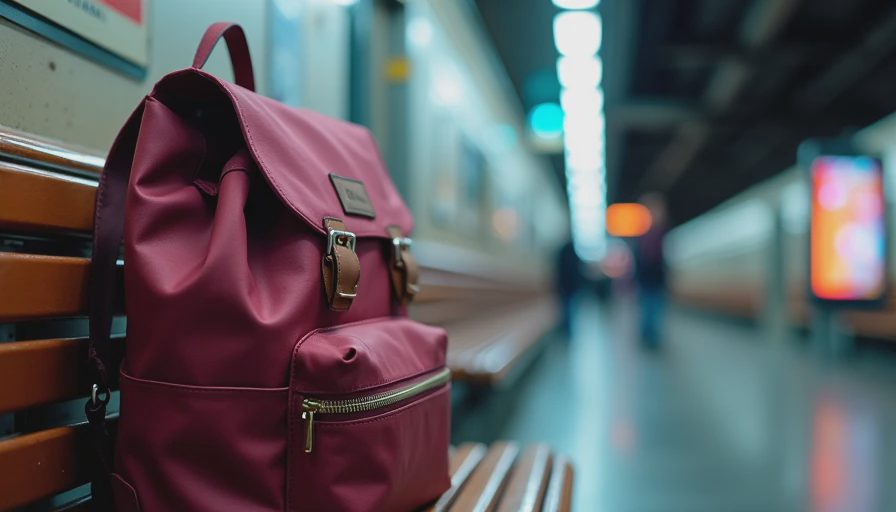
The bellroy classic backpack also has a relatively clean exterior. There are no rows of attachment points or giant zipper pulls competing for attention. The fabric and leather details give it a more polished appearance than a basic school backpack, though the exact materials vary by model and color. It is the sort of bag that works with jeans and sneakers but does not look out of place with a jacket.
Comfort during a real commute
A bag can look minimal on a product page and still feel awkward after forty minutes of walking. The bellroy classic backpack performs well when the load stays reasonable. The shoulder straps are shaped for everyday use, and the back panel keeps the bag from collapsing completely against you. With a laptop and ordinary work items, it feels stable rather than floppy.
The limit arrives when you pack dense equipment. A camera body, two lenses, a full-size water bottle, and a heavy charger quickly turn a comfortable commuter bag into a concentrated weight on your shoulders. This is not a fault unique to Bellroy; slim packs simply have less room to distribute bulky loads. If your routine includes gym shoes, meal containers, and photography gear, look at a larger travel-oriented design instead.
The compact profile is especially useful on crowded transit. It does not extend far behind you, so turning around in a BART doorway or squeezing past a café table feels easier than it does with a tall hiking-style pack. That small reduction in bulk is one of the reasons the bellroy classic backpack feels calmer than many feature-packed alternatives.
Organization without gadget theater
As a product designer, I notice when organization becomes theater. A bag can offer twelve tiny pockets while making the one thing you need difficult to find. Bellroy generally avoids that trap. The bellroy classic backpack gives you a few obvious zones: a main compartment, a laptop section, an exterior pocket, and smaller spaces for essentials.
This setup works if you decide what belongs in the bag before leaving home. My preferred loadout is simple: laptop, notebook, pen, compact camera, headphones, charger, and keys. The camera goes in a soft insert rather than relying on the backpack to provide serious impact protection. That is an important distinction for anyone carrying expensive equipment.
The pocket arrangement also changes how you use the bag. Instead of adding another pouch for every category, you can remove the item that does not earn its space. A spare HDMI adapter that has not been used in months becomes obvious dead weight. You need less than you think, and a moderately organized bag makes that easier to see.
Laptop protection and everyday durability
The laptop compartment is suitable for normal commuting, but I would still use a sleeve if the computer contains irreplaceable work. Padding reduces everyday bumps; it does not turn the bag into a hard case. Avoid placing keys, camera batteries, or metal chargers directly against the laptop surface.
Durability is similarly practical rather than extreme. The bellroy classic backpack is made for regular city use, office commutes, coffee shops, and short trips. It is not the pack I would choose for a wet trail, heavy rain, or repeated airline travel where the bag gets shoved under seats and into crowded overhead bins. A light drizzle is one situation; sustained weather requires a rain cover or more weather-focused construction.
Zippers and seams deserve ordinary care. Do not overstuff the main compartment until it is difficult to close. Excess tension wears on zipper tracks and changes the bag's shape. Emptying crumbs and dust every few weeks also helps preserve the interior, particularly if the bag carries lunch or snacks.
Bellroy Classic Backpack versus alternatives
The bellroy classic backpack makes the most sense beside a few familiar categories. A Herschel backpack may cost less and offer a simpler, softer everyday feel, but often has less structured organization. An Aer City Pack or similar commuter model usually gives you more protective padding, compartments, and weight, which suits people carrying several electronics. A Peak Design Everyday Backpack offers stronger camera-oriented flexibility, but its adjustable dividers and technical appearance are unnecessary for a light office load.
The Bellroy option sits between these choices. It is more refined than a basic canvas pack, less equipment-focused than a camera bag, and quieter than many modern tech backpacks. Pricing is typically above mass-market backpacks, often landing around the low-to-mid hundreds depending on the model, sale, and material. That premium pays for design details and finish, not unlimited capacity.
Before buying, measure your laptop, then place your normal daily items on a table. If that pile includes a lunch box, headphones, notebook, camera, jacket, and gym clothes, the bellroy classic backpack may feel too constrained. If it contains a laptop, charger, notebook, bottle, and a few personal items, the proportions are much more convincing.
The one thing I would keep
Would I buy the bellroy classic backpack again? For a design-conscious commuter who wants one polished bag and carries a controlled load, yes. It is comfortable, discreet, and organized without turning every cable into a separate project. It also avoids the pressure to fill every pocket simply because the pockets exist.
I would skip it for long flights, serious photography, outdoor use, or anyone who routinely carries bulky items. Those jobs need more capacity, suspension, or weather protection. The bellroy classic backpack is not a universal answer, and it does not need to be. Its strongest quality is knowing what it is: a compact daily companion for work and city movement.
My one keep is the shape. When the bag is packed with only the essentials, it stays close to the body and disappears into the day. That is a better design goal than adding another feature. You need less than you think; this backpack is at its best when you let it prove that.