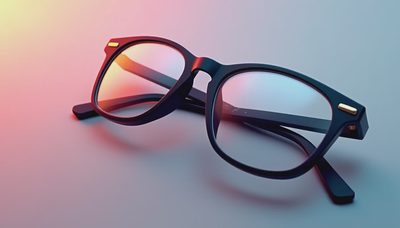
Do you actually need another pair of glasses? That is the useful starting point for asking are warby parker glasses good, because the company sells more than frames. It sells a quieter buying experience: clean designs, a simple online catalog, and the chance to try frames at home instead of standing under fluorescent lights at an optical counter. I have spent enough time comparing frames to know that convenience can hide compromises. Warby Parker gets many important things right, but it is not automatically the best choice for every prescription, face shape, or budget.
The short answer: are warby parker glasses good?
For everyday prescription glasses, Warby Parker is generally good value. Its frames tend to look more considered than the cheapest online options, the ordering process is approachable, and basic prescription lenses are usually included in the listed frame price. Prices have changed over time, but standard complete pairs have commonly started around the $95 range, with thinner lenses, progressives, sunglasses, and other upgrades costing more.
The strongest case is a straightforward prescription and a preference for modern, understated frames. Warby Parker offers familiar shapes such as round, square, rectangular, and cat-eye styles, with enough colors to make comparison useful without turning the site into an endless scroll. The weaker case is a complex prescription, a need for highly specialized lens features, or a face that rarely fits standard frame dimensions. In those situations, an independent optician can provide more measurements and adjustment than an online-first retailer.
What makes the frames worth considering
A good frame should disappear during the day. It should not constantly slide down your nose, pinch behind your ears, or make you think about its hinges every time you look at a screen. Warby Parker frames are often designed around that quiet, wearable quality. The branding is restrained, and many styles can move from a video call to a restaurant without looking like a costume.
The value also comes from selection. You can compare bridge widths, frame measurements, materials, and colors before ordering. That does not eliminate guesswork, but it is better than choosing based only on a model photo. If you already own glasses that fit well, copying their measurements is one of the most useful steps. A pair marked 49-20-145 gives you lens width, bridge width, and temple length to compare against new frames.
Durability is solid for normal use, not indestructible. Acetate-style frames can handle everyday commuting and desk work, while thinner or more delicate styles deserve a case rather than a pocket. Hinges, nose pads, and lens coatings can eventually need attention just as they do with frames from a traditional optical shop.
Lenses, prescriptions, and screen-heavy work
When people ask are warby parker glasses good, they are often really asking whether the lenses will be comfortable for eight hours of work. For a basic single-vision prescription, the answer is usually yes. You submit your prescription, select available options, and receive lenses made to those measurements. The experience is much less mysterious than buying glasses from an unfamiliar marketplace with dozens of unverified sellers.
Your prescription is where you should be careful. Check the expiration date, pupillary distance, sphere, cylinder, and axis before placing an order. Pupillary distance is especially important because it helps center the prescription in front of your eyes. Some prescriptions or progressives require more precision than a casual online purchase can provide. If you have a strong prescription, significant astigmatism, prism correction, or trouble adapting to new lenses, an in-person optician is the calmer choice.
For screen work, clear lenses will not solve every source of eye strain. Breaks, reasonable text size, room lighting, and reducing glare usually matter more than a blue-light marketing claim. Warby Parker offers lens options and coatings, but I would treat them as comfort preferences rather than a cure for tired eyes.

The home try-on experience is useful, with limits
The home try-on feature is one of the best reasons to consider Warby Parker. Frames that look balanced on a website can feel too wide, too tall, or strangely bright when they are actually on your face. Trying several options at home lets you see them beside your normal clothes, desk setup, and daily lighting. That context is more valuable than a single studio photograph.
Still, a home try-on is not the same as wearing a finished prescription pair. Demo lenses may not show the exact weight or optical effect of your final order. A frame can also feel different after several hours than it does after two minutes in the living room. Take photos from straight on and from the side, then compare the frame width with your current pair. Ask whether you like the frame itself or simply the novelty of a new look.
Warby Parker's physical stores can help with fitting and adjustments where available. That hybrid model is useful: browse slowly online, then use a real person when the bridge or temple arms need fine-tuning.
How Warby Parker compares with cheaper and traditional options
The cheapest online glasses can cost less than Warby Parker, especially during promotions. Zenni Optical, for example, is known for a broad low-price catalog, while EyeBuyDirect often competes through frequent discounts and large online selection. Those options can make sense for backup glasses, a spare pair for travel, or a prescription you already know fits.
Traditional optical shops usually cost more, but the extra price can include measurements, same-day adjustments, and help choosing specialized lenses. Retail chains such as LensCrafters may offer more immediate service, while independent opticians can be particularly helpful with unusual prescriptions or difficult fits. Warby Parker sits between those models. You pay for a more edited design experience than a bargain marketplace, but you should not expect the same depth of hands-on customization as a specialist.
That middle position answers are warby parker glasses good more accurately than a simple yes. They are good when convenience, design, and predictable ordering matter more than squeezing out the lowest possible price.
When you should buy them and when to pause
Are warby parker glasses good for a first prescription pair? Often, yes, especially if your prescription is uncomplicated and you already understand the measurements that fit your face. They are also practical as a second pair for commuting, travel, or a dedicated computer workspace. A second frame can reduce the risk of losing the only pair you rely on every morning.
Pause before buying if you have never worn glasses, your prescription recently changed, or your current pair gives you headaches. In those cases, an eye exam and in-person fitting are more valuable than a fast checkout. Also consider the full cost. A $95 starting price can become $150 or more after thinner lenses, progressives, sunglasses, shipping, or other upgrades. Compare that total with a local quote instead of comparing frame prices alone.
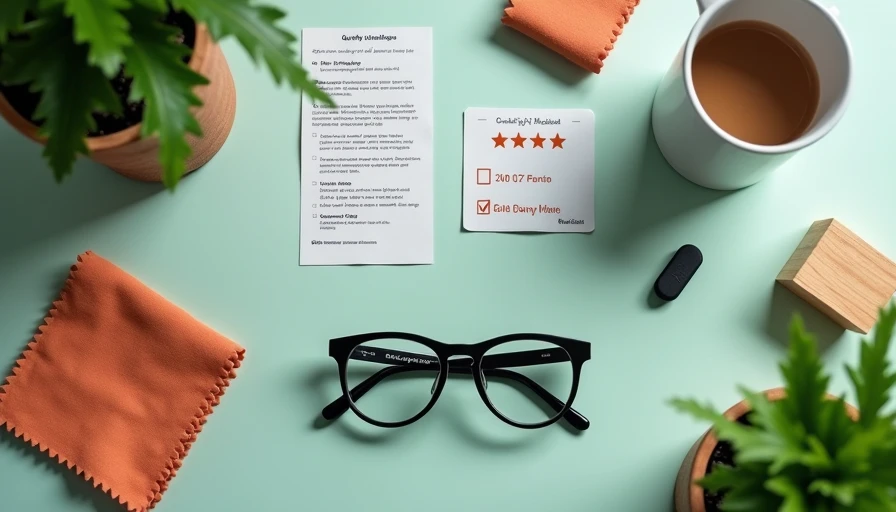
The simplest buying process is to photograph your current glasses, record their measurements, verify your prescription, order a few try-on options, and decide after wearing each frame around the house. That is enough research for most people. You need less than you think.
My verdict on are warby parker glasses good
Are warby parker glasses good? Yes, for the right job. They offer attractive, restrained frames and a friendlier online purchase than many anonymous budget retailers. The home try-on option lowers the risk of choosing a shape that only works in a product photo, and the price is reasonable when your prescription is straightforward.
I would not choose them blindly for complex lenses or a difficult fit. I would also avoid upgrading every option simply because the checkout page makes it easy. Start with the prescription you need, a frame measurement you already trust, and a return policy you have read. The one thing I would keep is the best-fitting pair, not the most interesting one. Glasses are successful when you stop noticing them and get back to the work, walk, or film roll in front of you.