
Do you actually need kyrgies? That was my first question when a pair arrived at my apartment in San Francisco. I already owned socks, house shoes, and one pair of beat-up slides that did the job without asking for attention. A new pair of slippers had to earn its space. After several weeks of wearing them at my desk, on cold mornings, and during slow weekends at home, I have a more useful answer: kyrgies are not necessary, but they solve a small daily problem unusually well.
The problem is simple. Bare floors feel cold, regular socks slide around, and rubber-soled shoes are heavier and louder than you want indoors. These slippers sit between socks and footwear. Their appeal is tactile rather than technical: wool that feels substantial, a flexible shape, and enough structure to make walking around the house feel intentional without turning your living room into an outdoor gear test.
What makes kyrgies different?
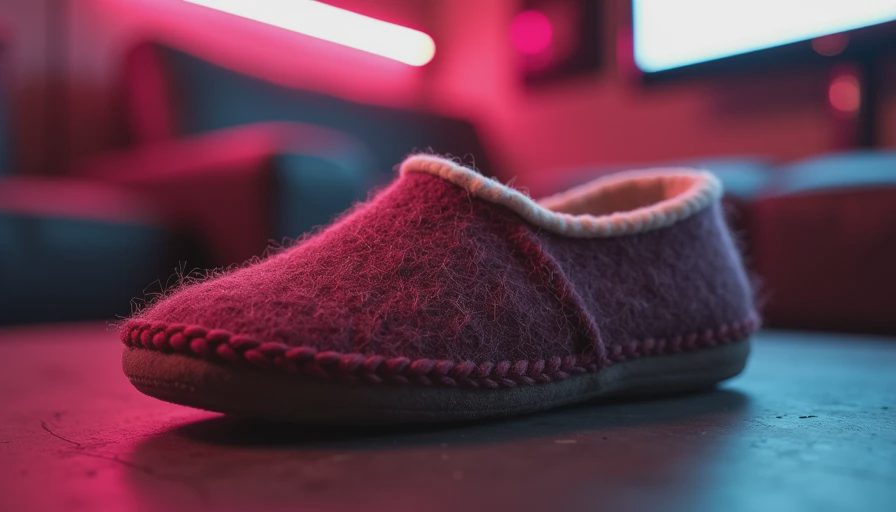
kyrgies are associated with felted wool slippers, and the material is the main event. Wool handles temperature differently from cotton or synthetic fleece. It can feel warm without immediately becoming stuffy, which matters if you move between a chilly bedroom, a heated office, and a kitchen with sunlight on the floor. The texture also has a little friction, so the slipper feels more anchored than a loose sock.
That material choice creates a particular look. These are not polished leather moccasins, hotel slippers, or foam recovery slides. They have a soft, slightly handmade character. The shape is understated, with enough visual interest to avoid looking like disposable footwear. If your taste runs toward clean objects that show how they were made, kyrgies fit naturally beside a wooden desk, a canvas chair, or a stack of books.
I also appreciate what they do not try to be. There is no app, charging cable, Bluetooth connection, or elaborate feature list. A product designer can spend too much time asking whether an object has a compelling system around it. Here, the system is just: put them on when the floor is cold. You need less than you think.

Comfort, fit, and everyday use
The first few minutes matter with any slipper. A pair that feels wonderful while sitting can become irritating after a full morning of standing. With kyrgies, the comfort comes from the wool conforming gradually rather than from thick memory foam swallowing your foot. That makes them feel more like a soft layer around the foot than a cushion strapped underneath it.
Sizing deserves attention. Wool slippers can change slightly with wear, and a pair that starts loose may feel noticeably roomier later. I would choose the size that gives your toes space without allowing your heel to lift dramatically. If you plan to wear thick winter socks, account for that before ordering. A snug initial fit is generally more useful than a sloppy one, but your toes should never feel compressed.
They work best on ordinary indoor surfaces: wood, tile, low-pile carpet, and the short trips between rooms. I would not treat them like hiking shoes or wear them for long walks outside. Even if the sole can handle an occasional porch trip, that is different from exposing a soft wool slipper to wet sidewalks, grit, and repeated abrasion.
The biggest surprise is how quickly they become part of a routine. Mine ended up beside the desk rather than in a closet. Putting them on signaled the start of work without opening an app or checking a notification. That is a small behavioral cue, but useful ones tend to be small. The slippers made the room feel more comfortable without adding another piece of technology to my morning.
Warmth, breathability, and the seasonal question
The obvious case for kyrgies is winter. Cold floors make an apartment feel colder than the thermostat suggests, especially when you work from home and remain mostly stationary. Wool gives you warmth without the sealed, sweaty feeling I get from some synthetic slippers. That balance is more noticeable after a few hours than during a quick try-on.
Still, I would not describe them as year-round footwear for every climate. In a warm apartment or during a San Francisco heat wave, you may prefer socks or bare feet. Their value depends on the surfaces and temperatures in your home. Someone with radiant floor heating probably needs them less than someone in an older apartment with drafty windows and hard flooring.
Care is part of the calculation. Wool is not a material that rewards careless washing. Avoid treating these like gym clothes in a hot machine cycle. Spot-clean small marks, follow the maker's care instructions, and let them dry fully away from direct high heat. Giving them a regular place also helps: leaving them near a damp entryway invites smells and unnecessary wear.
That maintenance is not difficult, but it is a reminder that the product is closer to a textile object than a disposable gadget. If you want something you can hose off, toss in the washer, and replace cheaply, kyrgies are probably the wrong choice.
Are kyrgies worth the price?
The value depends on how often you will use them. A low-cost pair can look cheaper at first, but replacing flattened foam or cracked synthetic material every year changes the comparison. A well-made wool slipper in the roughly $70 to $100 range is not an automatic bargain, especially if you already own comfortable house shoes. It becomes easier to justify when you wear it most days and care for it properly.
I would compare the purchase with three alternatives. Thick socks cost less and take up almost no space, but they offer less floor protection. Foam slides are often cheaper and easier to clean, but they can feel bulky and visually loud. Leather moccasins provide more structure, though they usually feel warmer and less relaxed. kyrgies occupy the quiet middle: more substantial than socks, softer than structured shoes, and less disposable than a novelty slipper.
The right question is not whether the brand is fashionable. Ask whether your current indoor footwear creates a repeated annoyance. If you are constantly cold, slipping, or switching between socks and shoes, the improvement is concrete. If you already have one pair you love, a new pair may simply duplicate its job.
My setup and final recommendation
I keep mine beside the chair where I read and edit photos. They do not come out for errands, dog walks, or trips to the mailbox in bad weather. They are for the transition from outside life to home life, when I want my feet warm but do not want to feel dressed for the street. That narrow purpose is exactly why they have lasted in my rotation.
Before buying kyrgies, measure your foot, read the current care guidance, and decide whether you want to wear socks inside them. Look at your floor surfaces and the coldest room in your home. Those details matter more than a product photo or a broad promise about comfort. A slipper is personal equipment, even when it sits quietly under your desk.
So, do you actually need kyrgies? Probably not. Most people can get through winter with socks or whatever they already own. But if you work at home, dislike bulky house shoes, and want one tactile object that makes cold floors less annoying, they are a thoughtful upgrade. I would buy them for that specific use, not as a lifestyle symbol.
The one thing I would keep is the wool slipper itself, provided it fits well and earns daily wear. It replaces a minor recurring irritation with a simple physical cue: work is done, the floor is cold, and the phone can stay on the shelf.