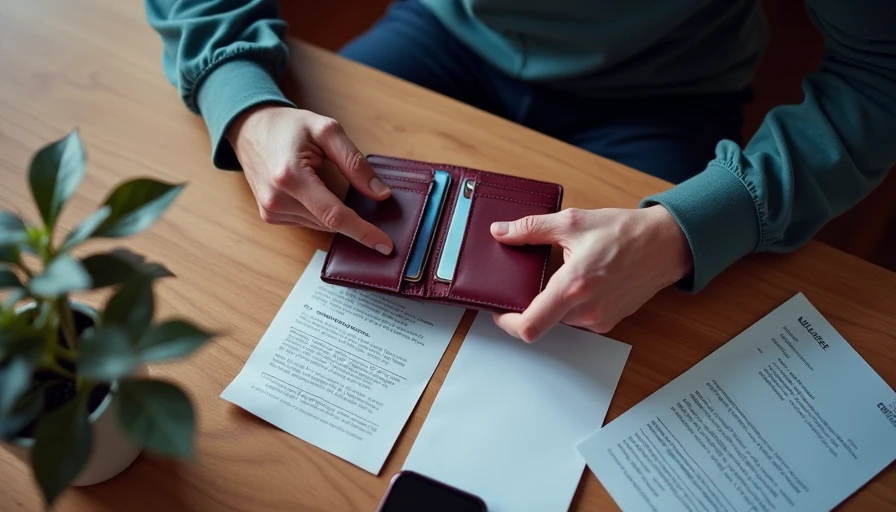
Do you actually need this? That is the question behind this rigid wallet review. I carried a slim aluminum wallet for several weeks through San Francisco commutes, coffee runs, grocery stops, and a weekend on the Marin Headlands. The appeal is obvious: it is small, neat, and almost aggressively simple. The less obvious question is whether that simplicity improves your day or merely gives you another object to optimize.
A rigid wallet is usually made from aluminum, titanium, carbon fiber, or stainless steel rather than folded leather. Two plates hold cards together with an elastic band, metal clip, or money strap. The format feels closer to a compact tool than a traditional wallet. It can work beautifully, but it also changes how you carry identification, cash, receipts, and cards.
What this rigid wallet review tested
For this rigid wallet review, I focused on the parts that matter after the unboxing excitement fades: pocket comfort, card access, capacity, noise, durability, and the friction of paying in ordinary places. I used a Ridge-style aluminum wallet with a cash strap, not because Ridge is the only option, but because its design represents the category well. Similar products from Ekster, Dango, and several less expensive brands use the same basic idea with different materials and mechanisms.
The first impression was good. The wallet disappeared into the front pocket of jeans and did not create the familiar square outline of a leather bifold. At roughly a few ounces, it was easy to forget. It also resisted the usual pocket clutter. There was nowhere to leave old receipts, loyalty cards, or a second coffee shop punch card, which is a feature if you want a harder boundary around what you carry.
That boundary is the central design decision. A normal wallet expands when life gets messy. A rigid wallet refuses. In product design terms, the constraint is doing useful work: it makes excess visible immediately. When I tried to add more cards, the stack became harder to access and the elastic felt strained. The wallet was telling me to remove something rather than making room for everything.

How it feels in daily use
The best part of a rigid wallet is the front-pocket experience. Sitting at a desk or driving for an hour, I noticed less bulk against my leg. It was also easier to locate by touch than a soft black leather wallet at the bottom of a jacket pocket. A metal body has a distinct edge, so retrieval becomes almost automatic.
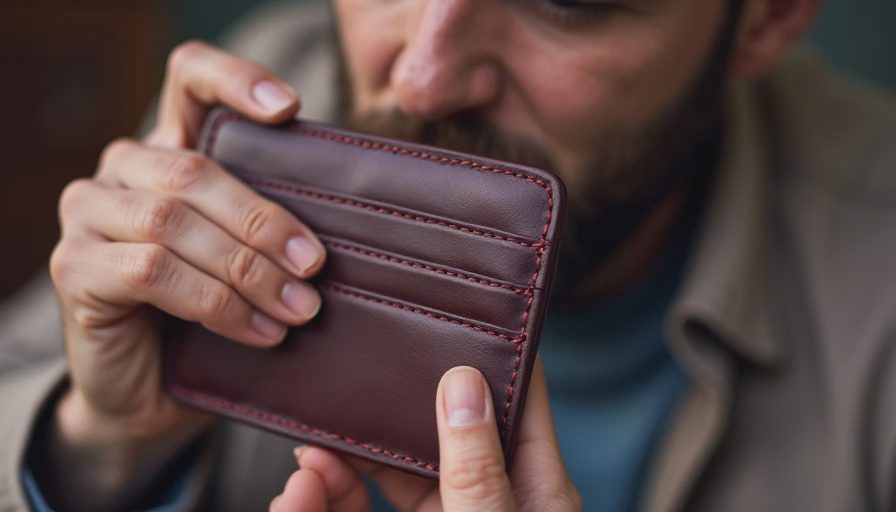
Card access is more mixed. You push the cards out with your thumb, find the one you need, and compress the stack again. With two or three cards, the motion is quick. With six or seven, it becomes a small fumble, especially when you are holding a phone or grocery bag. Tap-to-pay reduces the problem because the payment card can stay in the stack, but showing an ID still requires a deliberate spread of the cards.
The cash strap is functional rather than elegant. It holds a few folded bills securely, but folding cash into thirds looks untidy and makes the wallet thicker. A money clip can be faster for cash, while a cashless user might prefer a design with no strap at all. The right choice depends less on the logo and more on whether you regularly carry bills.
One small surprise from this rigid wallet review was sound. Aluminum cards and keys can make a sharp click when placed on a desk. It is not loud enough to matter in most situations, but the wallet does not have the soft, quiet character of leather. The edges also feel cool and hard against the hand, which some people will enjoy and others will find sterile.
Durability, security, and real limitations
A rigid wallet should handle daily abrasion better than inexpensive leather. The aluminum model I used picked up fine scratches, but those marks felt like normal wear rather than damage. The plates did not bend, and the elastic remained usable. Titanium versions are lighter and tougher, though they often cost more than $80, while aluminum models commonly sit around $30 to $75 depending on the brand and extras.
Physical durability is not the same as security. RFID-blocking metal plates can reduce some forms of contactless card skimming, but they do not protect against every kind of fraud, lost-card problem, or stolen account information. Treat that feature as a bonus, not a reason to carry more cards. Your bank alerts, strong account passwords, and sensible card limits matter more.
Capacity is the real limitation. Most rigid wallets feel best with three to six cards. That might mean a driver license, primary credit card, backup payment card, and health insurance card. Add a transit card, work badge, hotel key, and several business cards, and the slim advantage disappears. A traditional leather wallet remains better for people who need a broad, flexible inventory.
The other issue is compatibility with certain IDs and access cards. Some workplace badges, hotel keys, and older magnetic-stripe cards can be awkward inside a metal wallet. If you use a badge several times each day, test the exact setup before committing. Pulling a card out every time is manageable for a weekend; it can become irritating during a busy workday.
Who should buy one, and who should skip it?
This rigid wallet review comes down to habits. Buy one if you use a small card set, prefer front-pocket carry, like visible constraints, and rarely carry cash. It is particularly useful for someone moving from a bulky bifold to a simpler everyday setup. The physical limit can quietly encourage a useful purge without requiring a dramatic decluttering project.
Skip it if you carry receipts, coins, several IDs, or a stack of business cards. Also skip it if you dislike hard edges or regularly need to fan through cards quickly. A slim leather card holder will give you a similar reduction in bulk with easier access and a warmer feel. Bellroy-style leather sleeves are less rigid, but they are often more forgiving when your daily load changes.
Price deserves attention too. A $20 generic aluminum wallet can provide the basic shape, while a $75 to $125 premium model may offer better machining, replaceable bands, or a stronger warranty. Those upgrades do not transform the core experience. Spend more for finish and long-term confidence, not because a higher price makes the design automatically more minimal.
Final verdict from this rigid wallet review
The rigid wallet works because it removes choices. You carry the cards that fit, fold a few bills if necessary, and leave the rest behind. That can be calming for a screen-heavy professional who already spends enough time managing digital clutter. It is a small physical boundary in a world built around infinite capacity.
Still, you need less than you think, not necessarily the smallest object available. If your current wallet is thick because it contains six expired cards and old receipts, clean it out before buying anything. You may discover that your existing wallet is comfortable once the excess is gone. If you want a firm limit and usually carry four cards or fewer, a rigid wallet is a genuinely useful tool. My choice would be a simple aluminum model with an adjustable strap, and the one thing I would keep is the constraint itself.