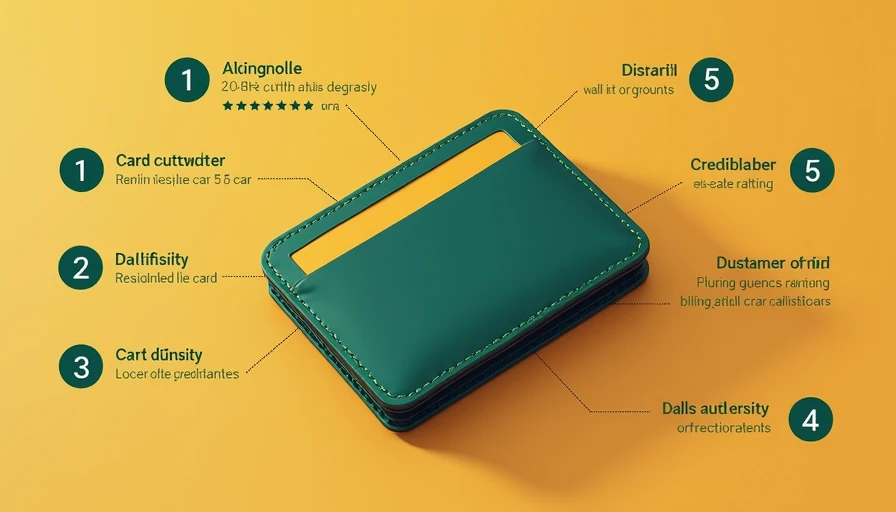
Do you actually need this? That is the question I brought to my reviews of the Ridge Wallet after years of carrying a soft leather billfold that had become a small archive of expired cards, receipts, and loyalty numbers. The Ridge Wallet is designed to interrupt that accumulation. It is a slim metal or carbon-fiber card holder with a cash strap or money clip, built around a simple idea: carry the cards you use, and nothing else.
I tested the wallet as I would any everyday object, moving between a San Francisco apartment, coffee shops, a laptop bag, and weekend walks. The appeal is obvious in the hand. It feels less like a container and more like a boundary. Whether that boundary helps depends on how many cards, bills, and small pieces of friction your life actually contains.
What the Ridge Wallet is like to use
The standard Ridge Wallet uses two plates, elastic material, and a mechanism that lets you fan cards out from the top edge. Depending on the version, the plates can be aluminum, titanium, carbon fiber, or another branded finish. The wallet is noticeably thinner than a traditional bifold when it holds a modest number of cards. A typical setup with an ID, two payment cards, a transit card, and a few bills stays compact enough that I stopped noticing it in a front pocket.
That last detail matters. A thick back-pocket wallet changes how you sit. It tilts your pelvis, catches on a chair, and invites you to keep adding things because its folded shape has room. The Ridge Wallet offers less passive storage. The cards remain visible enough to count, and the cash strap makes a receipt harder to ignore. You can still overfill it, but the wallet does not make hoarding feel effortless.
The card access takes a short adjustment period. With a bifold, you open the wallet and see everything. With the Ridge, you press or pull the card stack and select from the edges. It is not difficult, but it is a different motion, especially when you are paying quickly at a register. After several days, the movement became automatic.
Capacity, cash, and daily friction
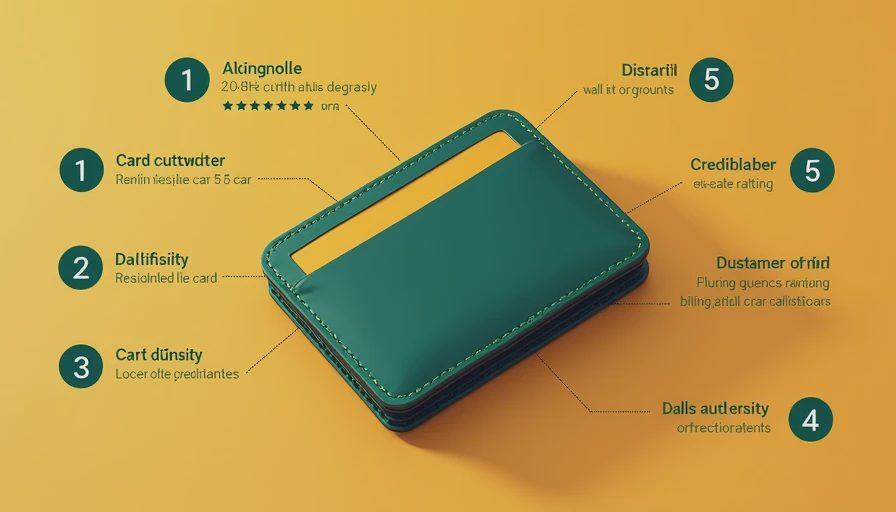
Most reviews of the Ridge Wallet focus on its slim profile, but capacity is the more important question. Ridge commonly describes its wallets as holding up to 12 cards, though real comfort depends on card thickness and whether you use embossed cards, an ID sleeve, or cash. In my experience, six to eight cards felt balanced. Ten worked, but the stack became less graceful to fan out, and the elastic had to do more work.
This is not a wallet for someone who carries a family’s insurance cards, several access badges, a stack of business cards, and emergency cash. It can technically hold more than you need, which is different from making that load pleasant. You also need to decide between the money clip and cash strap. The clip feels tidy with a few folded bills. The strap is more forgiving when you carry different amounts, but it exposes the cash slightly.
Cash users will notice the compromise. Bills must be folded, usually once or twice depending on how they sit against the wallet. A leather wallet still wins for storing receipts, coins, and multiple denominations without thought. The Ridge is better if cash is occasional rather than central to your routine.
Materials, durability, and pocket comfort
The second theme that comes through in reviews of the Ridge Wallet is durability. The rigid plates resist the soft dents and stretched corners that eventually appear on leather. The finish can pick up scratches, particularly on darker coated models, but those marks read more like use than damage. The elastic is the part I would watch over time because it provides the wallet’s tension and card retention.
That does not mean the wallet feels indestructible. Dropping a metal wallet onto a hard floor can mark the edges, and a rigid object can be less comfortable if you keep it in a tight front pocket beside keys. I prefer carrying it alone in the front pocket, where its flat shape is easy to locate. It is also more comfortable on a hike than a bulky wallet, although I would not put it in the same pocket as a camera or delicate sunglasses.
The design has a quiet industrial character. It is not trying to disappear completely; the material and exposed mechanism are part of the object’s identity. That will appeal to people who like well-made tools. It will not appeal to someone who wants a soft wallet that blends into a jacket or bag.
Security without gadget overload
Ridge includes RFID-blocking materials in many of its wallet designs. RFID protection can reduce unwanted wireless reads from compatible cards, but it is not a universal shield against every kind of payment fraud. Your account alerts, strong passwords, and sensible card habits still matter more than treating any wallet as a complete security system.
The useful security feature is simpler: the wallet makes your card count visible. If you normally carry twelve cards, losing one can go unnoticed. With a compact setup, an empty slot or changed stack is easier to detect. The wallet also encourages front-pocket carry, which can be a practical way to make pickpocketing more difficult in crowded places. That is basic physical awareness, not a technological miracle.
I would not buy the Ridge solely for RFID blocking. I would buy it for constrained capacity and a solid daily carry, with the blocking material as a secondary benefit. That distinction keeps the product in proportion.

Price, accessories, and the real value
The price is where reviews of the Ridge Wallet become less straightforward. Depending on material, finish, promotion, and included accessories, the wallet often sits well above a basic leather card holder. Optional items such as a cash strap, money clip, key case, or tracker-compatible accessory can push the total higher. A simple leather wallet from a department store may cost $20 to $60, while a premium Ridge setup can move into the $100-plus range.
You are paying for the construction, warranty positioning, materials, and a design that solves a specific annoyance. You are not paying for a dramatically better way to make a card payment. If your current wallet is already slim and you carry four cards, the upgrade may be mostly tactile and aesthetic. If your current wallet is a stuffed bifold that is uncomfortable every time you sit down, the price has a clearer argument.
Ridge has also built a broad ecosystem around the format, which can be useful but slightly undermines the original simplicity. The key case and tracker options are practical for some people. They are unnecessary purchases for others. You need less than you think, and adding an accessory to every problem can turn a minimalist object into another category of stuff.
Who should buy it?
My conclusion from these reviews of the Ridge Wallet is that it works best for a professional who wants a durable front-pocket wallet and is willing to edit what they carry. It is particularly good for people who use mobile boarding passes, digital membership cards, and tap-to-pay, because physical cards no longer need to represent every part of daily life.
It is less convincing for someone who carries cash daily, needs many cards for work, or prefers a wallet that holds receipts until the end of the week. It also is not automatically better because it is thinner. A product that forces you to remove a card you genuinely need is creating friction, not reducing it.
Before buying, empty your current wallet onto a table. Separate daily cards from occasional cards, then carry the daily group for a week in a rubber band or basic sleeve. If that experiment feels comfortable, the Ridge’s compact format will probably suit you. If you keep reaching for the removed cards, the problem is not your wallet.
My final take
The best reviews of the Ridge Wallet should not treat it as a life-changing object. It is a well-resolved container with a useful constraint. The metal plates feel durable, the card access becomes natural, and the front-pocket shape is genuinely comfortable when you keep the load reasonable. The cost is harder to justify if your existing wallet already does those things.
I would keep the Ridge Wallet for travel days, city walks, and any routine where I want only an ID, two cards, and a little cash. For a desk drawer, a passport, or a camera bag, I would use something softer and more forgiving. The one thing I would keep is the constraint itself: when a wallet gives you less room, you become more deliberate about what deserves to come with you.