
Do you actually need Gantri? That is the useful question, because this is not a bargain desk lamp pretending to be design. Gantri makes sculptural lighting through 3D printing and works with independent designers to create pieces that look closer to small furniture than disposable electronics. Prices commonly land in the low hundreds of dollars, which makes the purchase easy to admire and harder to justify.
I approached Gantri the way I approach most objects in my apartment: what problem does it solve, and what remains after the novelty wears off? The answer is more interesting than a simple yes or no. This is a lamp for changing the feeling of a room, not for maximizing lumens per dollar. If you want softer light, a deliberate desk, and one object that earns its space, Gantri deserves attention. If you need a cheap reading lamp, you need less than you think.
What Gantri is actually selling
The obvious product is a lamp. The less obvious product is a reason to care about a lamp. Gantri's catalog sits between industrial design, home decor, and practical lighting. The forms are often rounded, geometric, or slightly strange in a good way. They give a shelf or desk a focal point without requiring a framed print, a plant collection, or another screen.
The 3D-printing process is central to the identity. Instead of hiding manufacturing seams, Gantri tends to make material and shape part of the conversation. Plant-based polymers, layered surfaces, and digitally designed curves allow forms that would be expensive or wasteful to produce through conventional methods. That does not automatically make every object beautiful, but it does make the collection feel coherent.
The designer-collaboration model also matters. Gantri is not simply selling a generic lamp in several colors. It is packaging a point of view: a smaller object with a recognizable silhouette and a calmer presence than the usual hardware-store fixture. For someone who spends eight hours under bright overhead lighting, that distinction can be surprisingly practical.

The light is the reason to keep it
A sculptural shade is only useful if the light works. Gantri pieces generally make the most sense as ambient or accent lighting. They can soften a dark corner, create a warm pool on a nightstand, or make a home office feel less like a temporary workstation. They are not always the best choice for detailed drawing, close reading, or task work that demands strong illumination.
That difference is important. I once bought a beautiful lamp that made my desk look excellent in photographs and made every notebook page harder to read. The object was doing a decor job, not a task-lighting job. With Gantri, start by deciding whether you need atmosphere or precision. For atmosphere, the diffused glow is the point. For precision, pair a sculptural lamp with an adjustable LED task light rather than asking one object to do both.
Color temperature and placement will change the result. A lamp on a low shelf can bounce light across a wall. The same lamp behind a monitor may disappear during the day but become useful after sunset. I prefer warm light near eye level and a dimmer, indirect source behind the screen. This reduces the visual contrast between a bright display and a dark room without turning the entire space into a showroom.
Where the price starts to make sense
Gantri is not competing with a $25 IKEA lamp on efficiency. The comparison is closer to a small art object, a design-forward speaker, or a well-made chair accessory. A lamp priced around $150 to $500 has to provide more than illumination. It needs to survive moving apartments, remain visually relevant, and feel good every time you switch it on.
That value depends heavily on your room. In a crowded apartment, an expensive lamp can become one more carefully chosen object fighting for attention. In a restrained room, the same piece can replace several cheaper decorations. I would rather own one considered light than three novelty lamps bought during separate late-night browsing sessions.
Gantri also makes the cost visible in a way mass-market products usually do not. You are paying for a designed form, a smaller production run, materials, assembly, and the creative work behind the shape. That does not mean every model is worth its listed price. It means the right comparison is not brightness alone. Compare the lamp with the other objects you would buy to create the same mood.
The dark pattern hiding in beautiful objects
Design people are not immune to design tricks. A clean product page, carefully staged room, and limited color palette can create the feeling that your home is incomplete without one more object. I recognize the mechanism because I have helped build versions of it in software: reduce friction, present an idealized outcome, and let the customer imagine a better self using the product.
Gantri's visual language can trigger that impulse. A lamp looks like a small reset button for your apartment. Buy it, clear the desk, make tea, and become the person who reads instead of scrolling. The lamp cannot perform that transformation. It can, however, support a routine you have already decided to practice.
My test is simple: name the exact surface where the lamp will live, the hours it will be switched on, and the light it will replace. If you cannot answer those questions, save the product page for a week. Desire that survives a week is more useful information than desire created by a beautiful photograph.
Gantri versus a cheaper alternative
A basic table lamp from Target, IKEA, or Amazon will usually win on price and sometimes on adjustability. You can often find a functional LED fixture for $30 to $80, especially if you do not care about the base shape or shade material. That is the correct purchase when your goal is simply to see the page, find the keys, or light a rental without emotional investment.
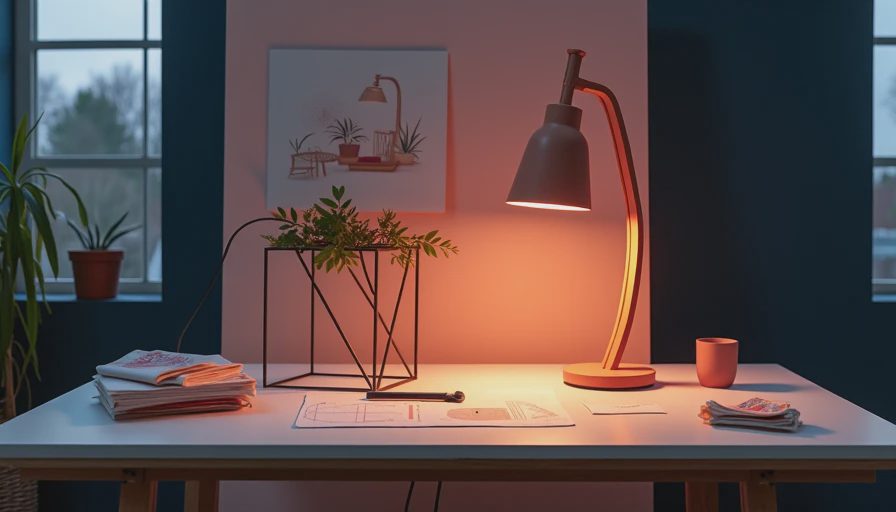
A designer lamp earns its place differently. It can anchor a side table, create a softer evening environment, and make a familiar room feel intentional. The benefit is cumulative rather than technical. You notice it when you walk into the room, not when you compare wattage on a spreadsheet.
There is also a maintenance question. Replaceable bulbs and standard cords make a lamp easier to live with over time. Before buying, look at the bulb type, brightness controls, cord length, and return policy. A beautiful object that cannot fit your outlet or preferred lighting routine is still the wrong object.
Who should buy Gantri?
Gantri makes the most sense for a renter, designer, photographer, or remote worker who wants one strong visual object instead of a room full of accessories. It is especially convincing in a small space where lighting has to serve as both utility and atmosphere. A sculptural table lamp can change the room without drilling into a wall or buying a large piece of furniture.
It is less convincing for someone furnishing a first apartment on a tight budget, lighting a workshop, or searching for a bright bedside reading source. In those cases, reliability, reach, and adjustability matter more than silhouette. A $40 articulated lamp can be the smarter choice, and there is no shame in that. The best object is the one that solves the actual problem.
If you do buy Gantri, place it somewhere you will experience rather than merely photograph: beside the chair where you read, at the end of the desk where your eyes need a softer edge, or on a shelf you pass every morning. Let the object participate in daily life. Otherwise it becomes expensive visual storage.
My answer: keep the light, skip the fantasy
Do you actually need Gantri? Probably not. You can light a room for far less money, and a basic lamp may serve you better if function is the only requirement. But need is not the same as usefulness. A well-designed object can make a repeated routine more pleasant without pretending to change your personality.
I would consider Gantri for one specific, visible location and one specific lighting problem. I would not buy it as a reward for becoming more organized, more creative, or less attached to my phone. The lamp can mark the start of a quieter evening, but I still have to put the phone in another room.
The one thing I would keep is the principle behind it: buy fewer objects, but let the objects you keep do real emotional and practical work. Gantri can do that when the placement is deliberate. If you are only chasing the image, close the tab. You need less than you think.