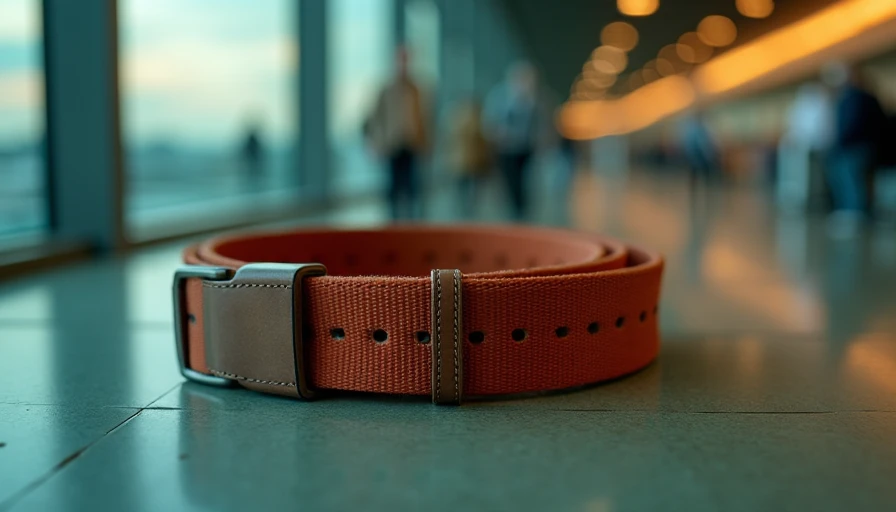
Do you actually need a Cincha travel belt? I asked that question while packing for a short flight with a roller bag, a camera sling, and the usual collection of chargers. The answer is less exciting than a new carry-on, which is part of the appeal: this is a small piece of travel gear designed to stop your personal item from sliding off your suitcase.
You need less than you think. A luggage strap that solves one irritating problem can be more useful than another organizer, pouch, or smart tracking gadget. After using the belt through airport walks, security lines, and a few rideshare transfers, I found its value depends almost entirely on how you travel.
What the Cincha travel belt actually does
The Cincha travel belt wraps around a tote, backpack, or other personal item and attaches it to the telescoping handle of a rolling suitcase. The main benefit is mechanical rather than glamorous: your smaller bag stays stacked on the larger one instead of hanging from your shoulder or drifting sideways as you walk.
The belt is adjustable, so it can accommodate different bag sizes. You position the strap around the personal item, thread or fasten it according to the design, and place the luggage handle through the dedicated opening. Once everything is tightened, the two bags move as one unit. It does not replace a suitcase strap for securing checked luggage, and it is not intended to carry a bag by itself. It is a bridge between two pieces of carry-on gear.
That distinction matters. If you usually travel with one backpack, the belt adds nothing. If you carry a tote that has no luggage sleeve, however, it can turn an awkward airport setup into a manageable one. The Cincha travel belt is most convincing when your bags were purchased separately and do not naturally cooperate.
Testing it with real travel bags
I tried the belt with a soft canvas tote, a compact backpack, and a medium roller suitcase. The tote was the clearest success. Without the strap, its handles slipped around the suitcase handle and forced me to keep one hand on top of the bag. With the belt tightened, the tote sat securely enough for normal walking and boarding queues.
The backpack was more mixed. A structured travel backpack already has a luggage pass-through sleeve, so the Cincha travel belt was redundant. On a softer daypack, it helped, but the result depended on where the belt sat. Too high, and the bag leaned backward. Too low, and the backpack sagged into the suitcase wheels. A thirty-second adjustment before leaving the hotel made a noticeable difference.
The strap also adds a small amount of setup friction. You must remember to pack it, locate it, and attach it correctly. That is not a serious burden, but minimalists should notice it. Gear that solves a problem while creating a new ritual is not automatically useful. The best use case is a repeatable one: the same tote, the same roller, and a predictable airport routine.
Comfort, materials, and everyday handling
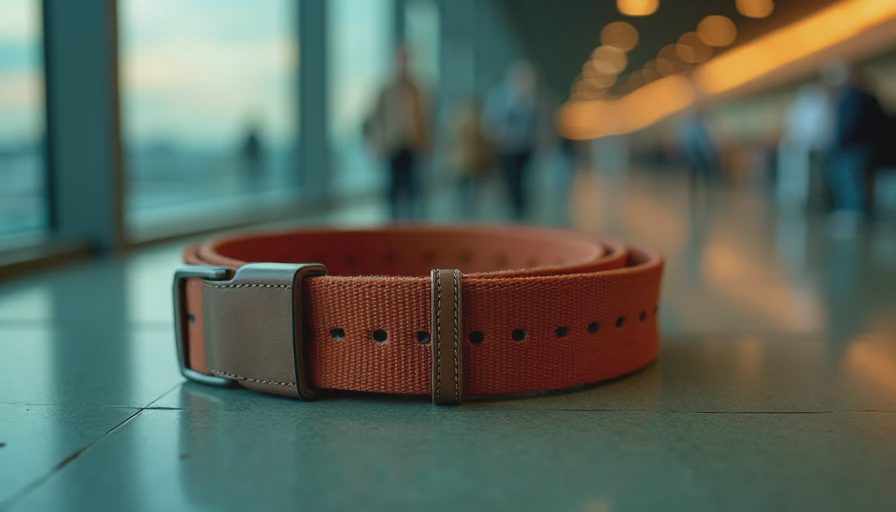
The belt is light enough to disappear in a side pocket, and its compact shape makes it easier to justify than a bulky luggage accessory. The webbing feels like ordinary durable travel strap material rather than a delicate decorative ribbon. That is good news because the belt will experience pulling, twisting, and contact with suitcase handles.
The most important detail is the buckle or fastening point. You want it to close cleanly and stay flat against the bag. A bulky closure can press into soft fabric, while a loose adjustment can let the personal item shift. Before relying on the belt for a full travel day, load your bag with the weight you normally carry and walk around the block. Ten minutes of testing will reveal more than a product photo.
The Cincha travel belt does not make an overloaded bag lighter. It only transfers the carrying problem from your shoulder to the suitcase wheels. Keep heavy items low and close to the suitcase, and avoid stacking a bag so high that it blocks your view or makes the roller unstable.
Who should buy it?
The strongest candidate is a traveler who regularly carries two soft bags: perhaps a roller suitcase plus a work tote, camera bag, or unstructured backpack. It is also useful for commuters who move between an airport, train station, and rideshare without wanting a shoulder bag sliding around every few minutes.
It makes less sense for someone with a single backpack, a suitcase with a reliable pass-through sleeve, or a hard-sided personal item that already sits securely on top. It is also not a substitute for choosing a better-fitting bag. If your tote is so large that it violates the airline's personal-item limits, attaching it to a suitcase will not change that.
Price matters too. Depending on the retailer and color, the belt typically sits in the affordable travel-accessory range rather than the premium luggage range. That makes it easier to recommend than a $100 organizer, but only if you will use it repeatedly. One annual trip is a weak case. Several work trips, weekend flights, or rail journeys make the calculation more favorable.
Cincha travel belt versus buying another bag
The obvious alternative is a backpack with a built-in luggage sleeve. That is the cleaner solution if you are replacing your current bag anyway. A sleeve integrates the connection point into the backpack and usually looks less improvised. It can also distribute the load more naturally.
The belt wins when your current bag is comfortable, attractive, or expensive enough that replacement feels wasteful. A good canvas tote might be perfect at your destination but annoying in an airport. Adding a compact strap preserves the bag you already like. In that sense, the Cincha travel belt is a small retrofit rather than another complete travel system.
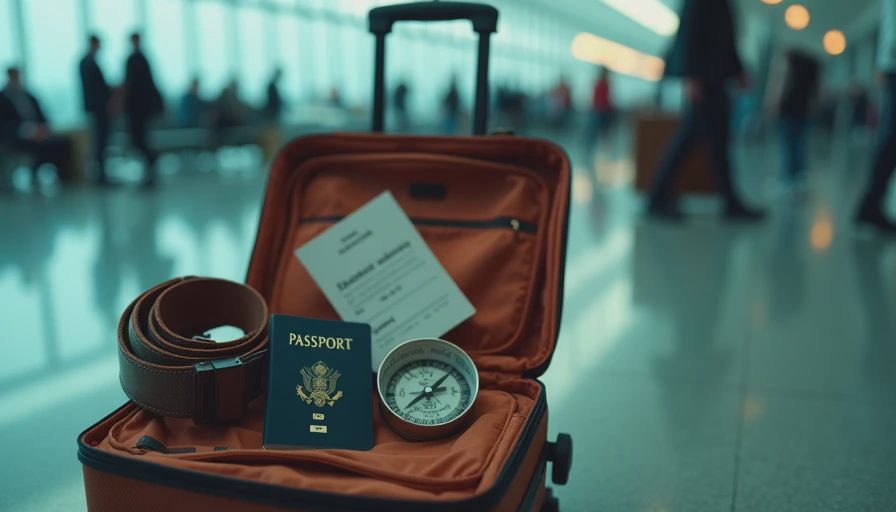
There is also a middle option: use the belt only for departure and arrival, then remove it once you are settled. That keeps the accessory from becoming permanent clutter. Store it in the suitcase's outside pocket, where you can reach it before leaving baggage claim or the hotel.
A five-minute setup before your next trip
Start with the suitcase fully packed and standing upright. Place the personal item on top, then adjust the belt around the widest stable part of the bag. Make sure zippers and water bottles are not trapped under the strap. Slide the luggage handle through the opening and pull the adjustment point until the bag stops shifting.
Next, roll the setup over carpet, pavement, and a curb cut. Watch the wheels and check whether the personal item leans into your legs. If it does, move the belt slightly higher or lower rather than simply pulling harder. Finally, lift the personal item off and confirm that the fastening point has not loosened.
This test also tells you whether the combination is too heavy. A stable stack can still be unpleasant to steer. Travel accessories are successful when they reduce decisions, not when they encourage you to carry one more item than your body wants.
Final answer: do you actually need it?
The Cincha travel belt earns a place in my kit if I am taking a roller and a soft second bag with no luggage sleeve. It solves a narrow, physical annoyance without requiring an app, battery, or new packing philosophy. That is a strong result for a small accessory.
I would skip it if my main bag already connects cleanly to my suitcase or if I normally travel with one backpack. For those setups, it becomes another object to remember. But for the traveler with a slipping tote and a reliable rolling case, the Cincha travel belt is a sensible fix at a modest price. You need less than you think, but occasionally less means one strap that stops two bags from fighting each other.