
Do you actually need this? That is the question I ask before buying almost any object designed to improve an object I already own. So, is ridge wallet worth it, or is it another sleek solution to a problem that a normal wallet already solved? After carrying one for several weeks, my answer is fairly simple: the Ridge Wallet is useful for people who want a thinner, more deliberate carry, but it is not automatically better than a $20 leather wallet.
The Ridge Wallet is a compact metal or composite card holder built around two plates, elastic or metal hardware, and a thumb slot. Instead of folding bills into a traditional billfold, you carry a small number of cards and either leave cash loose, use a cash strap, or add a separate money clip. The design is familiar now, but the physical experience is still different from opening a conventional wallet.
What the Ridge Wallet actually changes
A traditional wallet encourages accumulation. There is a slot for another card, a pocket for receipts, and enough room to forget what you are carrying. The Ridge Wallet removes most of that permission. Its stated capacity is generally around 1 to 12 cards, depending on the configuration and the thickness of each card. In practice, six to eight cards feels more comfortable than cramming in the maximum.
That limitation is the point. My everyday setup would be a driver license, one credit card, one debit card, health insurance card, transit card, and a small emergency bill. The entire stack feels closer to a few pieces of hardware than a traditional wallet. Pulling out a card takes a thumb push and a slight fan of the plates. It is a small interaction, but it makes your inventory visible.
The tradeoff is that access is slower at first. You cannot simply reach into a leather slot and identify a card by its exposed edge. With a Ridge, you push the stack upward and sort by touch or color. After a week, this became automatic. If you regularly carry business cards, receipts, gift cards, or family photos, the compact format will feel restrictive rather than liberating.

Is ridge wallet worth it for the price?
The common Ridge Wallet price is much higher than the basic card holders available from Amazon, Bellroy, Herschel, or a local leather shop. Depending on the material and finish, Ridge models often start near $95 and rise above $150. Limited finishes and bundles can cost more. That is a meaningful amount for something whose primary job is holding plastic cards.
You are paying for more than raw function. Ridge sells a recognizable product system with metal plates, replaceable elastic, a cash strap or money clip option, and a long warranty promise on many products. The company also commonly offers a trial period, although return terms and promotions can change, so read the current policy before ordering. The hardware feels more substantial than a generic $12 aluminum card case, and the finish gives it a distinct tactile quality.
Still, the price does not buy proportionally better card storage. A $30 minimalist wallet can also reduce bulk. Bellroy's slim leather options offer a more conventional card experience, while brands such as Secrid emphasize quick access through a mechanical card-ejection system. Ridge makes the strongest case when you value its specific industrial design and expect to carry it for years.
Comfort, durability, and daily use
The first thing you notice is the shape. A Ridge Wallet is wider and more rigid than a soft leather wallet, but usually much thinner when loaded with only a few cards. It sits comfortably in a front pocket, jacket pocket, or the small pocket of hiking pants. I would not put it in a back pocket and then sit on it for a long train ride; the hard plates can become an uncomfortable pressure point.
The materials handle ordinary abuse well. Metal versions resist bending and survive being dropped onto a sidewalk better than a thin leather card sleeve. Scratches are part of the experience, especially on darker finishes. Some people will enjoy the patina; others will see it as a premium product losing its showroom appearance. The elastic is a wear item, not a permanent component, but replacing it is less wasteful than replacing the whole wallet.
There are small annoyances. The cash strap can catch on fabric, and the money clip adds thickness on one side. Cards with raised numbers, thick hotel keys, or several laminated IDs consume space quickly. The wallet can also make a faint sound when you handle it, a minor detail that matters if you prefer soft, quiet objects.
RFID protection is not the main reason to buy it
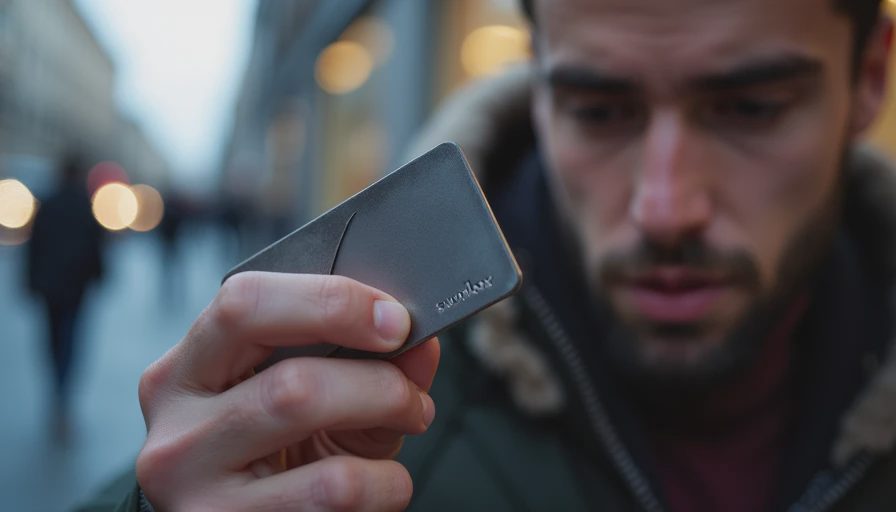
Many Ridge Wallet models include RFID-blocking materials. Radio-frequency identification protection can prevent certain compatible readers from communicating with cards inside the wallet. That sounds reassuring, but it is not a complete identity-theft solution. Most payment fraud does not require someone to stand close enough to scan your wallet, and your account security still depends on alerts, strong passwords, and sensible card habits.
Treat RFID blocking as a secondary feature, not the reason to spend $100. If you already want the thin metal construction, it is a reasonable extra. If RFID is your only concern, cheaper sleeves and wallets can address that specific use case without the premium price. This distinction is where many reviews become too enthusiastic: a security feature does not turn an ordinary carrying tool into essential equipment.
Who should buy a Ridge Wallet?
Is ridge wallet worth it for a screen-tired professional trying to own fewer, better objects? Usually, yes, if the wallet helps you establish a clear daily carry. It works well for someone who carries four to eight cards, rarely uses cash, prefers a front pocket, and likes engineered objects with visible mechanisms. It is also a sensible gift when you know the recipient already dislikes bulky wallets.
It is less convincing for someone who carries cash every day, keeps receipts for expense reports, has several IDs, or wants a soft wallet that disappears in a pocket. A parent managing multiple cards, a traveler carrying currencies, or a person who uses loyalty cards frequently may find the capacity limit irritating within days. The minimalism is not free; you trade flexibility for a smaller physical footprint.
Before buying, empty your current wallet onto a table. Remove expired cards, duplicate payment methods, old receipts, and loyalty cards that have a usable app instead. Then count what remains. If the stack is under eight cards and you still like the design, a Ridge may fit your habits. If it is already twelve cards before cash, choose a larger wallet instead of treating discomfort as a virtue.
The one thing I would keep
So, is ridge wallet worth it? For me, the answer is yes with a narrow definition. It is worth it as a well-made constraint, not as a revolutionary piece of technology. The best benefit is not RFID protection or the branding. It is the moment you realize the wallet is full and decide whether each card deserves space.
You need less than you think, but you also do not need to perform discomfort to prove it. Buy the Ridge only if its size, materials, and card-access ritual appeal to you. Otherwise, a simpler $20 to $50 card holder can deliver most of the practical benefit. The one thing I would keep is the rule the product creates: carry the cards you use, and leave the rest at home.