Do you actually need a Casper light, or are you about to add another clever object to a nightstand already crowded with chargers, a watch, and a phone? I ask because I have made this mistake repeatedly. A product arrives promising calmer evenings, and for three days it feels like a small life upgrade. Then it becomes one more thing to maintain. The useful question is not whether the lamp is attractive. It is whether its behavior changes your evening in a way that a cheaper lamp cannot.
What the Casper light is trying to solve
The basic problem is familiar. You wake up at 2:00 a.m., reach for your phone to check the time, and twenty minutes later you are reading a thread about someone renovating a garage. A bedside light with a deliberately limited interface can remove one step from that loop. You can turn it on without unlocking anything, opening an app, or exposing yourself to a bright screen.
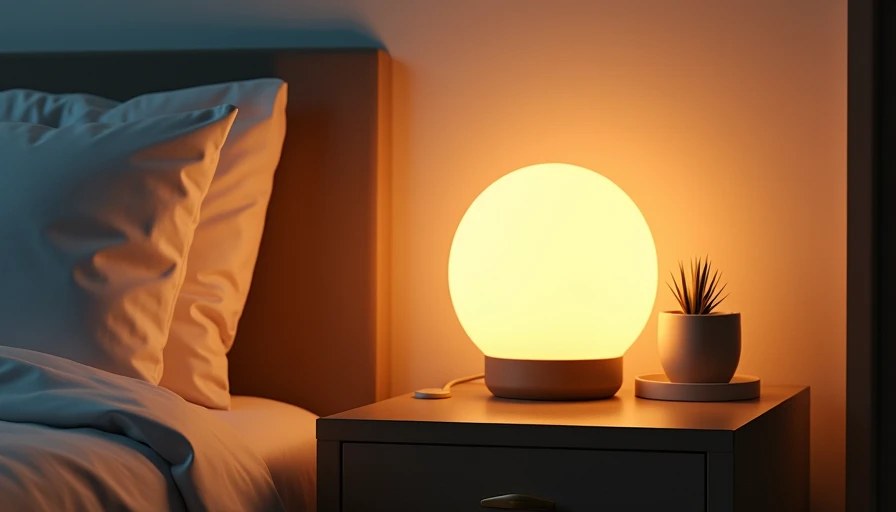
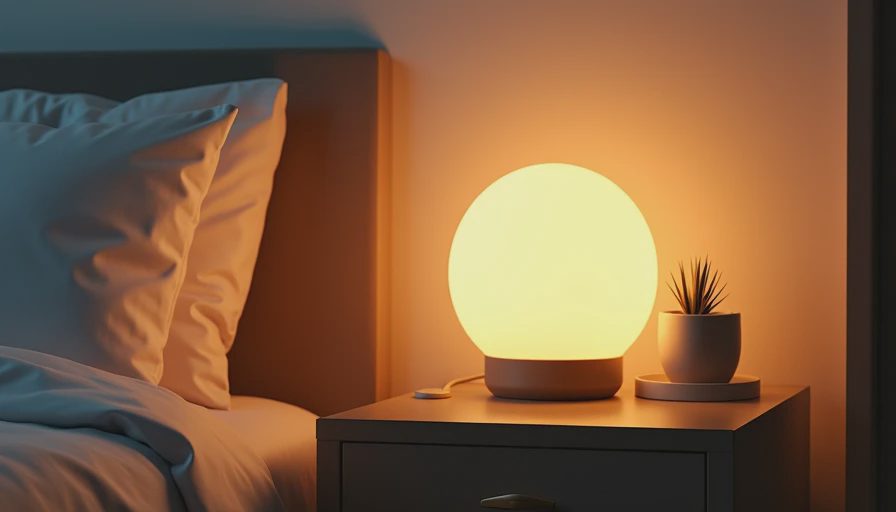
The Casper light concept is built around softness and low friction. It is not a productivity device, and it does not need to become the center of your bedroom. Its best role is simple: provide enough illumination to navigate, read a few pages, or get water without turning the room into a workspace.
That distinction matters. Many smart-home products create control surfaces where none were needed. A lamp that needs a phone, account, firmware update, and cloud connection is not necessarily calmer than a lamp with one physical switch. The design wins only when the object gets out of the way.
The design details that matter at night
A good night light is judged differently from a desk lamp. Brightness range matters more than maximum brightness. The lowest setting should be genuinely low, with no harsh blue-white burst when you wake. The controls should be discoverable in darkness. There should be no notification sounds, status lights, or pairing ritual demanding attention.
The Casper light is most interesting as an interaction design exercise. Its value comes from reducing decisions. You should not have to choose a color temperature from twelve presets while half asleep. You should not need to remember whether a double tap turns it off or starts a timer. The best bedside interaction is nearly physical: reach, tap, adjust, return to bed.
I have spent years designing apps that make one more tap feel irresistible. A calmer object reverses that pattern. It offers fewer surfaces, fewer rewards, and fewer reasons to linger. That does not make it automatically worth buying, but it gives the product a coherent point of view.
Where it fits in a low-screen routine
The strongest use case is the first and last five minutes of the day. Put the lamp where your phone normally sits, then move the phone across the room or outside the bedroom. The light becomes a visual cue for winding down without requiring a meditation program, sleep subscription, or streak counter.
For reading, pair the Casper light with a paperback or an e-reader configured with a warm display. Keep the brightness modest. If you read in bed for an hour, the lamp should illuminate the page without flooding the entire room. A small directional reading lamp can still be better if reading is your primary activity.
For getting up at night, the useful comparison is not a designer lamp. It is the phone flashlight, a ceiling fixture, or stumbling through darkness. A soft, reliable glow wins that comparison easily. If you already have a plug-in night-light that does the same job, however, the upgrade is mostly about finish, portability, and control.
Casper light versus cheaper alternatives
A $10 to $25 plug-in night-light handles hallway navigation. A $20 to $50 dimmable bedside lamp handles reading and general illumination. A smart bulb can add schedules and voice control, often for roughly $15 to $40, but it also introduces an app and another connected device. A premium portable lamp can cost $80 to $200 and usually offers better materials, battery life, or placement flexibility.
The Casper light makes sense in the middle only if its physical design solves a problem you actually have. Maybe your rental has awkward outlets. Maybe you want one lamp that can move from bedroom to hotel room. Maybe your current lamp has a bright power indicator that wakes you. Those are concrete reasons, not vague promises about better sleep.
Do not buy it because a quiet product photograph suggests that your entire life will become quiet too. The lamp cannot stop email, reduce a full calendar, or repair a bedtime that starts with an hour of video. It can only make one small choice easier.

A practical setup that does not become gadget clutter
Start with a seven-night experiment. Place the Casper light on the side of the bed you use most. Set it to a low level before you get in. Charge it at the same time each morning if it uses a battery, rather than waiting for an inconvenient warning. Keep the phone at least an arm's length farther away than the lamp.
Notice three things: whether you use the lamp without thinking, whether you reach for the phone less often, and whether the light is bright enough for the tasks you actually perform. Do not track sleep scores unless you already enjoy them. The point is to observe behavior, not turn bedtime into another dashboard.
After a week, remove the lamp for two nights. If you immediately miss its low, independent light, it has earned a place. If nothing changes, return to the simpler solution. The Casper light should reduce friction, not create a new maintenance habit.
Who should skip the Casper light
Skip it if your real problem is a phone that stays beside your pillow. Moving the phone is likely to produce a larger result than changing lamps. Skip it if you need strong task lighting for writing or reading; buy a proper adjustable lamp instead. Also skip it if you dislike charging portable objects. A dead calming gadget is still a dead gadget.
You can also skip the Casper light if an existing lamp already has a warm, low setting and a physical control. Test that lamp for a week before spending money. Tape over an annoying indicator, move the switch closer, or use a lower-wattage bulb. Small environmental changes are often more effective than replacement shopping.
The product is better suited to someone who values tactile simplicity and wants a dedicated object for the bedroom. It is not essential equipment, and treating it as essential misses the point.
My answer: do you actually need it?
The Casper light is a thoughtful solution to a narrow problem: getting gentle illumination without inviting the phone into bed. That is useful, especially for screen-tired professionals who want a boundary that does not depend on willpower. But the boundary works only if the phone moves too.
I would try a cheaper dimmable lamp first and place the phone across the room. If that arrangement feels awkward, the Casper light becomes easier to justify as a physical upgrade rather than a self-improvement purchase. You need less than you think. The one thing I would keep is the low-friction ritual: reach for a real switch, read a real page, and let the night stay uneventful.