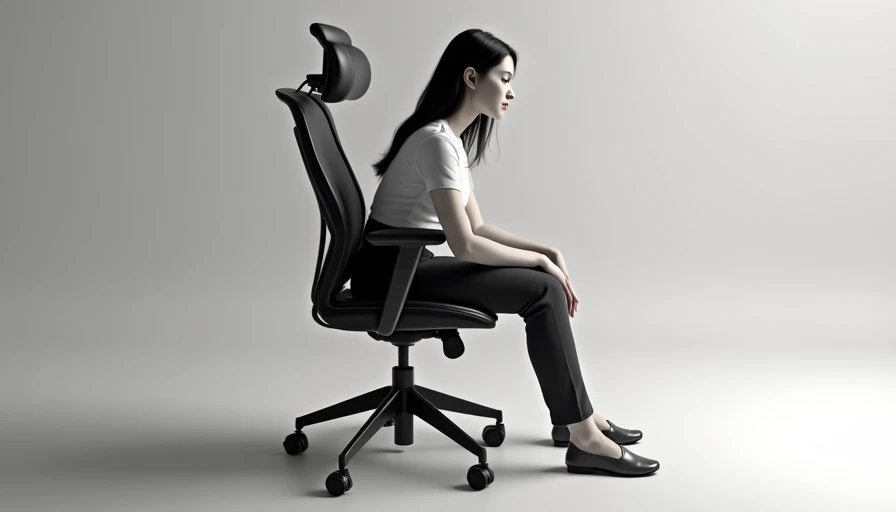
Do you actually need the sayl chair, or do you just need to stop working from a dining chair with a folded sweatshirt under your hips? I spent time with Herman Miller’s distinctive task chair while thinking about the way office products persuade us. The appeal is immediate: a suspension back that looks like a stretched mesh window, a compact frame, and enough visual personality to avoid becoming anonymous desk equipment. But a good-looking object still has to make eight-hour workdays easier.
My short answer is that the sayl chair makes sense for someone who wants a genuinely adjustable chair without the visual bulk of an Aeron. It is less compelling if you need an extremely firm seat, dislike flexible back support, or are shopping only by initial price. You need less than you think, but a chair is one of the few desk purchases that can earn its footprint every day.
What the Sayl Chair Is Trying to Do
The sayl chair was designed by Yves Béhar for Herman Miller, with the suspension back inspired by the structure of a suspension bridge. That comparison is not just marketing language. The back uses a frameless elastomer design in much of its surface, allowing different areas to flex as you move. A stronger center can support your torso while the outer sections give your shoulders room to shift.
That movement is the point. Instead of locking you into one posture, the chair permits small changes while you type, read, or turn toward a second monitor. The design also removes material from places where a conventional chair might use a thick plastic frame. The result feels lighter than its price suggests and looks much less corporate than many premium ergonomic chairs.
Herman Miller offers several configurations, including options with adjustable arms, seat depth, tilt controls, and lumbar support. Those details matter more than the color or the translucent back. A basic version can feel adequate, but the chair becomes much more useful when you can tune the arm height and seat position to your desk.
Comfort After a Full Workday
The seat has a supportive, moderately firm feel rather than a soft lounge-chair sensation. That is good for working because you do not slowly sink into it, although anyone expecting thick executive-chair cushioning could be surprised. After several hours, I noticed the difference between sitting actively and collapsing into the backrest. The chair encouraged the former without making posture feel like a personal discipline project.
The back is where the experience becomes specific. On the sayl chair, the elastomer support feels springy and responsive. It does not create the padded cocoon of a Steelcase Leap, and it is not as visibly structured as an Aeron. Instead, it follows movement. If you regularly lean sideways to check a notebook or rotate toward a nearby screen, that freedom feels natural.
Seat depth is important for shorter users, while taller users should pay attention to the chair’s overall dimensions before ordering. Adjustable lumbar support is useful, but it will not transform a poor setup. A monitor that is too low, a keyboard positioned too far away, or a desk that forces your elbows downward can make any chair feel wrong.
Adjustability Without a Control Panel
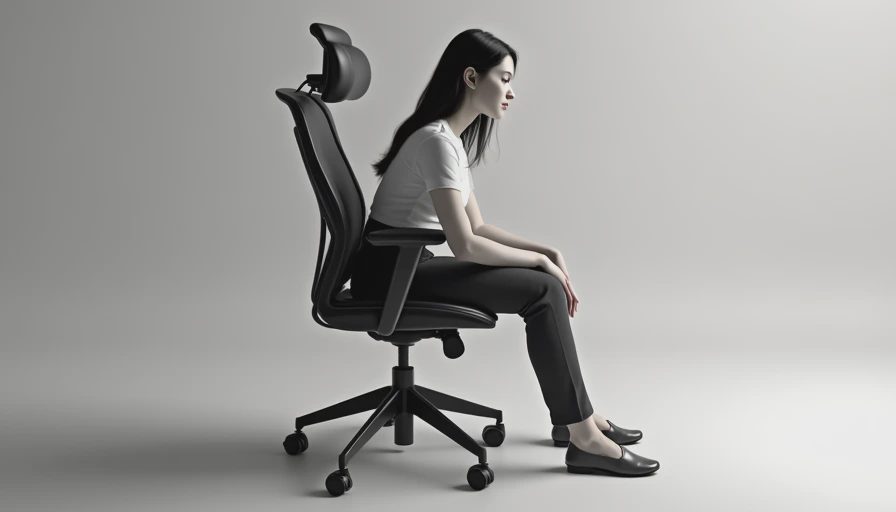
One reason I prefer the sayl chair to some heavily engineered competitors is that its controls are relatively understandable. You can change the seat height, tilt behavior, arm position, and recline resistance depending on the configuration. That gives you the useful adjustments without turning the first week into an equipment-calibration exercise.
Start with your feet flat on the floor and set the seat so your knees sit close to a right angle. Then bring the armrests up until your shoulders can relax while your hands reach the keyboard. The backrest should support you without forcing your chest forward. Finally, adjust recline resistance so leaning back takes some effort but does not feel like pushing against a locked door.
The arms are a deciding factor. If your desk is unusually high, fixed arms can become an annoyance. Adjustable arms cost more, but they also make it easier to match the chair to a standing desk or a compact workstation. For a minimalist desk, that flexibility can prevent you from buying a separate keyboard tray or changing the entire desk later.
How It Compares With Other Premium Chairs
The sayl chair sits in an interesting middle ground. The Herman Miller Aeron is more breathable and has a more technical, unmistakably office-oriented appearance. It also offers a highly developed support system, but its rigid frame and recognizable shape are not for everyone. The Steelcase Leap has a substantial back and excellent adjustment range, though it occupies more visual and physical space.
A used chair changes the calculation. Refurbished Aeron and Leap models often appear in the $500 to $900 range, depending on condition and configuration. A new sayl chair commonly lands around the mid-hundreds to roughly $1,000 or more once upgrades are added. Exact pricing changes, so compare the configured total rather than the attractive starting price.
I would choose the sayl chair for a smaller room, a home office visible from the living area, or a desk where design matters. I would choose an Aeron for maximum airflow and a Leap for a more enveloping, highly adjustable back. None of those choices is morally superior. They solve slightly different problems.
The Materials and the Visual Cost
The suspension back is the feature people notice first, and it is also the part that divides opinion. Some people like seeing the pattern and the wall behind it. Others find the translucent surface distracting or worry that it will look dated. In person, the chair has more presence than product photos suggest, but it does not dominate a room in the same way as a large leather executive chair.
The plastic shell and fabric seat are practical rather than luxurious. This is a tool for repetitive work, not a sculpture you happen to sit on. The back can collect dust in its openings, so a soft brush or vacuum attachment is useful. A five-minute cleaning routine is enough; you do not need special furniture products.
Herman Miller’s warranty and service reputation are part of the purchase, especially compared with a $200 chair that may develop loose arms or a flat cushion after a couple of years. Still, a warranty does not make an unsuitable fit suitable. Try the chair if possible, or buy from a seller with a sensible return policy.
Who Should Buy the Sayl Chair?
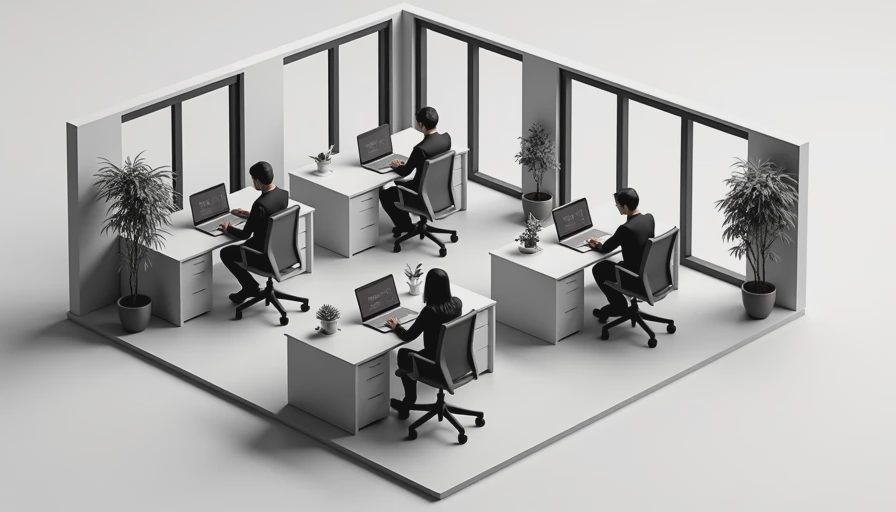
The sayl chair is a strong fit for a screen-heavy worker who shifts between focused typing, video calls, sketching, and reading. It works particularly well when the office is part of a bedroom or living room because its footprint and profile feel lighter than many ergonomic alternatives. The design also suits someone who wants an ergonomic chair without announcing that the room is now a corporate satellite office.
I would be cautious if you prefer a deeply cushioned seat, need a very tall back, or spend most of the day leaning forward without using back support. I would also avoid ordering the least adjustable configuration simply to hit a lower price. Saving $150 upfront is not meaningful if you spend the next year compensating with a footrest, cushion, or replacement armrests.
Before buying, measure your desk height, check the seat dimensions, and decide whether you need adjustable arms. Sit with your feet supported, type for at least ten minutes, and recline instead of judging the chair only in an upright pose. That quick test reveals more than a showroom glance.
My Verdict
Do you actually need the sayl chair? You need a chair that supports your work, not another status object for the desk. The sayl chair earns consideration because its design is not separate from its function: the flexible back encourages movement, the lighter frame suits smaller spaces, and the controls cover the adjustments most people actually use.
I would buy it for a calm home office where a conventional black task chair would feel too heavy. I would not buy it sight unseen when a used Aeron or Steelcase Leap is available at a similar price and fits your body better. The best chair is the one that disappears during a long afternoon, leaving your attention for the work instead of your lower back.
The one thing I would keep is the adjustable version with arms and a clear return option. That is enough configuration to make the chair useful without turning it into another object that demands research, accessories, and constant optimization. You need less than you think, but you do need somewhere decent to sit.